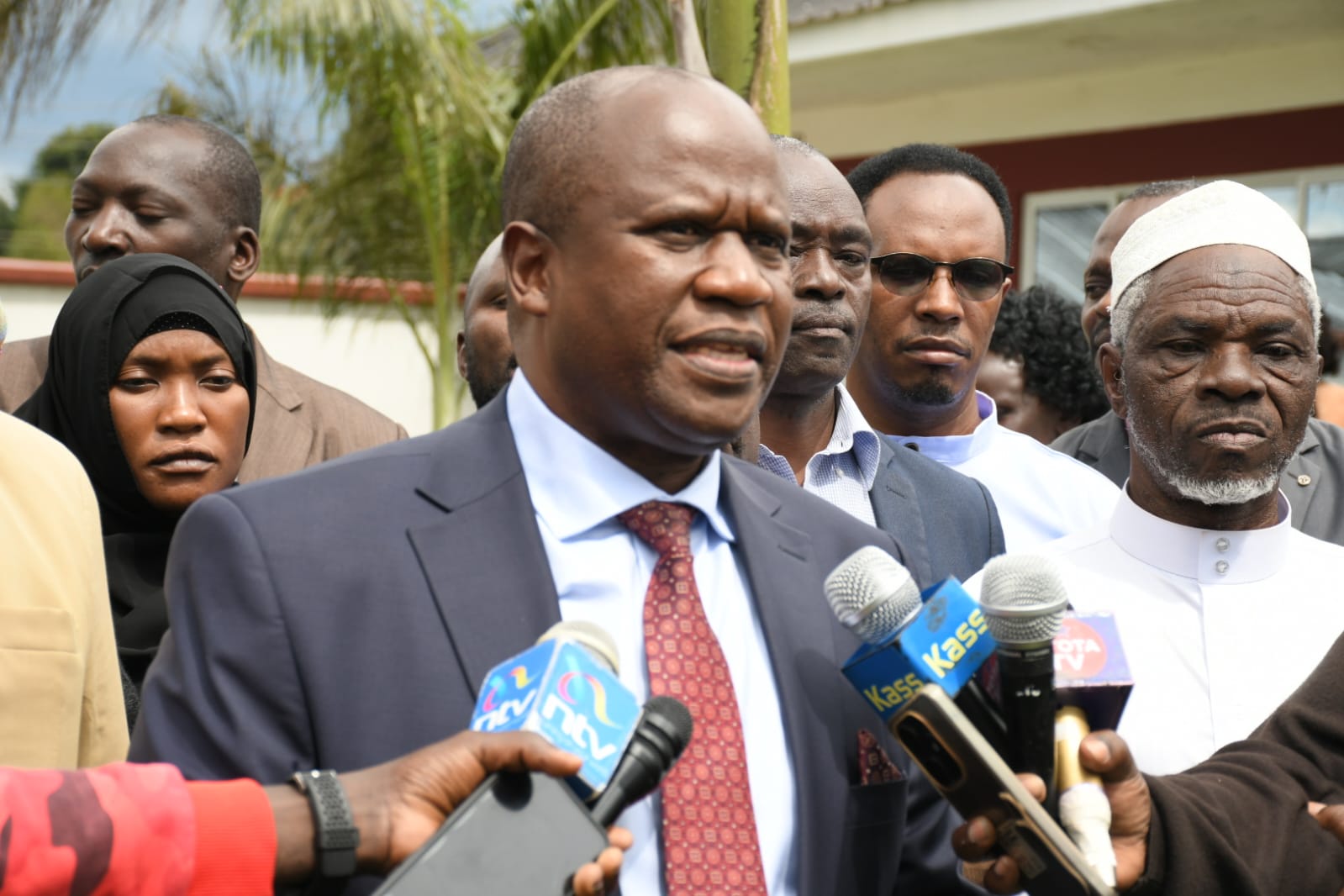
Sang said the reforms align with
President William Ruto’s vision of delivering universal healthcare, adding that
the county has undergone “unprecedented transformation” since 2017.
According to a county report, the
achievements stem from the governor’s guiding vision, “Transforming lives, one Milestone at a time,” which has delivered results across multiple
fronts.
One of the most notable advancements
is the operationalisation of the Mosoriot theatre in March, enabling 186 surgeries to be performed locally
— a major step in bringing specialised services closer to residents.
The county also launched blood transfusion services at Mosoriot,
ending emergency referrals and ensuring timely, lifesaving care.
Pharmaceutical efficiency has
markedly improved, with the prescription fill rate rising from 60 to 85 per cent across county facilities.
Maternal and child health — a key
pillar of Sang’s agenda — has recorded significant progress, with skilled
deliveries increasing from 36.9 to 65 per cent,
placing Nandi among Kenya’s top four safest counties for childbirth.
Sang attributed the gains to the construction and renovation of 16 maternity units, 28 laboratories, and the operationalisation of facilities such as Kibisem dispensary and Kiropket maternity.
The newly completed mother and baby hospital, now
awaiting equipment, is expected to further boost this progress.
In preventive healthcare,
immunisation coverage has increased from 58.2 to 72.2 per cent, while 73 per cent
of girls aged 10–14 years have received the HPV vaccine.
Cases of malnutrition have also
reduced, with the proportion of underweight children dropping from 3.3 to 1.9 per cent.
The county’s HIV response has
strengthened, with ART sites rising from 38 to 58 and 1,479 patients
currently receiving care.
The efforts have contributed to a
decline in HIV prevalence from 2.8 to
2 per cent.
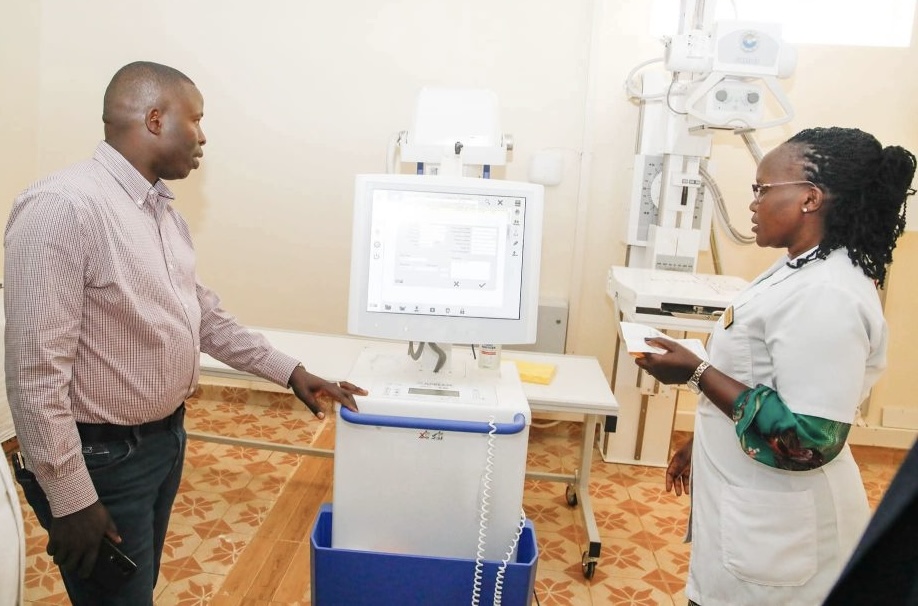
Diagnostic services have undergone
major upgrades, including the installation of advanced equipment in six
facilities and deployment of AI-enabled
X-ray machines in Kaptumo and Meteitei.
This technological shift has
improved disease detection, with TB case identification rising from 27 to 40 per cent.
Community health remains central to
the county’s strategy, with 1,520
Community Health Promoters actively using eCHIS and facilitating
referrals for 8,730 chronic patients.
Nandi has also registered 508,188 residents — 57 per cent of its
population — under the Social Health Authority, ranking 12th nationally.
Infrastructure expansion continues
to shape the sector, with the number of health facilities increasing from 120 to 155.
Digitisation is nearly complete,
with the Tiberbu HMIS rolled out in 98.7 per cent
of facilities, streamlining operations and contributing to higher revenue
collection.
Health revenue rose from Sh225 million in 2023-24 to Sh313 million in 2024-25, with a
projected Sh450 million for
2025-26.
Governor Sang said he aims to
complete most of the county’s major health projects in the next year as he
prepares to conclude his tenure.
Nandi’s latest scorecard positions Governor Stephen Sang as leaning heavily on health-sector gains to define his legacy ahead of his exit. The administration showcases measurable improvements — more surgeries done locally, stronger maternal outcomes, upgraded diagnostics and higher immunisation rates — signalling deliberate investment in both infrastructure and frontline systems. The sharp rise in revenue and near-full digitisation underline improved management, not just expansion. However, the analysis also hints at political timing: releasing a comprehensive progress report as he enters his final year helps frame his tenure positively while insulating his administration from criticism. The achievements are notable, but the narrative is clearly legacy-driven.








![[PHOTOS] Ruto pushes for stronger Kenya-EU economic ties in Brussels](https://cdn.radioafrica.digital/image/2026/06/3aebc395-285b-441c-8aa4-33cb538f8d44.jpg)