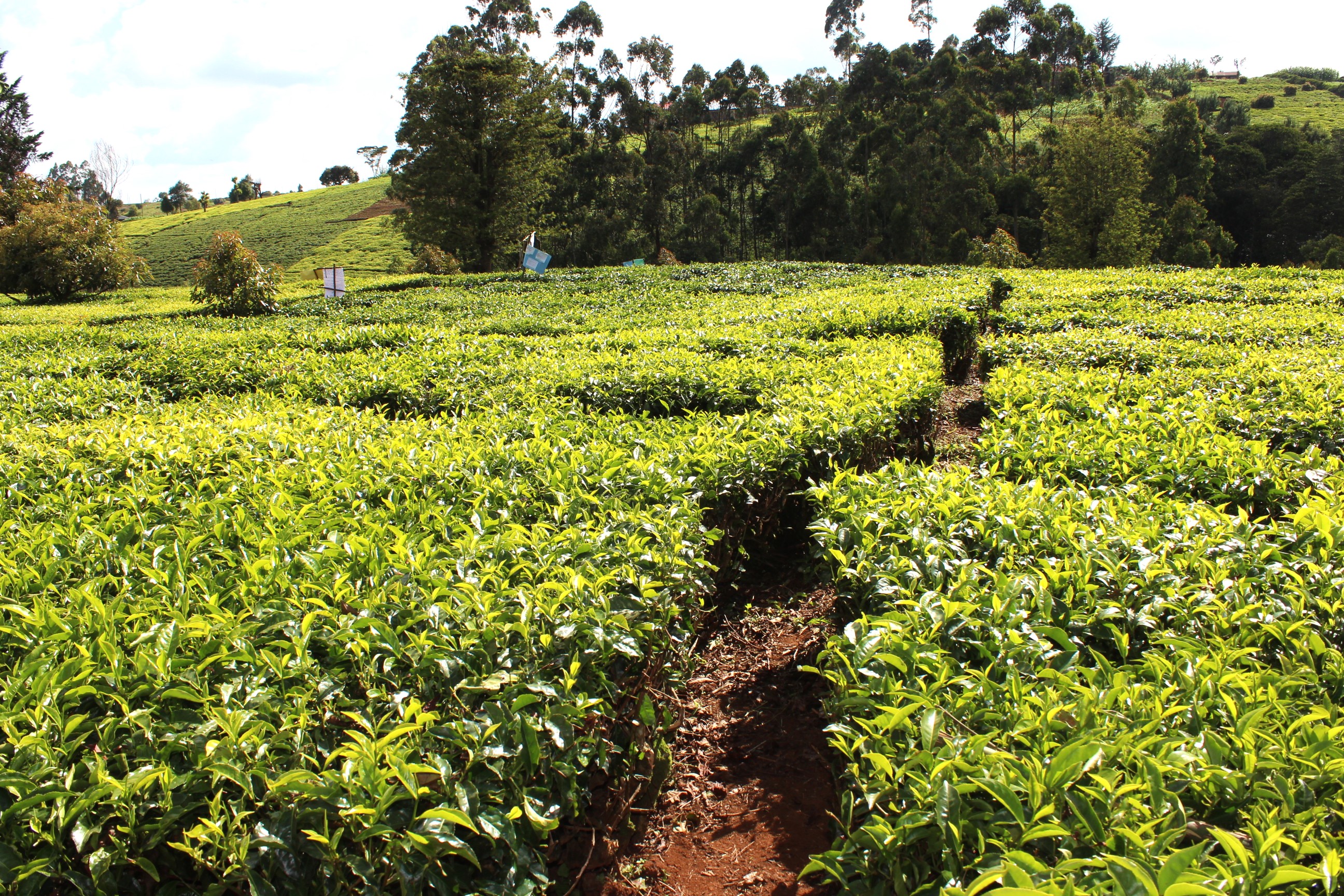
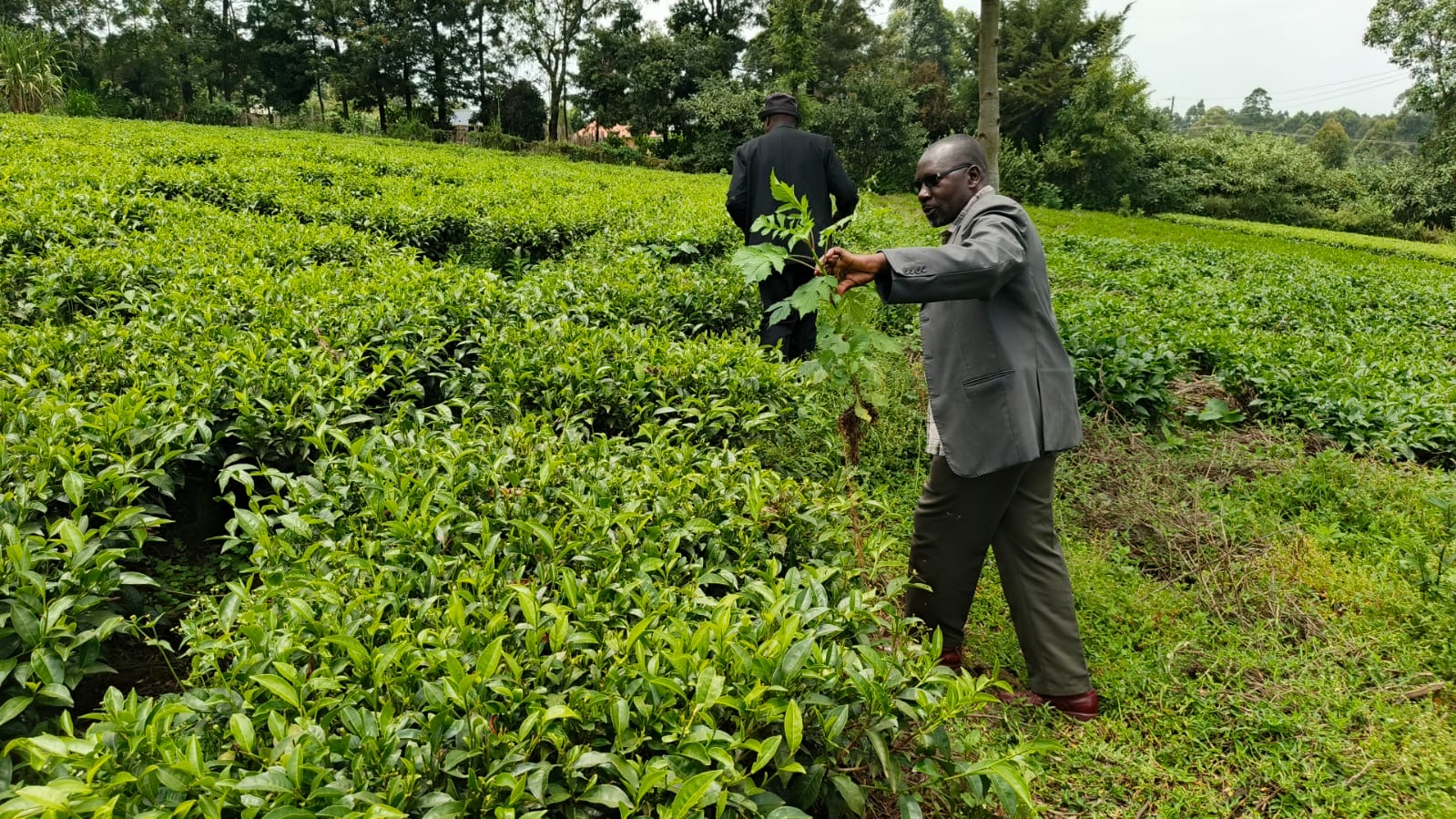
 A tea farm in Bomet County/FILE
Tea farmers in Bomet county have been handed a dose of optimism after Kenya Tea Development Agency directors assured them that next year’s bonuses will be higher, buoyed by fresh reforms and a sweeping audit across factories in the region.
At the Mogogosiek Tea Factory in Konoin subcounty, where shareholders gathered for their annual general meeting, the
tone was markedly more hopeful than in recent months.
Chairman Mosonik Menjo did not shy away from acknowledging the difficulties
farmers endured this year — from depressed bonus payments to sluggish tea sales
that left large volumes of the produce unsold.
“This year, we had problems with tea selling,
and the bonus prices were low. But we are looking outside Kenya for partners
who can buy the tea that has not been sold,” Menjo told farmers, noting that
KTDA had already embarked on widening its international market reach.
The audit, which exposed sections
within factories that were consuming disproportionate amounts of money, has
since prompted a tightening of operations. Menjo said the gaps flagged have now
been sealed, giving room for better efficiency and, ultimately, better
earnings.
“With the improvements underway, we
are confident the next bonus will be better from the new year. Our farmers
come first as per the KTDA matrix. We want them to get full value for their
money,” he said.
But even as he painted a brighter
future, Menjo addressed a long-standing concern among farmers — the stark
difference in bonuses paid to factories in the east versus those in the west of
the Rift Valley.
Eastern factories consistently post
higher earnings due to year-round high-quality leaf. In contrast, western
factories struggle with fluctuating quality, a factor that directly impacts
auction prices.
“Here in the west, quality has not
been consistent. Sometimes we pluck good quality, sometimes it drops. That
affects prices,” Menjo said.
He added that when western factories
face rejection in the market, some farmers divert their green leaf to private
processors, a practice he warned undermines KTDA’s performance.
Despite the challenges, farmers at
the AGM said the assurance of better days ahead had eased some of the anxiety
that has hovered over the sector.
John Ruto, one of the farmers in
attendance, said they were optimistic — provided that growers play their part
in maintaining strict quality standards.
Ruto accused the Tea Board of Kenya
of contributing to the industry’s woes by licensing private factories without
enforcing stringent compliance measures.
This, he said, had created room for
shortcuts that compromise overall earnings.
Another farmer, Elijah Langat, said
the pledge of improved bonuses was welcome news in a year where some growers
received as little as Sh12 per kilo.
“We are happy because KTDA has
assured us of good prices next year. We must keep our quality high because this
year some of us were paid as little as Sh12 per kilo,” he said.
With renewed talk of market
expansion, stronger factory management and a renewed focus on quality, hope is
slowly returning across the Mogogosiek tea belt — a region that now looks
toward the coming year with expectations of a much-needed turnaround.