Private seed companies have called on African governments to put stringent measures in fighting the widespread sale of fake seeds in the market.
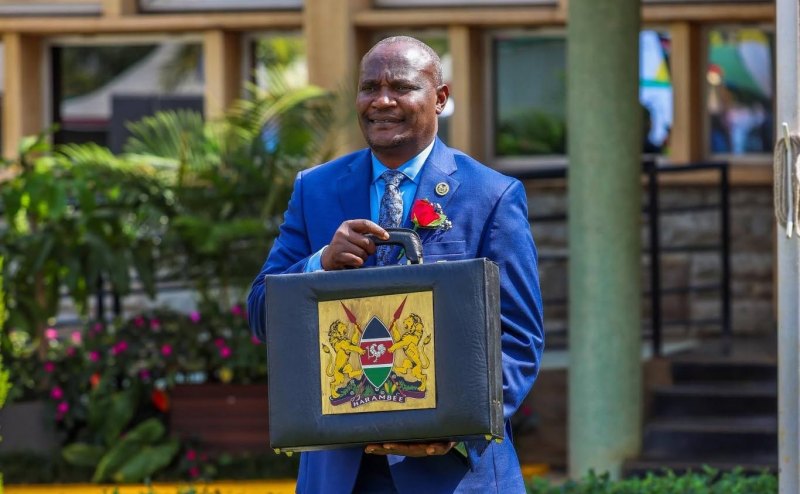
Agriculture CS Mithika Linturi warned seed manufacturers against engaging in the sale and distribution of fake or substandard seeds that will undermine food production.
He said the government is keen on ensuring farmers access the quality seeds.
The CS spoke on Wednesday during the closing ceremony of the 24th African Seed Trade Congress in Mombasa.
Linturi called on the African Seed Trade Association to come up with new measures to boost food production and food safety in the Continent.
He added that agriculture has been greatly affected by climate change, and there is a need to leverage on science and be able to provide farmers with seeds that can withstand the effects of climate change.
“Climate change and its unpredictability has been a challenge to farmers. Time has come to invest in the development of seed varieties that are drought resistant, able to withstand pests and diseases and are high yielding,” the CS said.
He said the use of drought tolerant maize varieties and early maturing crops has come to fill the gap, but there is a need to harness the potential of irrigation.
"Irrigation and development of water dams enables the cultivation of crops all year round. This ensures the availability of food within households all the year round. This will be a direct contribution towards food and nutrition security,” Linturi said.
The seed companies also called for harmonised seed regulations as well as ensuring the AfCFTA comes into operation to help enhance seed movements.
The African Continental Free Trade Area is an instrument signed by all African countries for free movement of goods. However, implementation has been a challenge.
The CS said there has been a drive to harmonise phytosanitary measures for seed in order to facilitate the safe movement in Africa, in a transparent manner and without dissemination of any pest.
He said seed certification, variety testing and release regulations have tended to restrict seed trade within African countries.
Harmonisation of the regional trade blocs seed regulations was completed through a consultative process with stakeholders in the seed industry in Kenya.
The Ministry of Agriculture and Seed Trade Association of Kenya have partnered in the sensitisation of stakeholders on the harmonised seed regulations, standards and procedures in regional trade blocs.
He said the process is on-going and it is important that all stakeholders in the industry are conversant with the harmonised regulations to enhance seed trade within the COMESA, EAC and regional trade blocs.
Linturi said seed companies should take advantage of the harmonised seed regulations to widen and promote competitive and sustainable markets for crop seeds within their regions.
“We hope that one day, Africa will have a single harmonised regulation to ease seed movement in the Continent,” the CS said.
Dr Kulani Machaba, President African Seed Trade Association said challenges of cross border trade by seed companies have been an ongoing concern for a long time.
This is despite the trajectory growth of the African seed market, which currently stands at Sh445.2 billion ($3.12 billion).
Machaba said the estimated growth by 2023 is projected to be approximately Sh600 billion ($4.2 billion).
“However, there is a need to open up markets and improve intra Africa trade. We also need to manage the movement of the seed to be much smoother than it is today,” he said.
The next congress will be held in Kigali, Rwanda in March 2025.