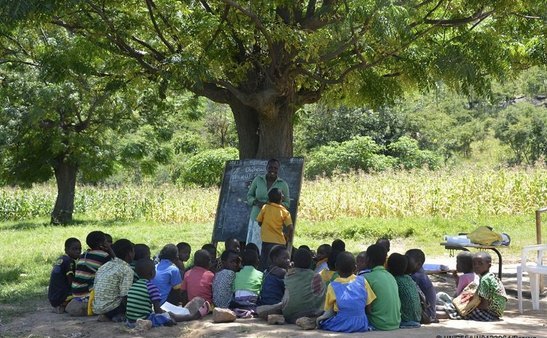
 Pupils learning under a tree/UNICEF
A six-day charity trek across the Rift Valley aims to shine a spotlight on children who still struggle to access education despite schooling being compulsory in Kenya.
The 220-kilometre trek, organised by Home Care International, will run from July 14 to 19, taking participants from Nakuru to the organisation’s camp in Ngoswani Mara.
Home Care International founder James Karanja said the initiative seeks to raise awareness of the educational challenges facing vulnerable children while mobilising support for projects that improve learning opportunities.
“Education opens doors and transforms lives. With every step, we want to encourage people to take responsibility and invest together in the future of children,” Karanja said.
Operating under the theme, “Every Step for a Better Tomorrow”, the trek combines physical endurance with advocacy for equal access to education.
Home Care International supports children and families facing difficult circumstances through educational programmes, social initiatives and partnerships aimed at creating better opportunities for young people.
Karanja said education remains one of the most effective tools for fighting poverty and promoting sustainable development.
He said although Kenya has made progress in expanding access to education, many children remain out of school, attend poorly resourced institutions or drop out before completing their studies.
“We believe every child has the right to quality education, regardless of where they are born, their family income, gender, disability or social background,” Karanja said.
“This trek is a call for collective action to ensure no child is left behind.”
Along the route, participants will pass through communities across the Rift Valley and interact with schools, residents and supporters.
The journey will also highlight the challenges many families face in securing education for their children.
Karanja urged the government to strengthen enforcement of compulsory basic education and identify children who remain out of school.
He also urged authorities to address hidden costs that continue to lock poor families out of education and ensure all learners complete primary and secondary school.
Other priorities include increased funding for public schools, recruitment of more teachers and improved support for schools in remote and marginalised areas.
Karanja further called for expanded inclusive education programmes for children with disabilities, orphans, refugees and learners from disadvantaged backgrounds.
He said poverty, child labour, early marriage and teenage pregnancy continue to push many children out of school, underscoring the need for stronger school retention programmes, expanded school feeding initiatives and greater protection for vulnerable learners.
“Without education, many children face limited opportunities in life. We all have a role to play in changing that,” he said.
Instant analysis
The trek highlights a growing concern that increased education funding alone does not guarantee equal access to learning. While the government continues to invest heavily in the sector, many children still face barriers linked to poverty, disability, distance and inadequate school infrastructure. By combining advocacy with community engagement, the initiative seeks to draw attention to gaps that persist despite free and compulsory education policies. The campaign also reflects a broader shift towards citizen-led efforts that complement government programmes. Its success will depend on whether it inspires meaningful policy action and sustained support for vulnerable learners.
![[PHOTOS] Raila Odinga Stadium construction enters home stretch](https://cdn.radioafrica.digital/image/2026/06/45f6990c-4882-4cd2-b83c-8fc730dcdce5.jpg)