

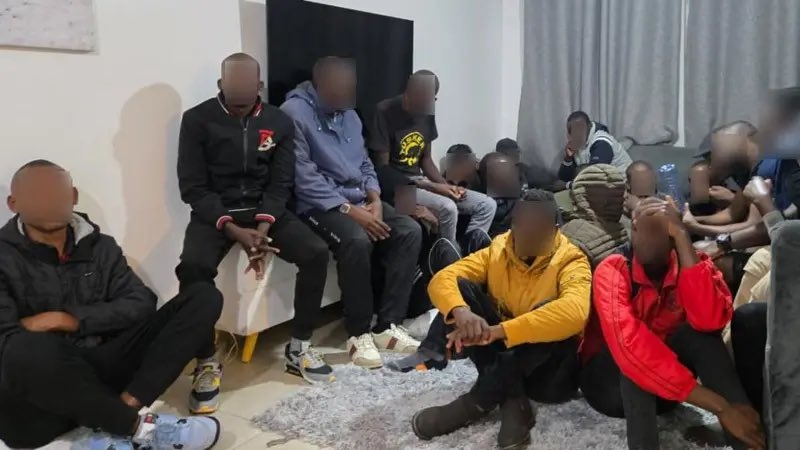
The Salvation Army has sounded an
alarm over growing human trafficking threats along Kenya’s western entry points
that have left border communities increasingly exposed.
A new assessment from the Church’s
Oyana Anti-Human Trafficking Project Phase 2 says areas such as Busia, Malaba,
Isebania and Kehancha remain major hotspots.
The report attributed the threats
to poverty, unemployment and weakening social support systems.
The findings were shared during a
workshop held in Kisumu, bringing together project staff, Salvation Army
leaders and partners to review progress and map out future interventions.
Evaluation
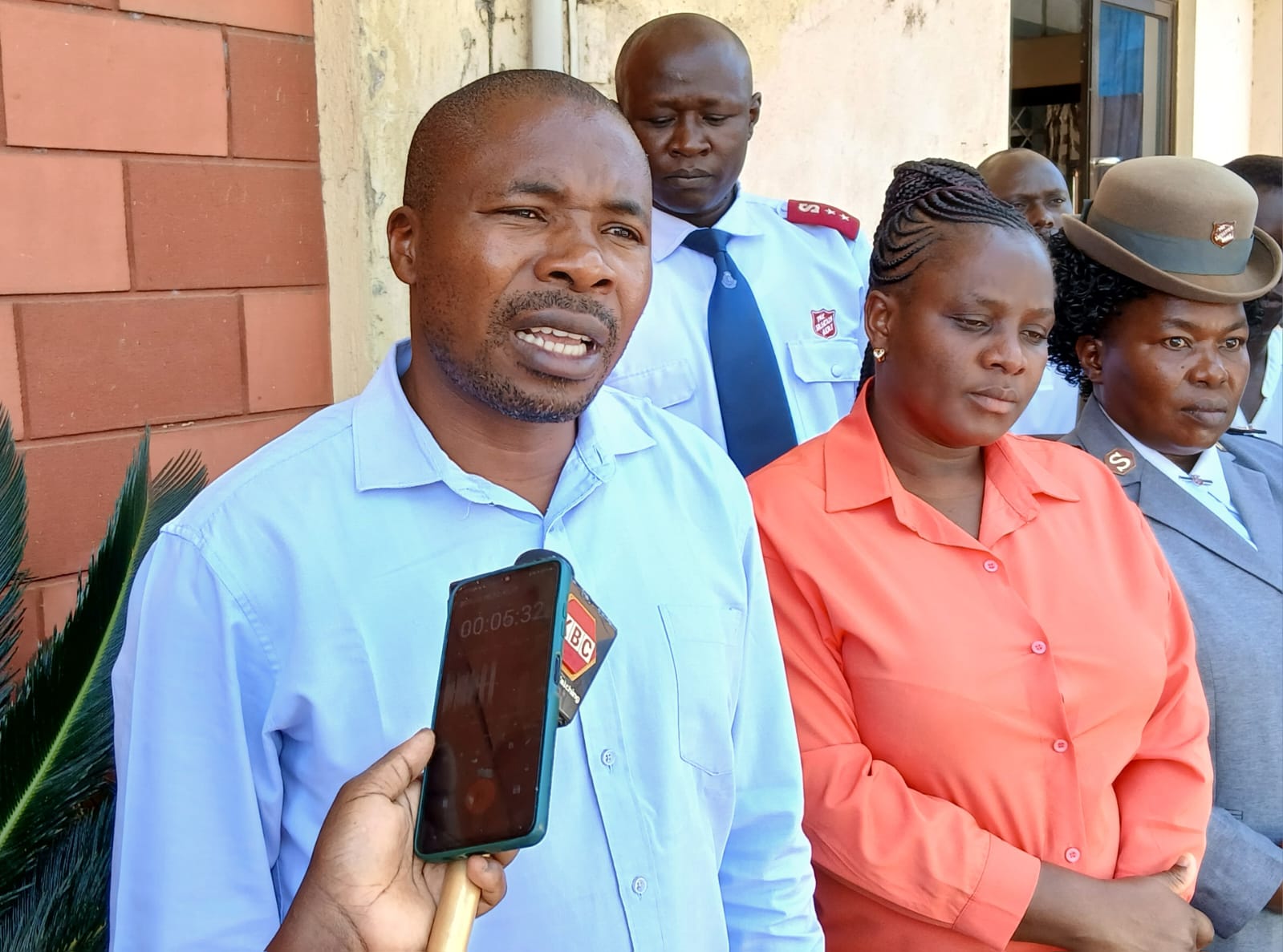
consultant Jackson Ongoma described the situation in Isebania as troubling.
He
highlighted a surge in cases involving missing children, sexual exploitation
and minors being transported across the Kenya-Tanzania border under misleading
promises.
Ongoma
said youth unemployment is driving many young people towards traffickers, who
lure them with false promises of employment abroad.
Many
victims return home traumatised, unwell or trapped in debt as families struggle
to cover repatriation costs.
He
said domestic violence is also forcing children out of unstable homes, making
them easy targets for exploitation.
Despite
the challenges, Ongoma said communities are more informed than before, with more
than 70 per cent of residents now able to identify trafficking indicators and
use formal reporting systems.
He
also emphasised a shift in public understanding, saying more people now
recognise that trafficking is not limited to cross-border movement but also
includes internal abuses such as sexual exploitation, manipulation and forced
labour within households.
The
report shows strengthened community resilience through Village Savings and Loan
Associations (VSLAs), with some groups saving up to Sh200,000 to support school
fees, small businesses and farm activities.
Income-generating
initiatives like poultry farming, introduced under the project, have also
helped stabilise vulnerable households.
Project
manager Karen Mwenesi said the findings reflect on what the Salvation Army has
witnessed while working across western Kenya’s border communities.
She
said project has invested in intensive training sessions, equipping residents
with knowledge on modern forms of slavery, reporting mechanisms and the early
signs of trafficking.
Significant
work has been conducted in Busia, Malaba, Bungoma, Eldoret, Sondu, Migori and
Kehancha.
These areas are regarded as major
transit corridors used by travellers from the Democratic Republic of Congo and
Rwanda.
“Busia
and Malaba are critical entry. Many travellers first settle in Bungoma and
Eldoret, while others proceed to Kisumu. That is why Sondu was incorporated
into the project,” Mwenesi said.
She
said local volunteers stationed within border communities have played an
essential role in running sensitisation campaigns, ensuring even remote
villages receive information about trafficking risks.
According
to Mwenesi, prevention remains a central focus of the programme.
The
project team works closely with survivors, families at risk and households
affected by trafficking.
Survivors
receive counselling, guidance and support as they rebuild their lives, while
vulnerable families are trained on how to safeguard themselves from
exploitation.
The
church has also been collaborating with the Directorate of Children Services,
the police, judiciary officials, NGOs and community leaders to strengthen
referrals, repatriation and reintegration processes.
Partners at the workshop developed long-term strategies aimed at sustaining and expanding anti-trafficking initiatives across western Kenya’s border regions.




.jpg&w=3840&q=100)