Drugs, alcohol swell pregancies and HIV in Kisumu amid poor healthcare
Alcohol, cigarettes and bhang are sold openly with the young and old alike partaking of the drugs.
by The Star
Audio By Vocalize
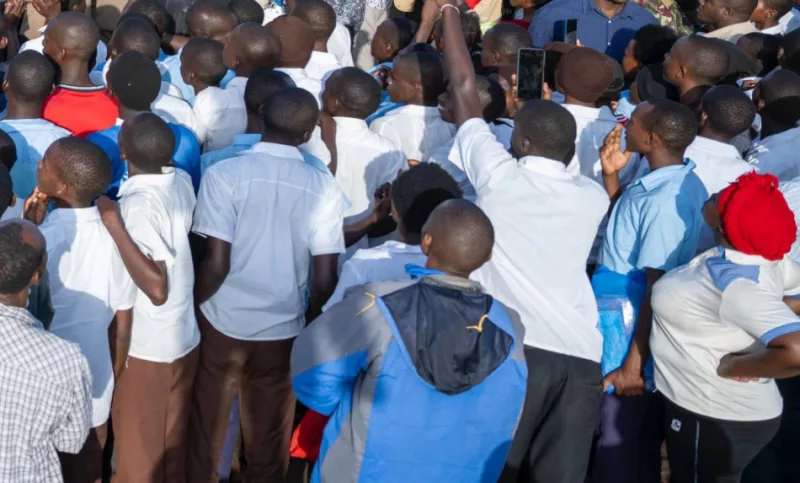
It is 7pm and revellers are streaming into a roadside party at Kilo area in the sprawling Nyalenda slums of Kisumu City.
Popularly known as disco matanga, the booming music tearing through the informal settlement keeps attracting more people, among them teenagers.
Alcohol, cigarettes and bhang are sold openly with the young and old alike partaking of the drugs as part of mourning the departed member of the community.
With a population of about 200,000 people, cases of sexual and gender based violence, teenage pregnancies and HIV Aids have skyrocketed in the area owing to the rampant drug abuse and endless disco matanga.
Beatrice Anyango* (not her real name), 17, dropped out of a local school while in Form 2 after getting pregnant.
Anyango recalls what happened to her last year, saying she has kept it a secret until now. We met on Tuesday evening within Kisumu.
“It was on Friday and a friend asked me to escort her to a funeral in the neighbouring plot because we could not sleep due to the loud music that was playing,” she says.
While at the ‘disco matanga’, Anyango bowed to pressure and tasted alcohol, which her friends friends were enjoying.
“That is all I can remember. I woke up in a house at Polyview estate in the company of other boys and girls who told me that I had now come of age and was no longer a girl,” she adds.
It is at this point that it dawned on her that she had been sexually molested. What followed was a long journey that has brought pain to her life.
“I went back home and since I was afraid to share with anyone including my aunty whom I was staying with, I decided to visit a health facility for advice and medications."
At the facility, Anyango ran into problems as the nurses asked her lots of embarrassing personal questions she could not answer.
She could not explain how she ended up in a house with unknown people.
"I felt uncomfortable because some were coming in and out of the room even as I could hear others whisper along the corridor. I immediately left to my home because I feared someone could see me or get to hear what had happened to me."
She added: "There is no confidentiality in some of these facilities. One way or another it gets back to you, more so when you reside near them. Some of the people working there are known to you."
Two months, later she discovered she was pregnant. She could not handle the stigma at school and dropped out.
Anyango’s story captures the challenges teenagers go through while seeking reproductive health services within Kisumu county.
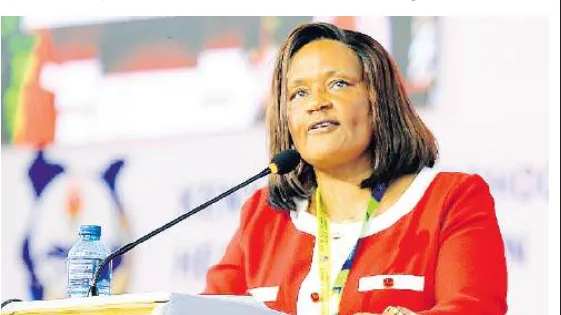
According to Network for Adolescents and Youth of Africa, South Western Region monitoring and evaluation officer Faith Abala, access to sexual reproductive health among adolescents in the area remains a big challenge.
Most of the health facilities, she says, lack safe spaces for adolescents, with members of staff unqualified to handle issues of the youth.
She said they end up harassing them or poking fingers in the circumstances that took the young ones to hospital, making it difficult for them to go back for the services.
“The services available are not youth friendly. The situation is worse in facilities located in informal settlements where those seeking services don’t get them or are harassed and victimised,” she said.
In some instances, they are given wrong medication further complicating their condition.
Workers assigned to handle the SRH in the area, Abala said, have not been trained on how to deal with the youths, locking thousands of them from the essential services.
Most of the health facilities have lumped the services together with comprehensive care for HIV further, keeping off a large number of the youths.
“Because of the stigma associated with HIV most of the adolescents who need sexual reproductive health services keep off from these facilities,” she said.
This has contributed to the high prevalence of HIV and STDs among adolescents in the area since they lack access to quality reproductive health services.
On contraceptives, the adolescents have no access to counselling and guidance on the right plan with the majority opting for implants and condoms, which in most cases are not available at the clinics.
NAYA has rolled out the Safe Inclusive Cities Project through which it targets to scale up absorption of sexual reproductive health services amongst adolescents in the area.
The programme is being funded by Plan International and implemented by NAYA and other partners.
Through the programme, 50 youth advocates have been trained in Kondele Nyalenda A and B wards to spearhead the initiative.
“We aim to use these advocates as voices to create awareness and push for sexual reproductive health access at their levels,” Abala said.
Besides the advocacy, NAYA she adds has engaged the county government to push for scaling up of SRH services across all public health facilities in the area.
Through the engagement, NAYA is interrogating the County Integrated Development Plan and the budget to push for allocation of funds to scale up SRH.
Other engagements with the police and community policing members are on course to ensure that adolescents in the informal settlements and Kisumu as a whole are protected.
Barbara Chwanya, one of the trained youth advocates, called for attitude change amongst health workers handling adolescents and the youth to ensure that as many of them as possible turn up for sexual reproductive health services.
“Most of the health workers have a negative attitude towards teenage mothers and people living with disabilities making it difficult for them to visit the facilities,” she said.
Access to contraceptives for adolescents, Chawanya added, remained a big challenge with those widely used constantly out of stock.
“Most of the adolescents prefer condoms and implants and whenever they visit these clinics and facilities they find they are out of stock,” she said.
Chwanya called for sensitisation on the other available contraceptives to ensure wide coverage amongst adolescents to address the menace of teenage pregnancies.
Her sentiments were echoed by Linda Adhiambo, also a youth advocate, who emphasised the need for counselling and guidance to ensure that adolescents seeking SRH services get the right contraceptives and medicine.
“I visited a facility and requested for non-hormonal contraception but the officer in charge insisted on giving me an implant. I walked out,” she said.
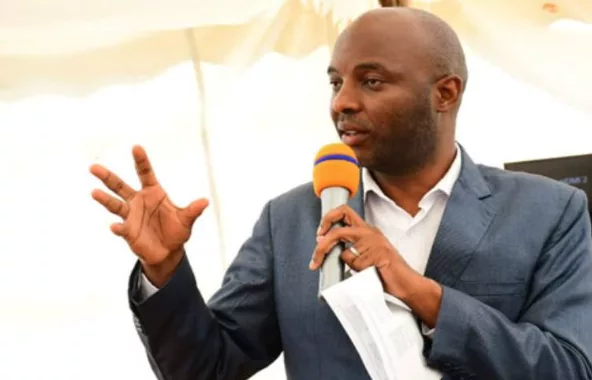
Kisumu Central subcounty reproductive health coordinator Anastancia Odhiambo admits gaps in SRH in the area.
She blames this on a shortage of staff to specifically handle SRH for adolescents and youths.
Most of the services, she says, are offered at the comprehensive care clinic locking out most of the youth who fear being victimised.
The youth, she said, have poor health seeking behaviour with the few who end up at the health facilities fearing to open up, making it difficult to procure the right services.
“They shy away from divulging information to health workers just because they probably know someone at the facility and they fear that the information could leak,” she said.
Others prefer procuring drugs over the counter to avoid being questioned at health facilities, resulting in complications.Due to peer pressure, adolescents tend to look for condoms and implants leaving out a ray of other services that can be of benefit to them.
“In some cases, staff at the clinics are judgemental and therefore end up not giving proper guidance to enable them make the right decisions,” Odhiambo added.
The county government has put measures in place to scale up the services, which are currently being offered at Kisumu County Referral Hospital and Jaramogi Oginga Odinga Teaching and Referral hospital in the subcounty.
According to Sarah Karani from Plan International, their Safe and Inclusive Cities project is funded by Danida starting 2018 .
This is the second phase of its implementation in Nairobi and Kisumu's informal settlements. She said the project focuses on adolescent and youths aged between 14 and 25 as the key category of beneficiaries.
The project also seeks to ensure adolescents and young people grow in safe and secure diligent communities that respect their rights and equal opportunities regardless of their gender.
NAYA was identified as a thematic lead on safety and well being, with a focus on SHR and SGBV to create awareness and lead on advocacy strategy with various stakeholders.
The other implementing partners in Kisumu include Transform for Empowerment Action Initiative (TEAM), Talanta Africa , United Destiny shapers, and Horn of Africa Youth Networks.
This is premium content
Subscribe to Continue Reading
Help us continue bringing you unbiased news, in-depth investigations, and diverse perspectives. Your subscription keeps our mission alive and empowers us to provide high-quality, trustworthy journalism. Join us today to make a difference!