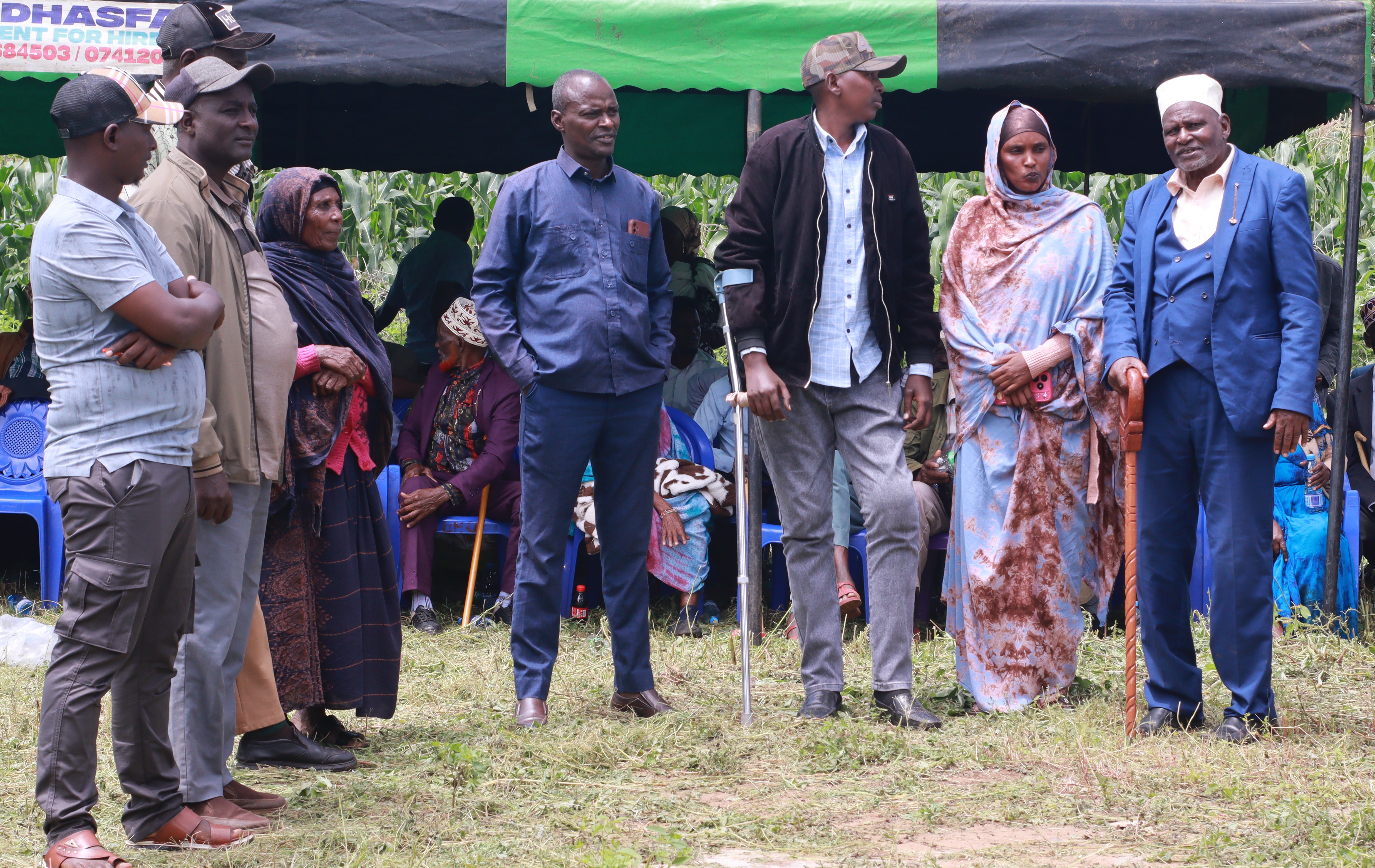
 Community Land Management Committee members stand for
approval by the public in Urana and Dambalafachana areas during a land
registration process./STEPHEN ASTARIKO
Community Land Management Committee members stand for
approval by the public in Urana and Dambalafachana areas during a land
registration process./STEPHEN ASTARIKO
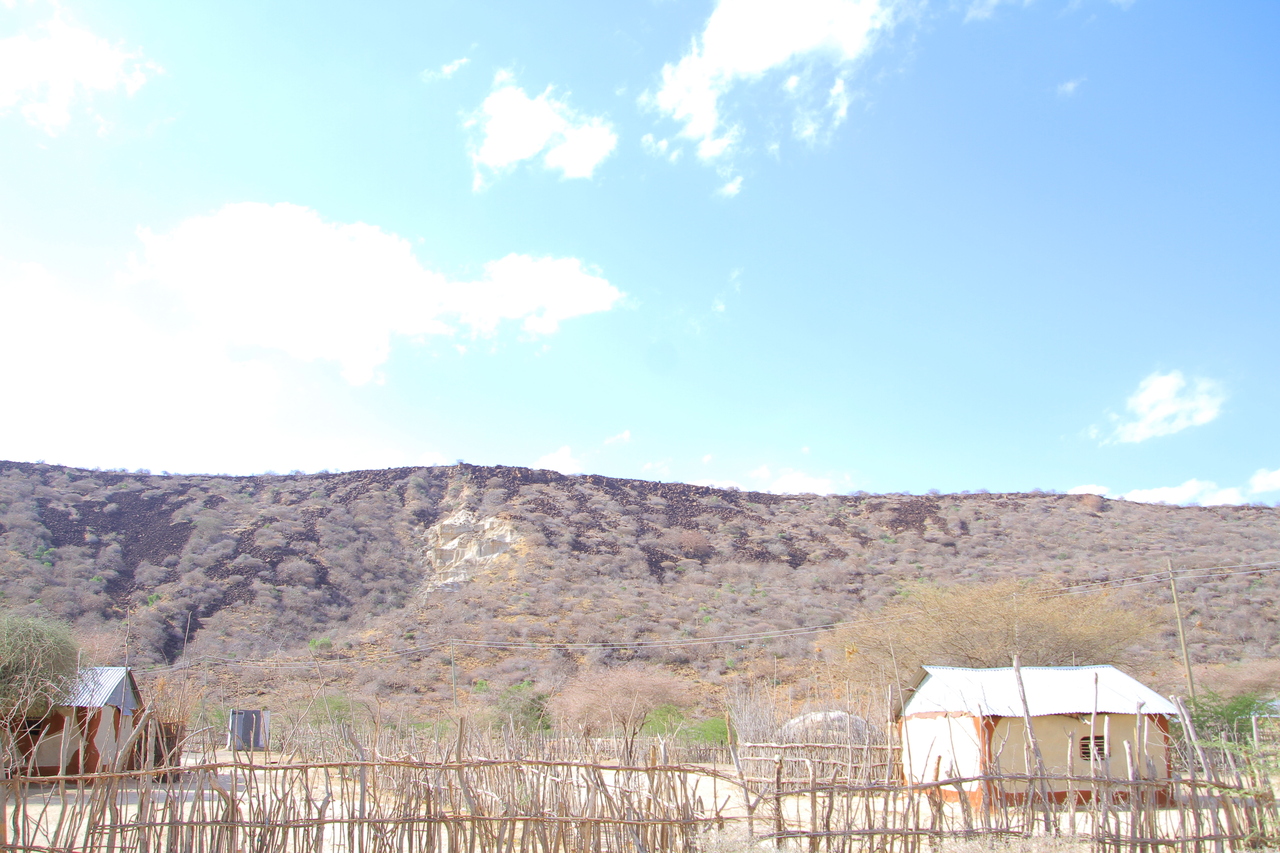
For generations, vast stretches of community land in Marsabit county belonged to everyone, yet legally, no one owned them.
Across the arid plains of northern Kenya, pastoralist communities grazed livestock on ancestral land guided largely by tradition, oral agreements and communal understanding.
But without formal registration and recognised governance structures, communities often found themselves vulnerable to land disputes, exclusion from major decisions, and uncertainty over ownership and resource rights.
Now, a
quiet but potentially transformative revolution is unfolding in Marsabit.
For the
first time, residents of Uran, Sololo and Turbi wards are electing community land management committee members and formally registering their communal land under
the Community Land Act.
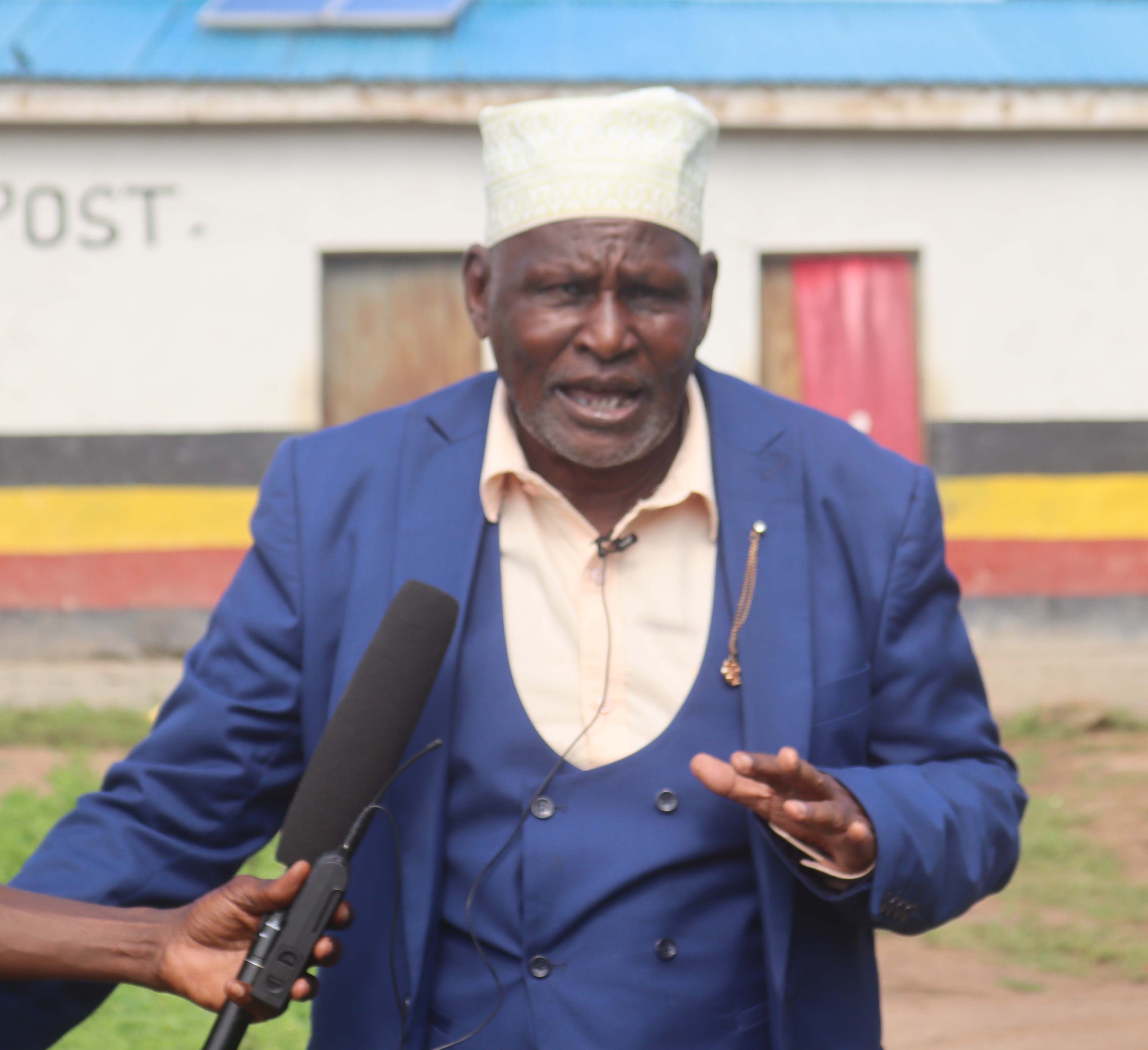 Mzee Iya Guyo,70, who explained that he has never witnessed
formal land registration in the area for over seven decades. /STEPHEN ASTARIKO
Mzee Iya Guyo,70, who explained that he has never witnessed
formal land registration in the area for over seven decades. /STEPHEN ASTARIKOTo residents, the process represents far more than paperwork.
It is
about identity, inclusion, dignity and power, the power to protect ancestral
land, negotiate development on fair terms and finally have a say in decisions
affecting their future.
Under
tents pitched in dusty trading centres and village grounds this week, elderly
men, women, youth and persons living with disabilities gathered to participate
in elections many described as historic.
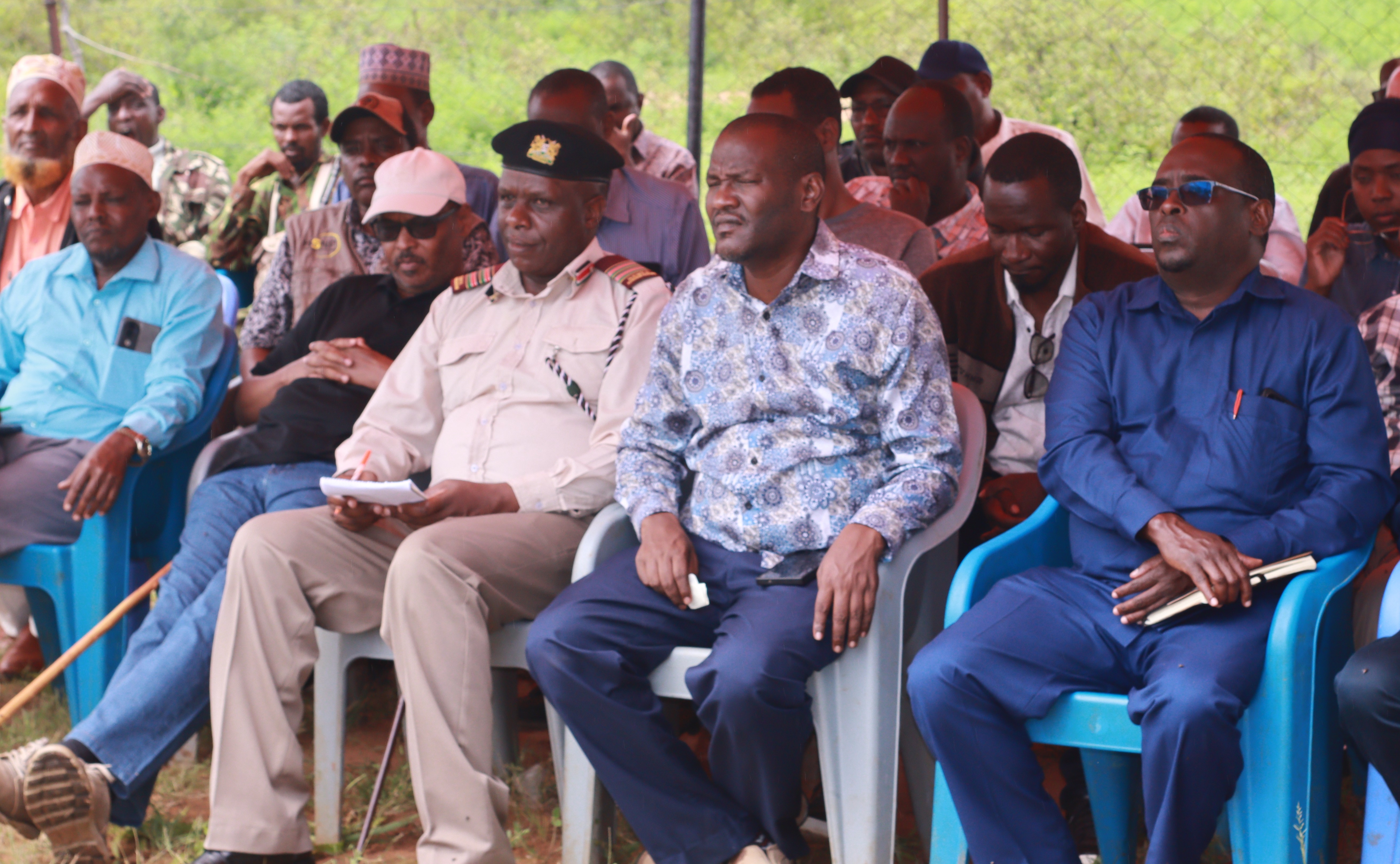 Leaders and community land management committee members during a land
registration process/STEPHEN ASTARIKO
Leaders and community land management committee members during a land
registration process/STEPHEN ASTARIKO“In my
entire life, this is the first time I am witnessing our community putting its
land on record,” he said quietly after participating in the exercise.
Guyo said for years, conflicts over pasture and boundaries have divided communities
because there were no clear structures adding that formal registration
will help reduce the disputes.
For
decades, pastoralist communities across Northern Kenya have relied on communal
grazing systems that allowed seasonal migration in search of water and pasture.
While the
system sustained livelihoods for generations, the absence of formal ownership
structures often complicated efforts to resolve conflicts or engage with
external investors seeking land for development projects.
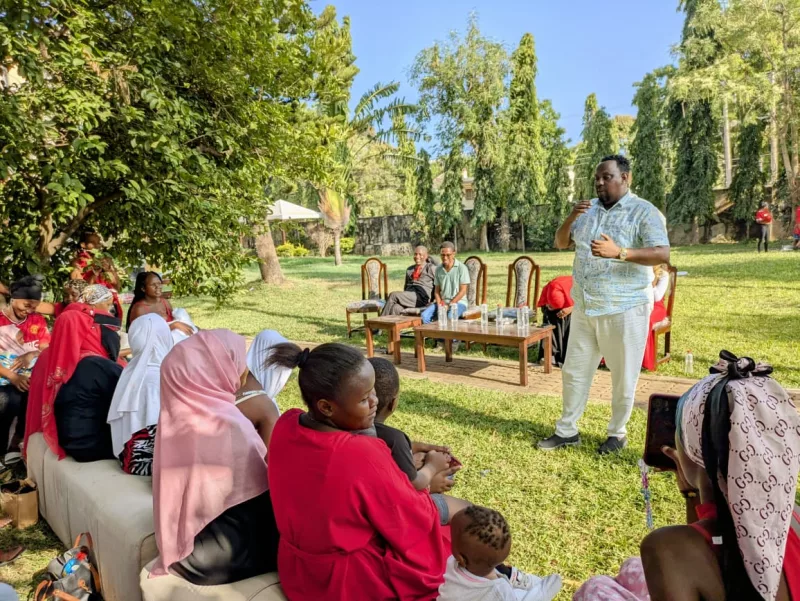
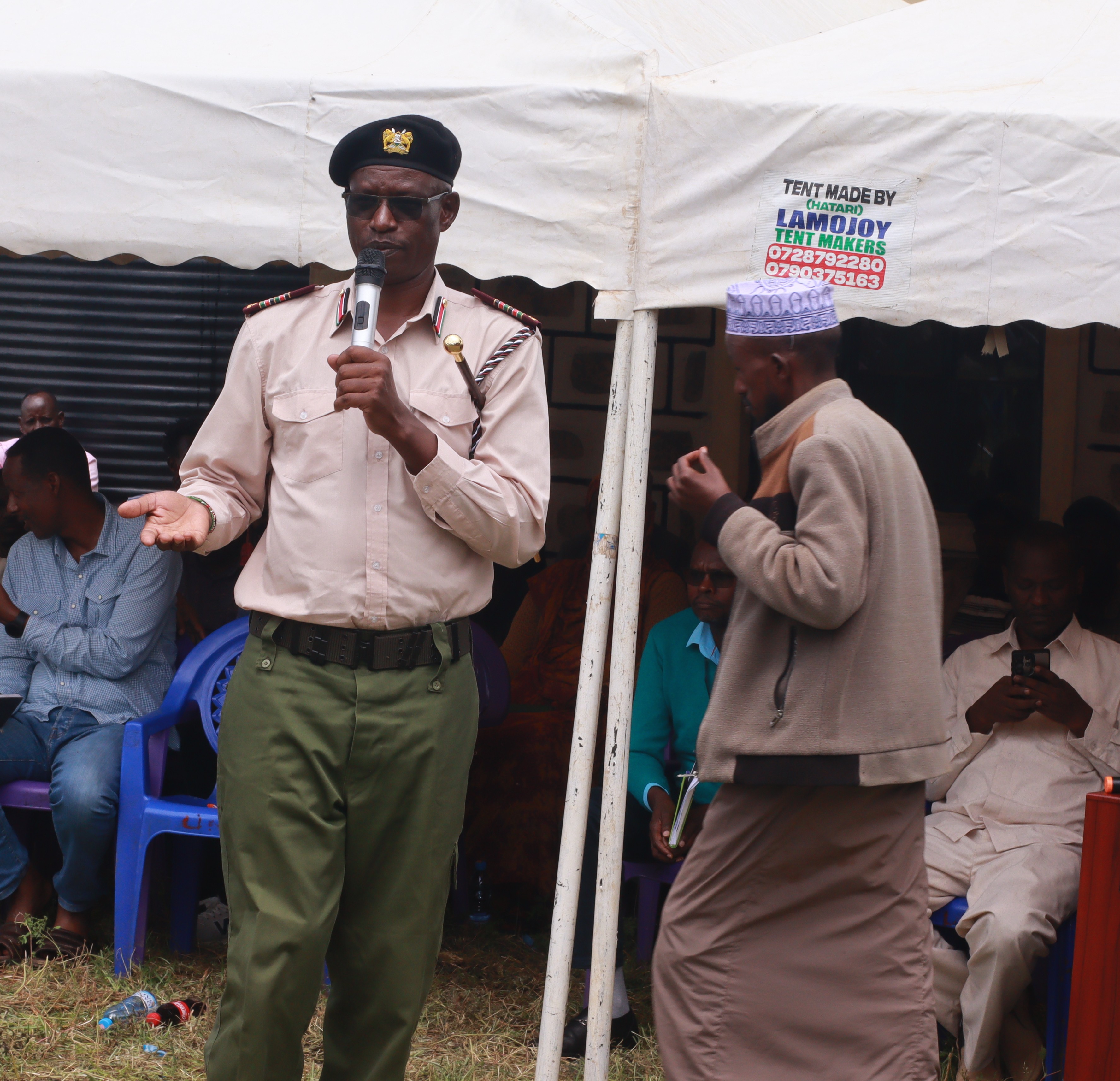 Uran DCC Stepehen Kaloki during a land registration CLMC
election process in Uran area /STEPHEN ASTARIKO
Uran DCC Stepehen Kaloki during a land registration CLMC
election process in Uran area /STEPHEN ASTARIKOThe
election of community land management committees is expected to create legally
recognised structures that will oversee land governance, represent community
interests and participate in decision-making over investments and resource use.
Residents
say the changes are already challenging long-standing social norms in a region
where women and marginalised groups historically had little voice in land
matters.
Among
those celebrating the process is Hawo Jirma from Dambalafachana, who described
the registration exercise as a turning point for pastoralist women.
“For many
years, women were excluded from discussions about land ownership and community
decisions. Now we are being included and allowed to participate. It gives us
hope that future generations of women will have a voice,” she said.
Traditionally, land governance within many pastoralist communities was dominated by male elders, leaving women, youth and persons living with disabilities largely sidelined despite being directly affected by decisions over grazing areas, settlements and natural resources.
But the
ongoing exercise is increasingly being viewed as an opportunity to build a more
inclusive governance system.
Mustafa
Jirma Molu, a resident living with disability, said the process had given
people like him a sense of recognition rarely experienced in community affairs.
“We are
happy because even persons with disabilities are now being involved in land
matters. This shows that everybody in the community matters,” Mustapha said.
Administrators
and land officials say the registration exercise could also help address one of
the region’s most persistent challenges, recurring conflict over land and
resources.
Uran deputy county commissioner Stephen Kaloki described the process as a major
milestone for pastoralist communities seeking lasting peace and improved
governance.
“Formal
land registration will foster harmonious coexistence among communities and help
minimise disputes related to pasture and boundaries,” he said.
Kaloki
noted that despite decades of independence, many pastoralist regions have
remained largely disconnected from formal land governance systems enjoyed in
other parts of the country.
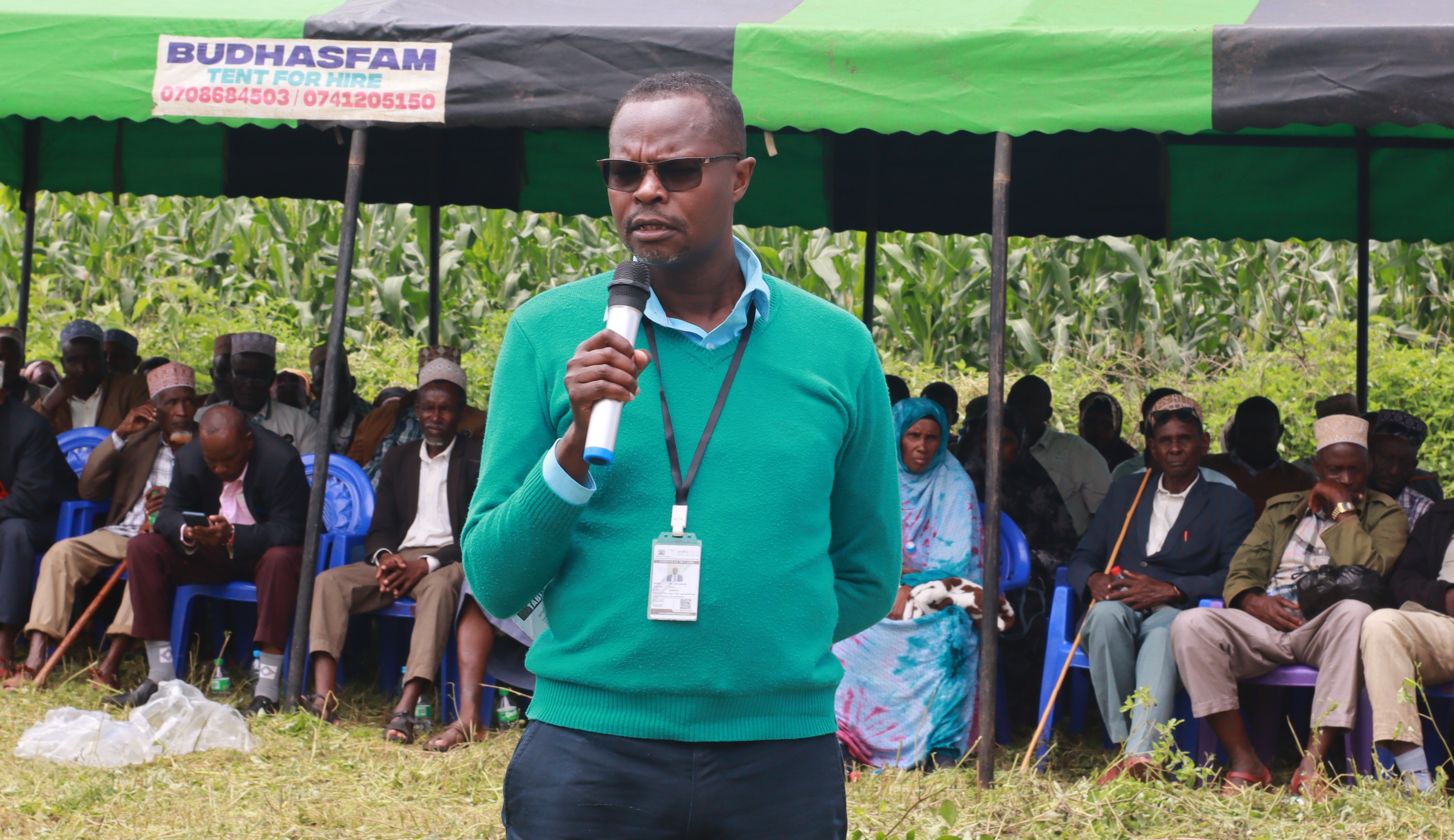
Isolo and Marsabit land registration officer John Wanjoi /STEPHEN ASTARIKO
“This is not just about land documents. It is about communities finally experiencing governance reforms, dispute resolution mechanisms and structured representation,” Kaloki said.
Beyond
conflict resolution, county officials believe community land registration could
unlock new economic opportunities and attract responsible investment into
northern Kenya.
Marsabit county chief officer for lands Galm Guyo
said legal recognition of community land creates certainty for both residents
and investors.
He said the process could help communities negotiate fair benefit-sharing
agreements whenever major projects are proposed on their land.
“For many
years, communities watched development happen around them without having
meaningful participation,” he said. “With formal registration, they can now
negotiate from a position of strength.”
Marsabit
has increasingly attracted interest from investors due to its vast natural
resources, renewable energy potential and strategic location linking Kenya to
Ethiopia.
However,
concerns over land ownership and representation have often complicated
development discussions.
Officials
now argue that organised community land governance structures could help ensure
investments benefit local populations while reducing disputes that frequently
derail projects.
Isiolo and
Marsabit land registration officer John Wanjoi said the exercise is
being conducted in phases and has already successfully facilitated the election
of community land management committee members in several areas.
He said
the process will transform communities from passive spectators into recognised
stakeholders with authority over how their ancestral land is utilised.
“Community
land registration gives residents the power to participate in decisions
involving investments and development projects,” Wanjoi said.
For many
residents, that shift in power may become the most significant outcome of all.
In a
region where communities have historically felt marginalised from national
development conversations, the ability to influence decisions over land,
resources and investment is being viewed as a long-overdue step toward
inclusion and self-determination.
The ongoing registration process has been funded by the Frontier Counties Development Council (FCDC) in collaboration with local NGOs, county and national government.