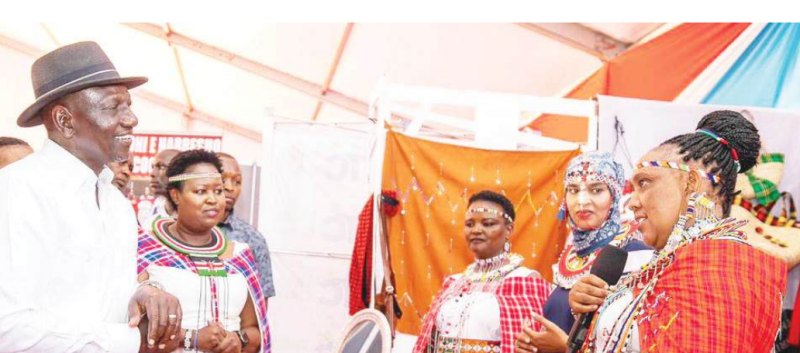
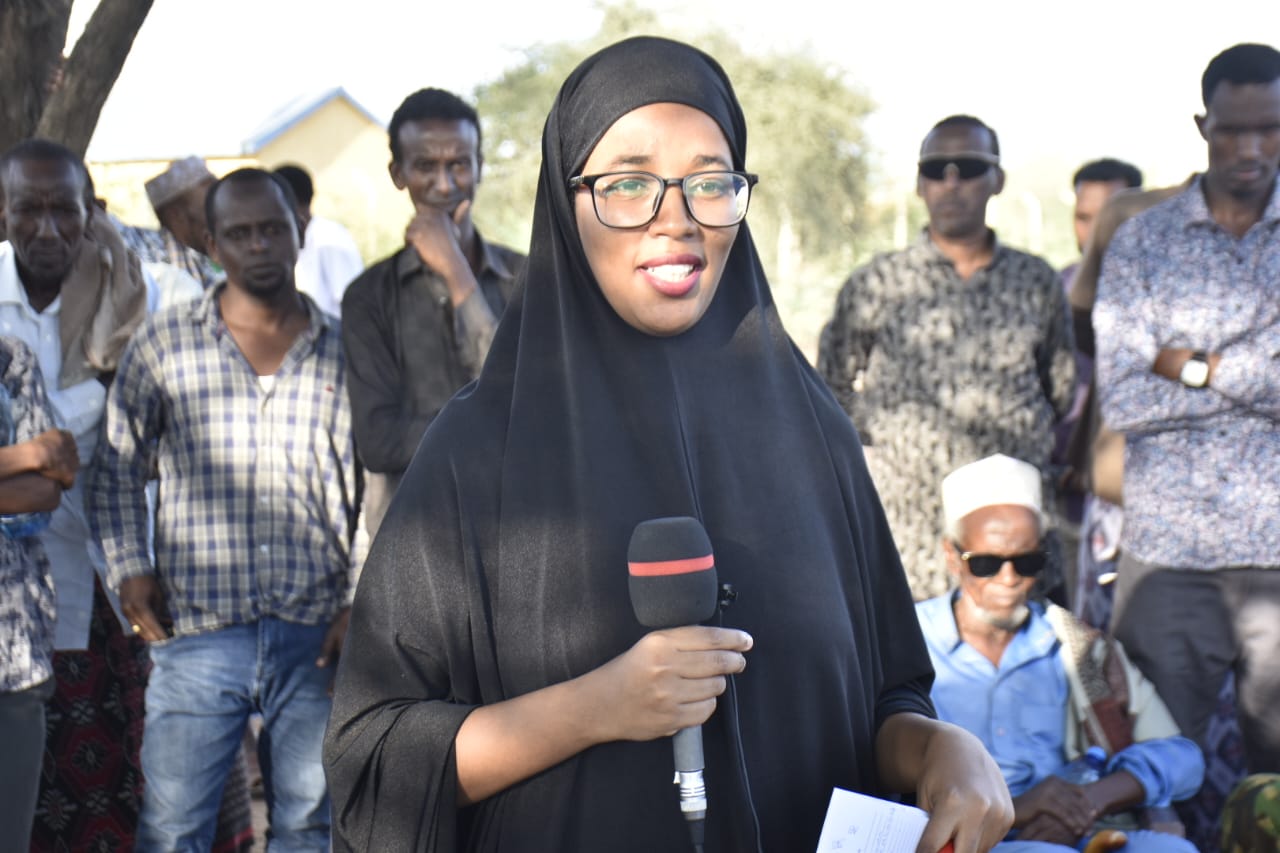
 ODM nominated MP Umulkheir Harun in Raya village, Balambala subcounty /STEPHEN ASTARIKO
 Honey
Rashid, a resident of Raya/STEPHEN ASTARIKO
Honey
Rashid, a resident of Raya/STEPHEN ASTARIKO
Leaders from Kenya’s arid and semi-arid
counties have been urged to jointly develop a comprehensive infrastructure plan
aimed at delivering sustainable, long-term solutions to recurrent drought.
ODM nominated MP Umulkheir Harun said that while drought is
a natural climatic occurrence that cannot be completely eliminated, leaders
have a responsibility to put in place strategies that mitigate its long-term
effects on communities.
She spoke in Raya village, Sankuri Ward, Balambala subcounty, during a women's empowerment programme.
“Drought is part of our climate and we cannot wish it away,
but as leaders we can come up with sustainable solutions that will cushion our
people and protect their livelihoods,” she said.
The MP who has declared her interest to contest for the
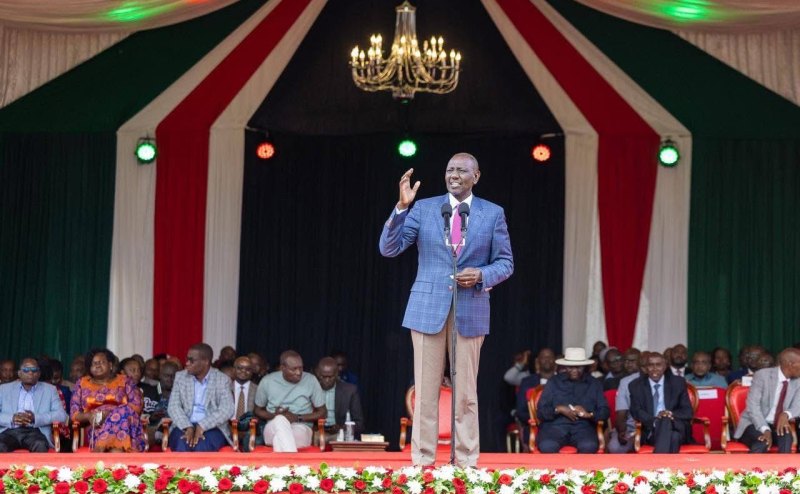
Garissa woman representative seat, cited President William Ruto’s recent
pronouncement on the construction of a mega dam in Masalani as a major step
towards addressing the perennial water shortage in the region.
She said the dam, once completed, would act as a reservoir
during rainy seasons and significantly ease water scarcity during dry periods.
“We really want to thank the President for pledging to
fulfil this promise under his leadership. As leaders, we are extremely excited
and looking forward to it. Successive governments have been requested to build
dams in this region but did not fulfil the promise. He will be the first President to decisively address our perennial water problem,” she said.
On the worsening drought situation, Umulkheir noted that the
region has experienced three consecutive seasons without rain, a situation she
said was threatening lives and livelihoods, especially for pastoralist
communities who largely depend on livestock as their main source of income.
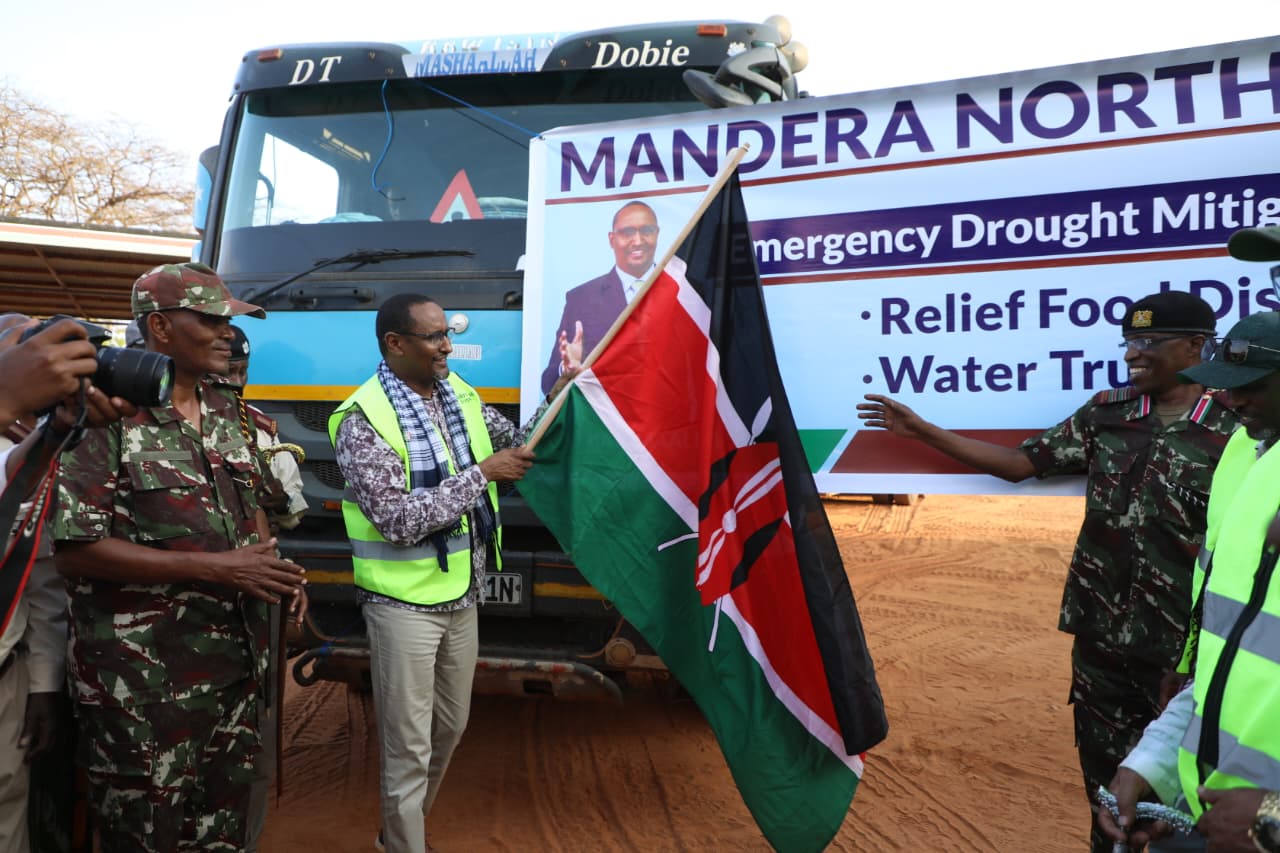
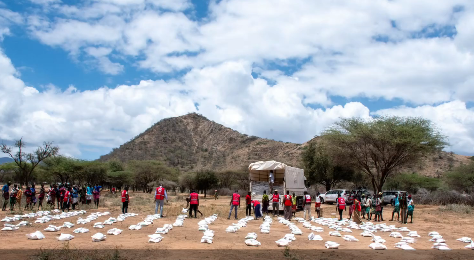
The MP lauded the government for rolling out drought
mitigation initiatives, including the distribution of food and non-food items
to affected households. However, she urged leaders overseeing the exercise to
ensure transparency and fairness.
“The government has provided resources, and we have all seen
MPs leading food distribution exercises. My plea to fellow leaders entrusted
with these supplies is to work closely with local leaders and all the
government structures that are in place is to ensure that assistance reaches
the most vulnerable. This support should not be used as a tool for individual
political campaigns,” she said.
Isack Ibrahim, a resident of Raya, echoed the MP's concerns,
calling for improved targeting of relief efforts.
He urged the government not to concentrate food distribution
in towns at the expense of remote villages, noting that the real victims are in
rural areas.
Another resident, Abdi Abdullahi, appealed to the government
to prioritise the provision of animal feed, warning that many livestock were
too weak to move.
“We have not received enough rain for the last four seasons,
and this has put us in a very precarious situation. We might lose hundreds of
animals in the next month if animal feed is not provided,” he said.
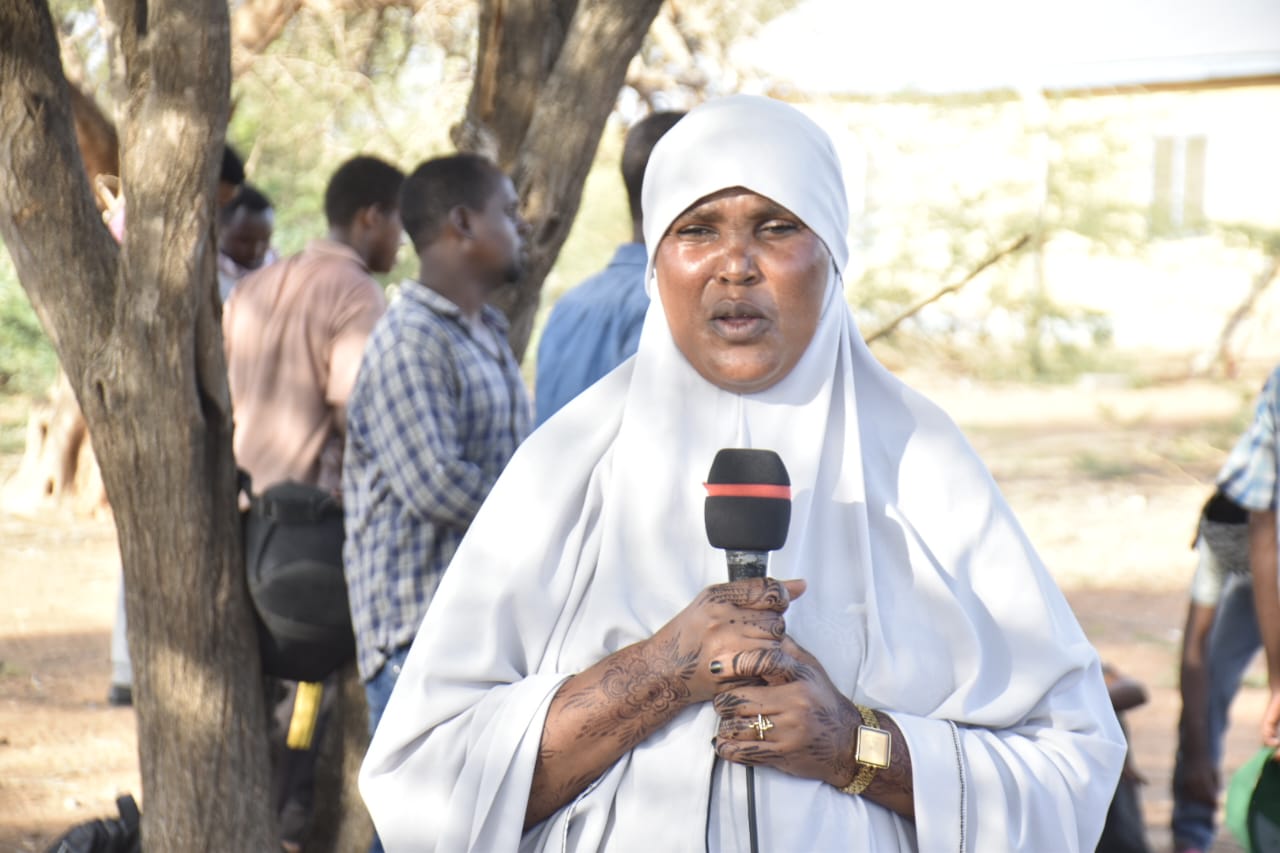
Honey Rashid, also a resident, said that many pastoralists have migrated far
and wide in search of water and pasture for their animals.
This crisis has been intensified by the failure of three
consecutive rainfall seasons—the October–December 2024 rains, followed by the
complete failure of both the March–May and the October–December 2025 seasons.
The cumulative impact has left water sources depleted,
livelihoods disrupted, and families struggling to cope.
The prolonged drought has triggered severe food insecurity
across the country, particularly in ASAL regions. Recent reports estimate that
more than two million people in these areas are at risk of acute hunger, a
number expected to rise if dry conditions persist.
Last week, the MPs from Asal regions urged the national government to declare the drought a national disaster, citing rising distress among pastoralist communities.
![[PHOTOS] The new Ngong –Naivasha Road viaduct](https://cdn.radioafrica.digital/image/2026/06/64d4f771-4432-4aee-ba3c-2f304c4436ec.jpg)