
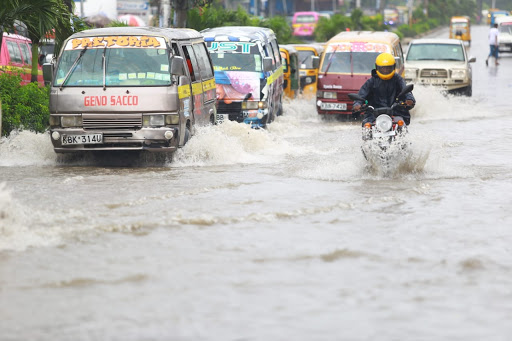
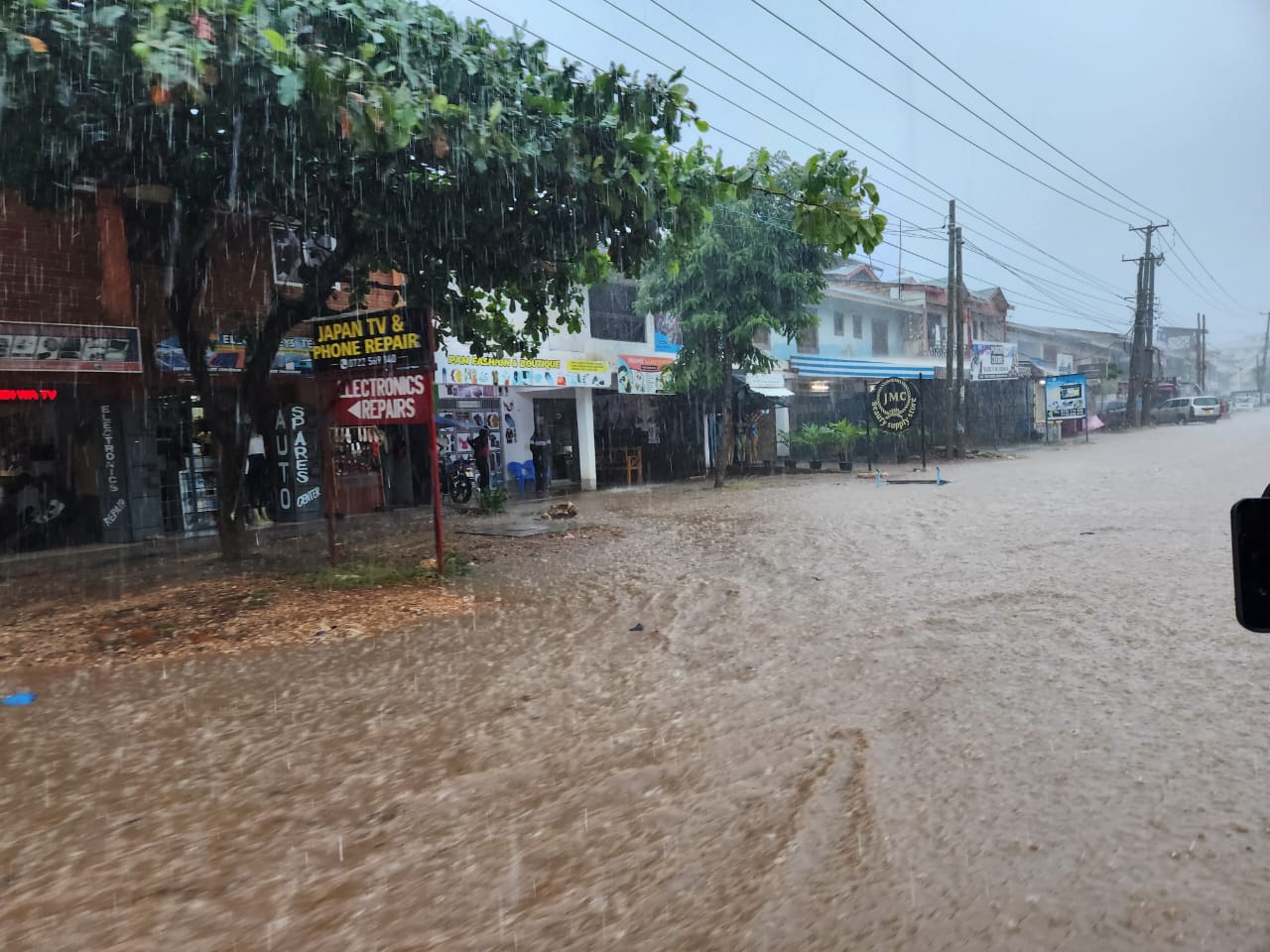
 El Niño would cause flooding in Kenya.
This follows a warning from the World Meteorological Organization confirming the El Niño conditions beginning next month.
The warning has renewed fears of extreme weather around the world, including the possibility of heavy rains and flooding in Kenya.
The WMO said the likelihood of El Niño developing between June and August this year is 80 per cent, and there’s more than a 90 per cent chance it will persist until at least November.
The El Nino, predicted to be one of the strongest ever recorded, will be the first to test the implementation of the newly-signed National Disaster Risk Management Bill, 2023, which became law late May.
Deputy Chief of Staff Josphat Nanok says the legislation creates institutions intended to coordinate disaster management before emergencies spiral out of control.
"It establishes a comprehensive legal and institutional framework for disaster risk management through the creation of the National Disaster Risk Management Authority and county disaster risk management committees," Nanok said.
He says the law is aimed at strengthening Kenya’s capacity to anticipate, prepare for, respond to, and recover from disasters.
“Of particular significance, the law provides a clear statutory basis for the declaration of a national state of disaster by the President where circumstances require a coordinated national response,” Nanok said.
“It also empowers the Head of State to direct necessary interventions, including the mobilisation of resources and evacuation of affected populations, to safeguard lives and property during emergencies.”
Most global forecast models indicate the El Nino is likely to be at least moderate.
"The science is clear: El Niño is arriving on our doorstep in the coming months with 90 per cent certainty. The world must treat it as the urgent climate warning it is. El Niño conditions will pour fuel on the fire of a warming world. Impacts will hit even harder, travel even farther, and cross borders with devastating speed," United Nations Secretary-General António Guterres said in a video statement accompanying the WMO report.
The warning has immediately drawn attention in Kenya, where memories of the catastrophic 1997-98 El Niño remain vivid.
Nearly three decades later, the country remains vulnerable.
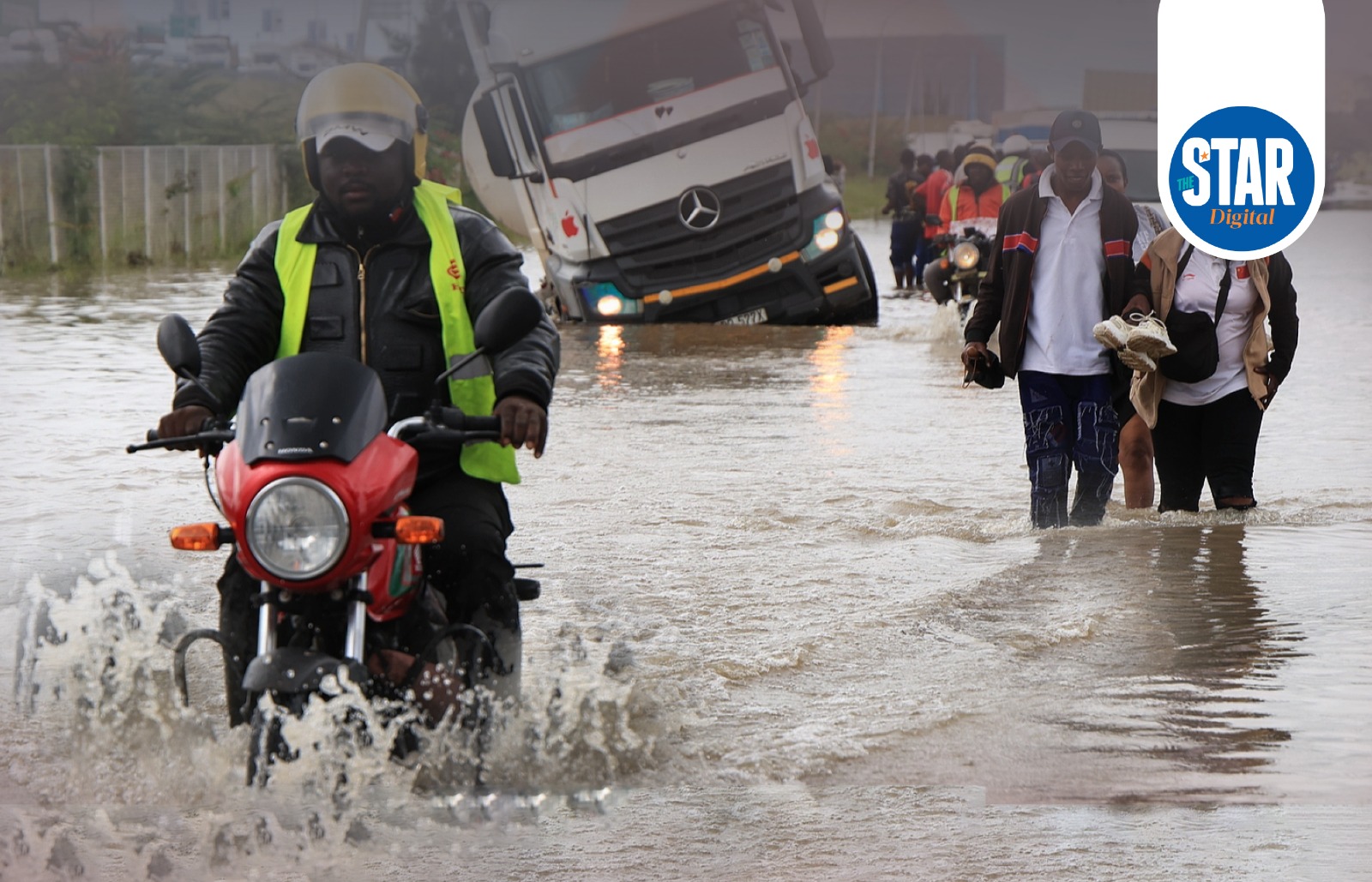
Deadly floods in 2024 exposed weaknesses in disaster preparedness and emergency response. Hundreds of people lost their lives, thousands of families were displaced, and billions of shillings worth of infrastructure were damaged as rivers burst their banks and landslides swept through vulnerable communities.
The government hopes the newly signed disaster law will help prevent a repeat of such chaos.
Nairobi Governor Johnson Sakaja says the city is already improving drainage to prepare for the rains.
He said the exercise will require massive investment in drainage infrastructure, revealing that a full overhaul of the city’s drainage system could cost about Sh25 billion.
He said the county government is working closely with the national government to mobilise the resources needed to tackle the long-standing problem.
“Overhauling the city’s drainage system will cost about Sh25 billion, which is why cooperation with the national government is necessary. Correcting decades of planning mistakes will require tough decisions,” Sakaja said.
For years, disaster management experts have argued that Kenya's biggest challenge has not been a lack of warnings but a lack of coordination.
Responsibility for disaster response has often been spread across multiple agencies, sometimes leading to confusion during emergencies.
The new law seeks to change that by creating a clear legal framework for disaster preparedness and response.
Of particular significance, it provides a statutory basis for the declaration of a national state of disaster by the President when circumstances require a coordinated national response.
"The biggest lesson from previous floods is that disasters are rarely caused by rainfall alone. What turns heavy rain into a catastrophe is poor planning, settlement in high-risk areas, blocked drainage systems and weak enforcement of safety regulations. The new law provides a framework for better coordination," said Reuben Onyango, a disaster management expert based in Nairobi.
He said the success of the new law will depend on how quickly institutions can translate policy into action on the ground.
The legislation aligns closely with the National Disaster Risk Management Strategy 2025-2030, which acknowledges that Kenya's disaster risks are growing.
The strategy notes that climate change, environmental degradation, rapid urbanisation and population growth are increasing vulnerability across the country.
"Kenya is exposed to a wide range of natural and human-induced hazards, including droughts, floods, landslides, disease outbreaks, fires, and technological accidents. These hazards have varying impacts across different regions, depending on geographical, environmental, and socio-economic factors," the strategy says.
The new law calls for a shift away from the traditional pattern of reacting after disaster strikes.
"It aims to proactively reduce risk and build resilience before disasters occur, ensuring that all sectors are prepared to address potential threats,” the strategy indicates.
Instant analysis
The looming El Niño presents Kenya with both a warning and a test of its disaster preparedness systems. Unlike previous years, the country now has a legal framework through the National Disaster Risk Management Act to coordinate responses and mobilise resources before crises escalate. However, laws alone cannot prevent disasters. The real challenge lies in implementation, particularly in flood-prone urban settlements, riverine communities and areas with poor drainage infrastructure. With climate change increasing the frequency and intensity of extreme weather events, authorities must act on early warnings, strengthen local preparedness and invest in resilience measures to minimise loss of life and property.