Despite years of police efforts to
arrest the surging tide of crime in
Mathare, the informal settlement
still remains one of the hotbeds of
violent crime in Nairobi.
Though a living reality for most
residents, the wave of criminality in
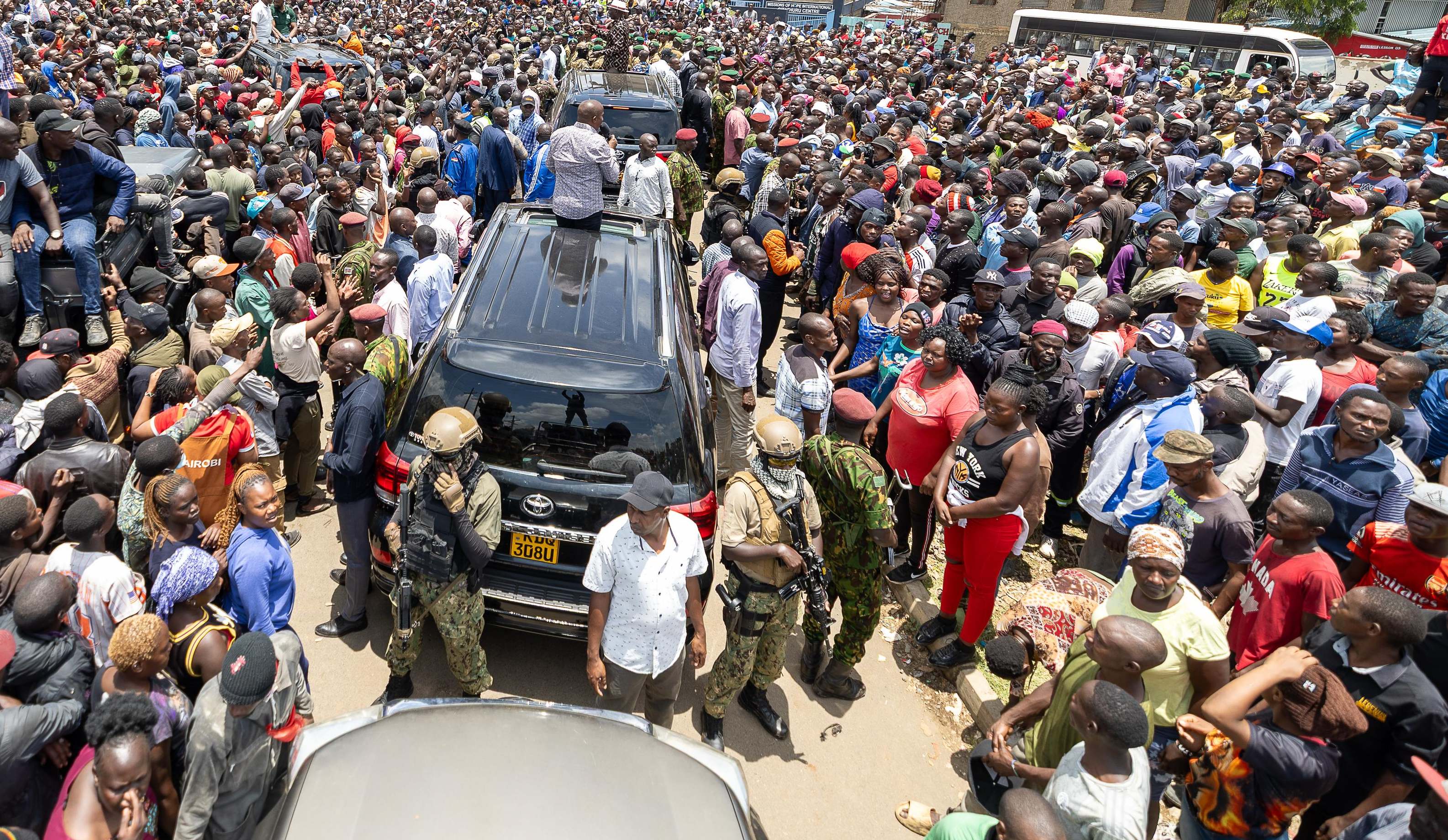
Mathare came to the national limelight on Tuesday when President William Ruto visited the area as part of
his Nairobi tour.
Scores of marauding men staged a
robbery spree along the streets and
major roads, including Thika Superhighway.
Wielding knives, metal bars and
other weapons, the men made away
with phones, handbags and other
valuables of innocent members of
the public.
Residents say the Tuesday occurrence is not isolated as they live daily with the risk of getting mugged and
losing everything.
You are lucky to
walk away alive and without serious
harm.
Worse, says WJ, the violent youths
mostly under the influence of drugs
stage their brazen crimes in broad
day light but the risk rises at the fall
of dusk.
MN has been a victim of the crime.
It was in December last year when
he had just finished his work as a
matatu tout at 9pm and was walking
a stretch of 10 minutes to his house.
Four young men jumped on him at
a dark corner.
They cut him with a sharp knife,
leaving him with multiple injuries
before making away with his watch,
two phones and some cash he had
in his pocket. They also took his jeans trousers,
belt and shoes.
“They were young people I suspect
aged between 16 and 20. I had several stitches on the wounds that kept me
out of work up to February this year,”
the father of two said.
MN had to relocate from Mathare
after the traumatic incident.
He blames joblessness, access to
cheap liquor and hard drugs in the
area.
Another resident who runs a vegetable stall shared her experience.
“It is the norm in Mathare. These
young men idle on the road to snatch
phones and dash to the crowds and
dark alleys. Others beat up their suspects and rob them of everything,”
said Wanjiru, declining to be fully
identified as she could be targeted.
The crime in Mathare was the subject of national press coverage years
ago after plainclothes police officers
would comb the area and use lethal
force on suspects.
The cops would be stationed in
the corners of the slum, infiltrate the
groups of young men and burst the rings of drug smugglers and crime
plotters.
They would use unmarked private
cars for patrols to trail their suspects
who would be plucked from the
streets and bundled into the boots
of the cars and spirited away.
But the crackdown triggered
concerns among human right campaigners who accused police of
extrajudicial killings and enforced
disappearances.
The activism led to creation of
social justice centres that document
alleged police excesses.


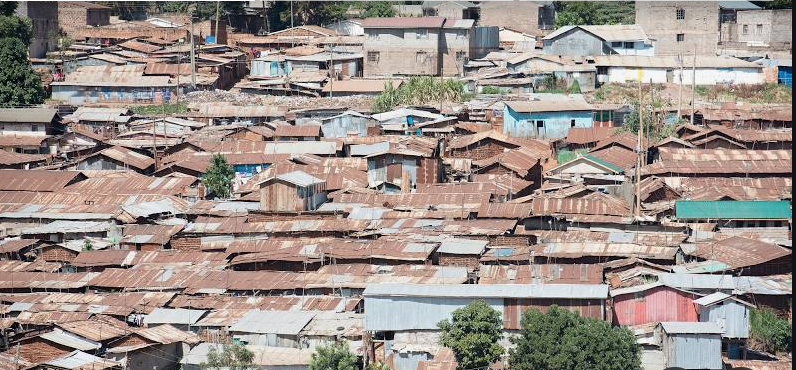 MATHARE/SCREENGRAB