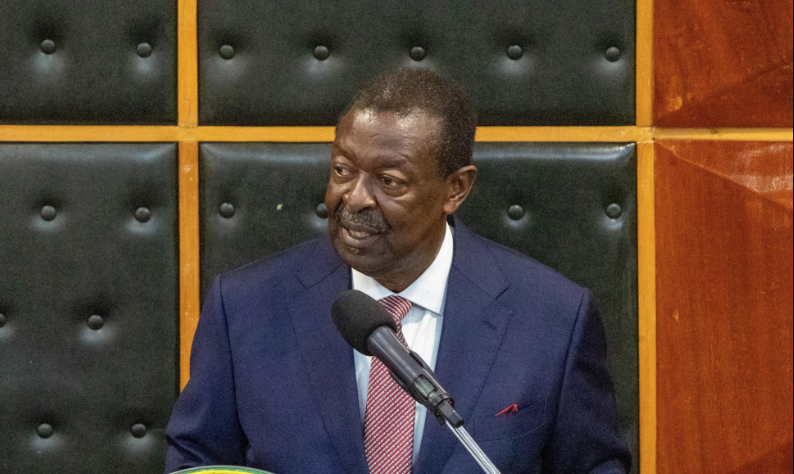
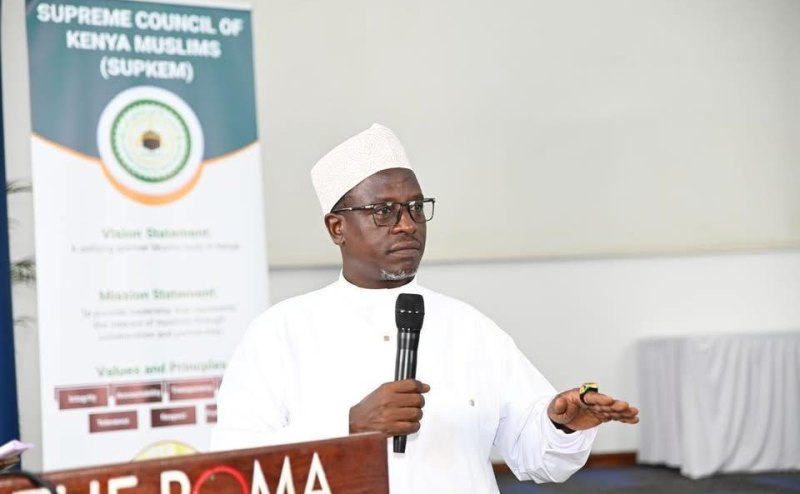
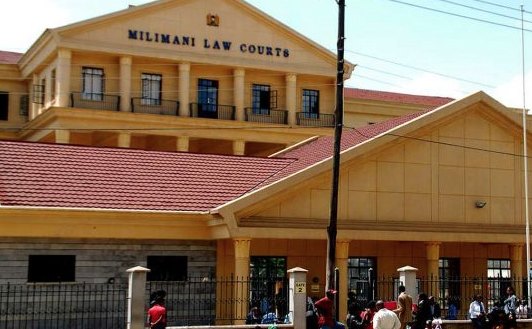
 Mombasa county lands executive Mohamed ‘Amadoh’ Hussein addresses Guu Ng’ombe residents in Mwakirunge, Mombasa on Friday / BRIAN OTIENO
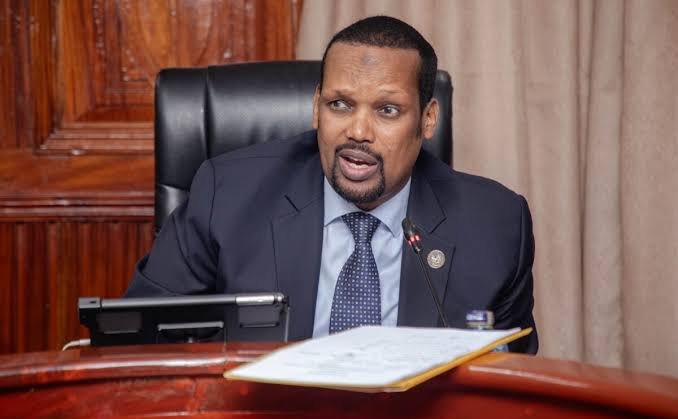
 Mombasa county lands executive Mohamed ‘Amadoh’ Hussein arrives at Guu Ng’ombe residents in Mwakirunge, Mombasa on Friday / BRIAN OTIENO
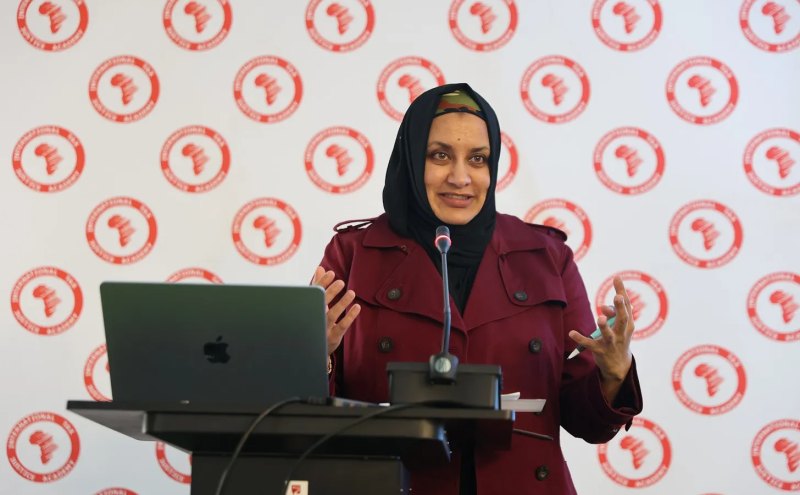
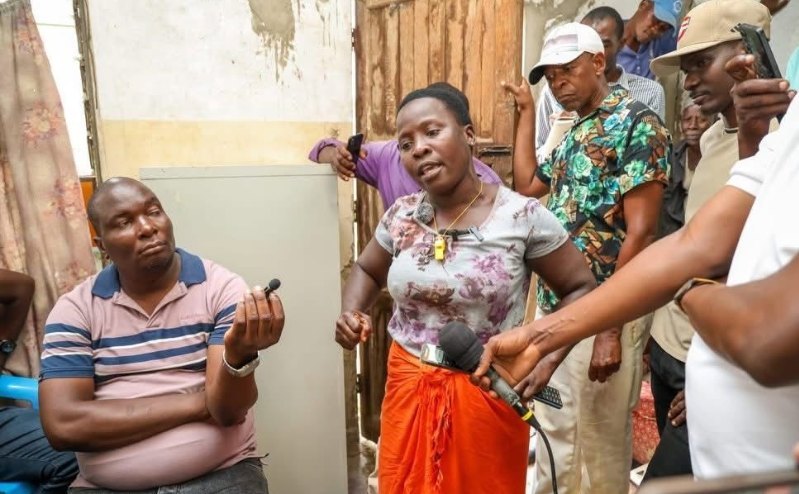 Guu Ng’ombe resident Purity Kadzo in Mwakirunge on Friday / BRIAN OTIENO
 Sophie Saidi chats with Mombasa county lands executive Mohamed ‘Amadoh’ Hussein in Mwakirunge on Friday / BRIAN OTIENO
The Mombasa County Government has initiated talks with
Mwakirunge residents in Kisauni to address the long-standing land issues in the
area.
Through the Lands department, the county government on Friday said it wants to understand the history of the area before initiating a process that will enable residents to receive title deeds.
Residents now want the county government to be honest and transparent throughout the process and provide more information.
They said they want the county to follow the legal procedures governing public participation and project approvals.
Mombasa Lands executive Mohamed ‘Amadoh’ Hussein said the county’s priority is the regularisation of land ownership to end decades of uncertainty that have left many residents labelled as squatters.
This comes as land reforms remain one of Governor Abdulswamad Nassir’s key priorities, alongside health and education, as he focuses on his re-election bid in 2027.
Land is an emotive issue across the Coast region and has been used by politicians as they seek votes from the region.
The Coast has approximately 2.3 million registered voters, with the number expected to rise to about 2.5 million by the 2027 General Election.
On Friday, Amadoh, known as Nassir’s right-hand man and ‘Mr Fix It’, said securing land tenure is the first step towards unlocking development projects and ensuring residents enjoy long-term security.
“That is why we have come to places like Guu Ng’ombe in Mwakirunge so that we can start somewhere,” Amadoh said during a public meeting with residents.
He called on residents to form a committee to represent the community as the county moves to issue title deeds within the next 90 days.
The committee, he said, should comprise trusted individuals, including women, elders and young people, who are recognised by residents as genuine members of the community with integrity and the ability to represent Guu Ng’ombe effectively.
“We want to subdivide the land so that everyone gets a title deed. Once you have a title deed, nobody will disturb you again. The story of squatters and landowners will come to an end,” he said.
He said Mwakirunge has vast tracts of land that could be utilised for the benefit of residents.
Known for hosting the county’s largest dumpsite, Mwakirunge is set to have a waste recycling facility constructed to address the decades-old garbage problem facing the area.
Amadoh said plans are also underway to construct a Level 5 hospital in the area.
“But these projects will only be more beneficial if residents have their own title deeds. That is why we are starting this process today,” he said.
The Lands executive, however, warned residents against politicians who use the emotive land issue to stir emotions and potentially cause chaos.
“Guard yourselves against politicians who take advantage of such issues to cause chaos and misunderstanding because they want votes and want to be seen as fighting for you.
“They will spread fear and falsehoods so that you do not get this vital document called a title deed because, once you have titles, they will not be able to manipulate you,” Amadoh said.
Director of Surveys Rose Munupe said the county government has joined hands with the national government following a directive by President William Ruto to ensure residents in Mombasa receive title deeds within 90 days.
She said the Lands department had already begun consultations with local leaders and residents to understand the area's history and address existing challenges before commencing the land adjudication process.
“Every area has its own history and challenges. That is why we have come to engage residents first and understand the issues before beginning the exercise,” she said.
Mwakirunge MCA Mwinyi Mtoto Hamisi said residents have waited for years to obtain title deeds and deserve to live without fear.
He called on residents and government officials to work together to ensure the process succeeds.
“We need title deeds so that our people can live without fear and be able to develop ourselves. Let us sit together and move forward,” he said.
James Boma, a resident for more than 30 years, said no project should be initiated without residents' approval through proper public participation.
He said residents need adequate time to analyse proposals and understand their implications.
“We are not rejecting development. We just want things done properly. Let there be gazette notices and proper public participation before decisions are made,” he said.
Purity Kadzo, another resident, said the community has endured years of hardship and marginalisation and urged leaders to prioritise title deeds before introducing other development initiatives.
“We have lived here for years under difficult conditions. What we want first are title deeds and then development,” she said.
Amadoh, however, assured residents that the county is committed to resolving the land question and supporting the area's development.
He said the meeting marked the beginning of consultations and assured the community that all legal requirements, including public participation and advertisements, would be followed at the appropriate stages.
He said the initial discussions were necessary to ensure that any formal process reflects the aspirations of the community.
INSTANT ANALYSIS
Mwakirunge hosts the county’s main garbage dumpsite. For decades, the area has suffered neglect, while its residents have faced marginalisation and limited development opportunities. It experiences severe socio-economic challenges and is recognised as one of the poorest areas in Mombasa County, with a poverty index significantly higher than the county average of between 27 and 34 per cent. The area continues to be heavily affected by environmental and economic marginalisation.