
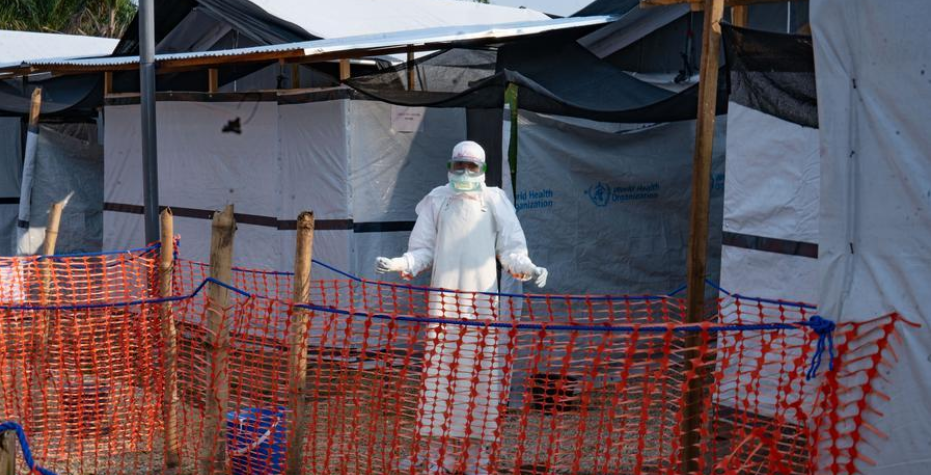
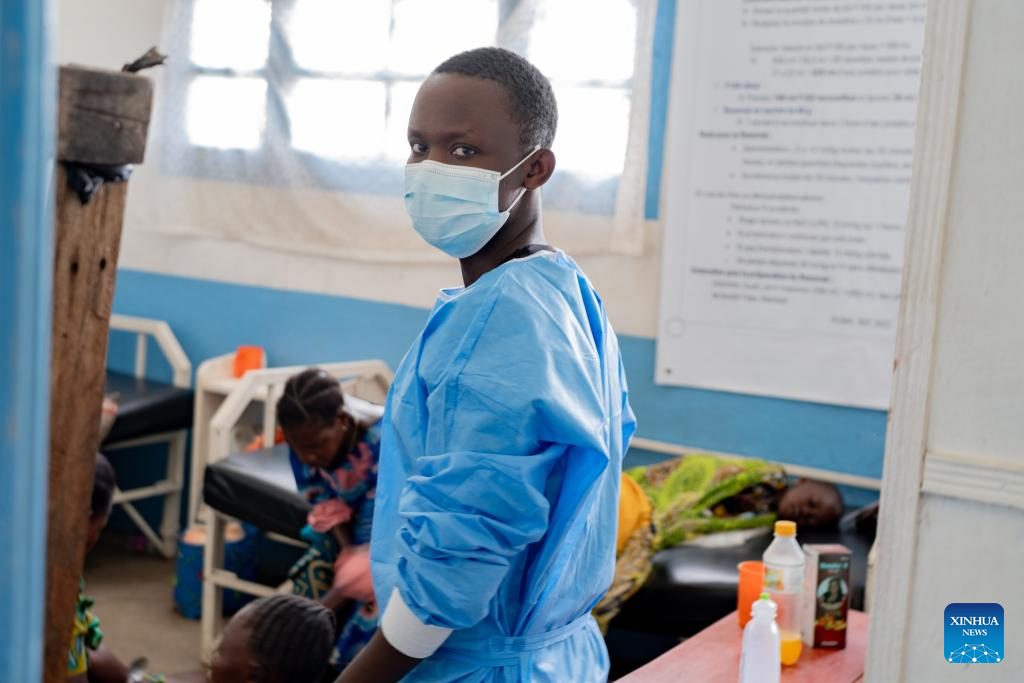
 Healthcare workers pictured during a previous Ebola outbreak in Uganda in 2022 /FILE
Kenyans
travelling to the United States will face tougher Ebola-related screening after
US authorities announced that passengers transiting through Nairobi could
unknowingly spread the virus before showing symptoms.
The new guidance from the US Centers for Disease Control and Prevention (CDC) raised concern that travellers from the Ebola-hit Uganda, the Democratic Republic of Congo and South Sudan mostly pass through the Jomo Kenyatta International Airport while travelling to America.
It said some
travellers could unknowingly carry the virus before becoming ill, thus
spreading it along the way.
“Travellers
departing from outbreak-affected regions frequently transit through densely
populated metropolitan airports such as Addis Ababa Bole International Airport,
Jomo Kenyatta International Airport in Nairobi, Hamad International Airport in
Doha, Dubai International Airport, and Istanbul Airport, all of which maintain
extensive passenger connectivity to major US gateway airports,” the CDC said in
a statement.
“These international
transportation corridors support continuous movement of travellers between
Central and East Africa and major US metropolitan centres, increasing the
likelihood that individuals exposed to Ebola virus disease could enter the
United States before symptoms become apparent.”
The CDC also announced that anyone who has been to Uganda, the DRC and South Sudan this month may be
temporarily barred from entering the United States, regardless of their
nationality.
The measure is
expected to remain in place for at least 30 days, CDC said.
The outbreak has
already triggered global concern after the World Health Organization declared
it a public health emergency of international concern.
Health authorities say
the disease started in eastern DRC and crossed into Uganda through imported
infections.
Current figures from
WHO, Africa CDC and international health agencies show more than 300 suspected
Ebola cases and at least 80 deaths linked to the outbreak, although experts
warn the real numbers could be much higher because many infections may still be
undetected.
No case has been
reported in South Sudan, but CDC official Dr Jayanta Bhattacharya said it was
included in the watch-list because of the weak health system.
“South Sudan has not
reported confirmed cases in the current outbreak, but it is considered at
high risk because of its close border with affected areas in eastern DRC and
Uganda, limited healthcare infrastructure and cross-border population
movement,” Jayanta said.
The current outbreak
involves the rare Bundibugyo strain of Ebola, first identified in Uganda in
2007.
Scientists say the strain has a fatality rate
of between 30 and 50 per cent, lower than the Zaire strain that can kill up to
90 per cent of infected people, but it remains highly dangerous because there
is currently no approved vaccine specifically targeting it.
Most infected people
develop initial flu-like symptoms, such as sore throat, severe fatigue and
weakness, intense headache and muscle/joint pain, within four to 10 days.
Patients can survive
through intravenous fluids, balancing body salts (electrolytes), maintaining
blood pressure and treating secondary infections.
Some patients
deteriorate and develop diarrhoea, abdominal pain and unexplained bleeding.
Ebola spreads through
direct contact with bodily fluids such as blood, vomit, saliva or sweat from
infected people. It can also spread through contaminated surfaces, unsafe
burials and contact with infected animals.
Public Health
Principal Secretary Mary Muthoni reassured Kenyans that no Ebola case has been
confirmed in the country so far. However, she said the country remains on high
alert because of its role as a regional transport and business hub.
“The Ministry of
Health continues to closely monitor the situation in collaboration
with regional and international partners and will continue to provide
timely updates as necessary,” she said in an advisory to county
governments.
Muthoni said the
ministry has intensified surveillance at the JKIA and other border entry points.
Travellers arriving
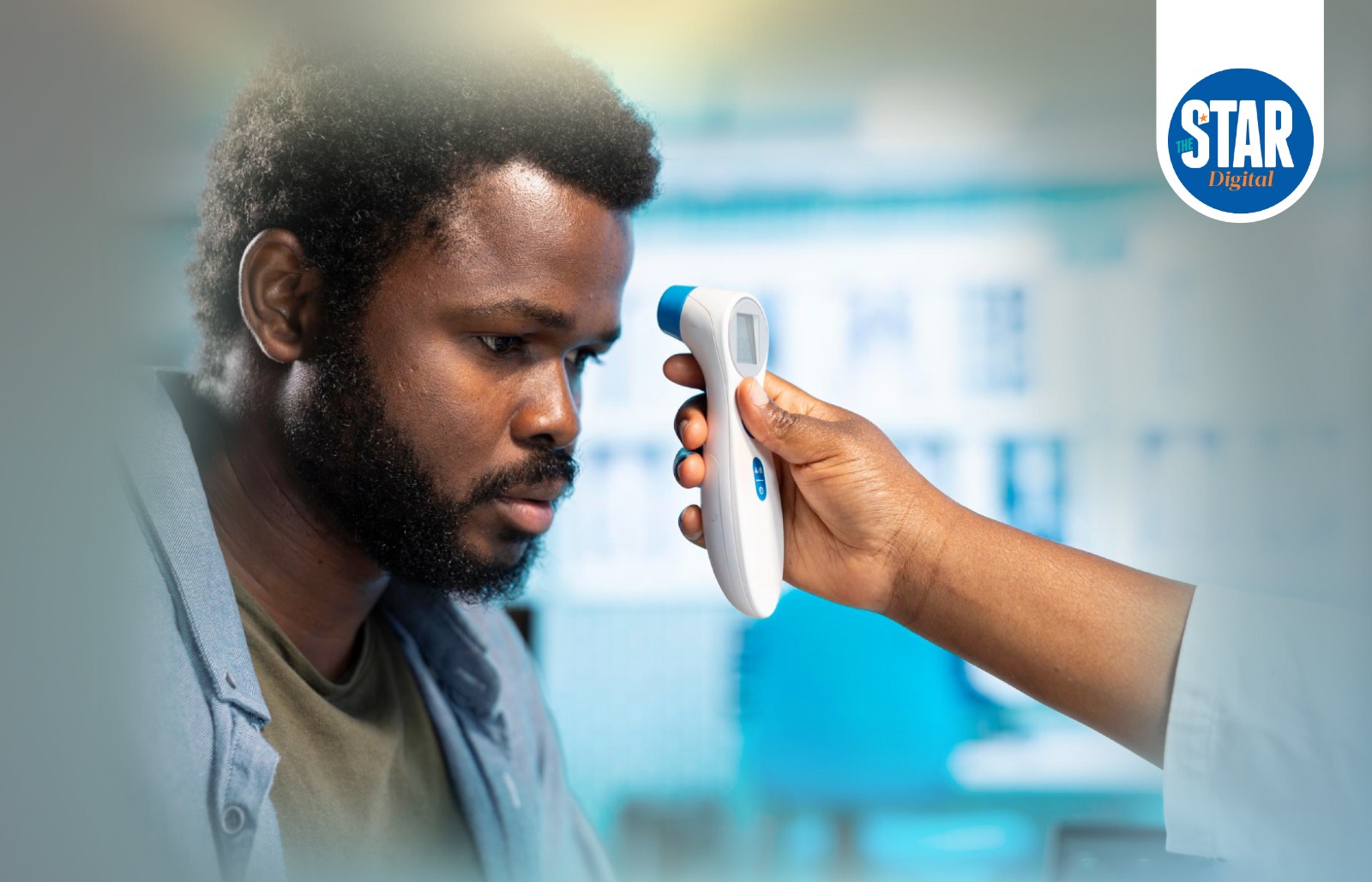
from affected countries are undergoing enhanced health screening, temperature
checks and travel history assessments.
Rapid response teams
and isolation units have also been placed on standby in case a suspected case
is detected.
“All county
governments and county departments of health are advised to heighten
surveillance in all health facilities, especially in counties with high cross-border
movement and international travel,” she said.
The PS also called for
strengthening of laboratory preparedness and specimen referral systems for
timely diagnosis and confirmation.
She urged health
authorities to ensure health facilities adhere to safe specimen collection,
handling, packaging, transportation, and disposal procedures.
Uganda, DRC and
international partners are also rolling out emergency containment measures.
These include contact tracing, isolation of suspected patients, deployment of health workers, public awareness campaigns and tighter cross-border monitoring. WHO and Africa CDC have sent experts, laboratory support and emergency supplies to affected areas.