

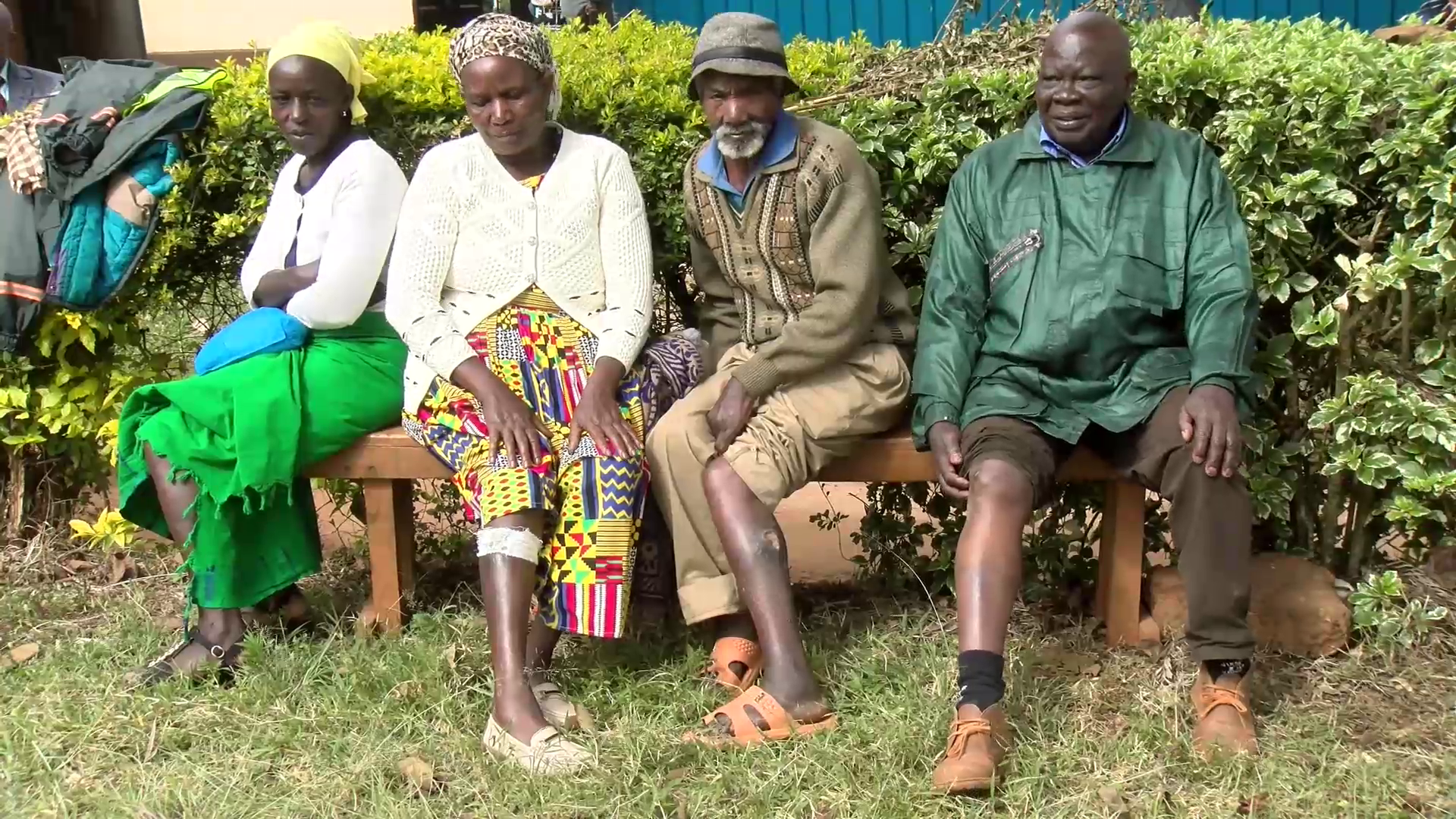
 Some residents of Kiairathe in Kangema, Murang'a, who have been attacked by wild animals/ ALICE WAITHERA
Residents of Kiarathe village in
Kangema constituency have urged the government to compensate them for attacks
caused by wolves in the past month.
They said the attacks have plunged families into financial distress, with victims losing livestock and plunging huge medical costs.
Victims said they have exhausted their savings on treatment and are unable to work due to severe injuries.
Tea farming, the backbone of the local economy, has been affected as the wolves have kept workers away from the farms.
Lucy Waithera, a tea plucker who was attacked while working on her farm, said she was bitten on the leg and was rescued by neighbours who responded to her screams.
She said the ordeal has not only left her nursing physical wounds but psychological ones as well.
Julius Ngunjiri said he was attacked while cutting fodder and is still receiving treatment.
He said one of the animals later attacked his cow, killing it and cutting short the income he received from dairy farming.
“The cow was my only source of income and was valued at Sh250,000,” Ngunjiri said.
He said his wife was also forced to get seven jabs of rabies vaccines after coming into contact with the injured animal, raising their medical expenses.
Beatrice Nyambura, who was attacked while picking tea, was admitted tothe hospital for three weeks.
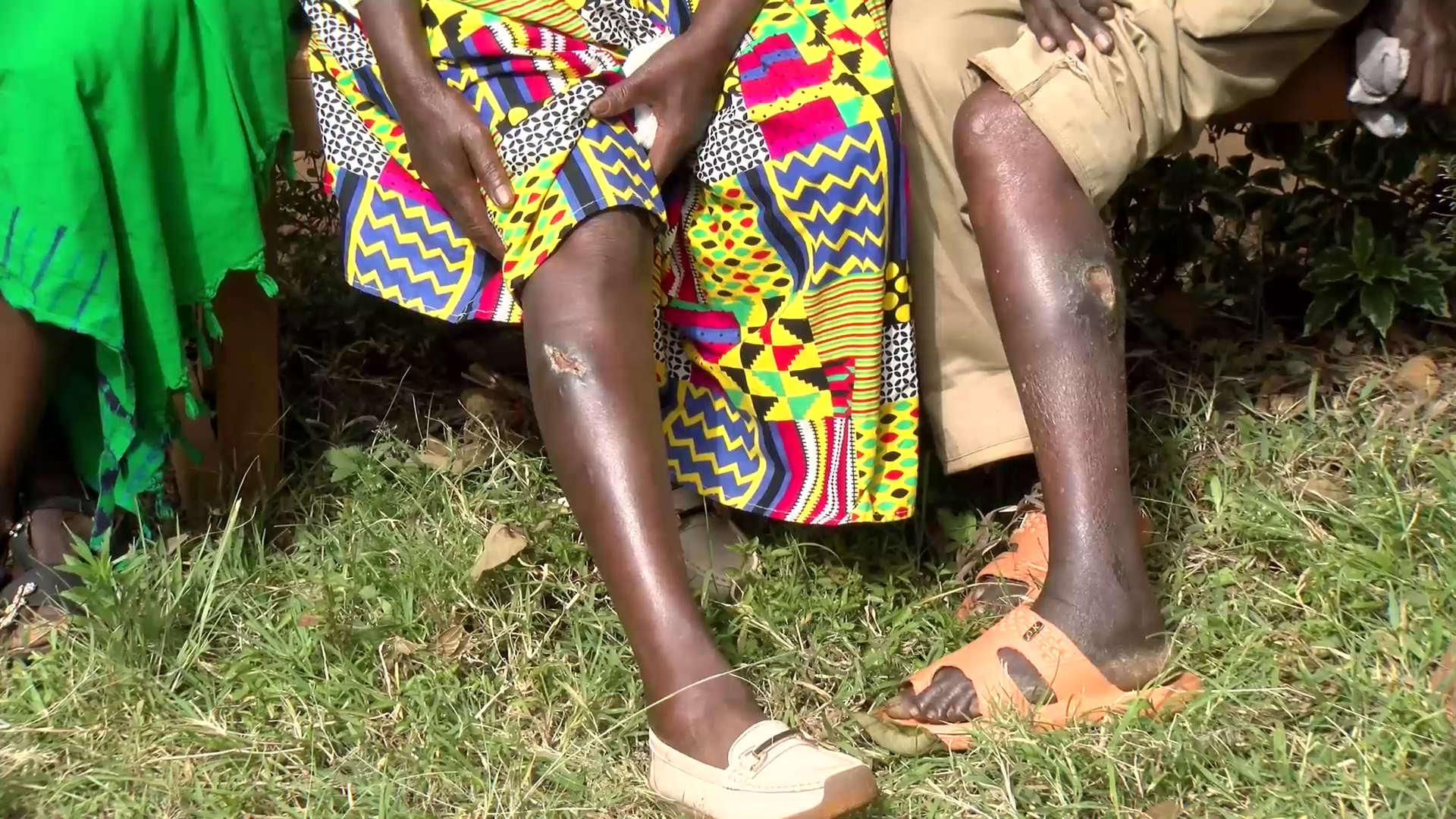
She sustained injuries on her
hands, neck and legs and now requires regular hospital visits for wound
dressing.
Nyambura said her medical costs have surpassed Sh200,000 and she’s yet to fully recover.
Kimani Gachihi, an octogenarian, was also injured while cutting fodder. He said the attack made it impossible for him to walk long distances or engage in any productive work due to persistent pain.
Residents have expressed frustration over lack of support from authorities.
According to Mercy Njeri, officials from the Kenya Wildlife Service (KWS) said the animals responsible are not eligible for compensation under existing guidelines.
“We were attacked and are still living in fear, yet we are told there is no compensation because the animals are not listed,” she said.
Kangema MP Peter Kihungi visited the affected families and urged the national government, through the Ministry of Tourism and Wildlife Services, to intervene and ensure victims receive assistance and compensation.
He said farming activities have slowed down significantly as workers fear entering plantations where the attacks occurred.
Following the incidents, KWS launched an operation to track and control the dangerous animals.
Warden John Gathua said the dense tea bushes have made the search challenging but assured residents that efforts would continue until the animals are restrained.
Reports that the animals have since migrated to the neighbouring Kanyenyaini area have spread tension, causing more anxiety and forcing residents to close down businesses before dusk.
Nationally, the government disbursed Sh3.8 billion between 2023 and 2025 to compensate victims of animal attacks, with Sh908 million released in 2023, Sh960 million last year and about Sh1.95 billion this year.