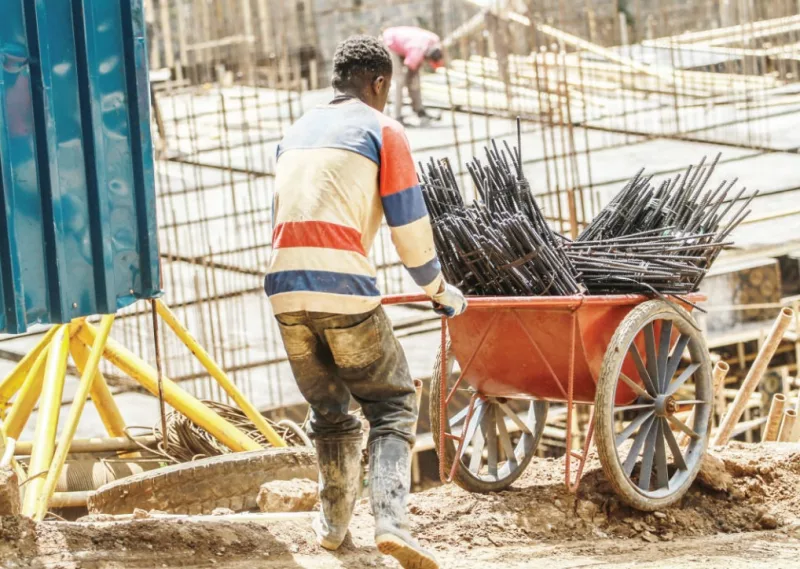
In a world buzzing with discussions about climate change, social justice and environmental conservation, it's crucial to acknowledge the unique and overwhelming challenges that Kenya's youth face. From a psychological standpoint, their paramount concern is the daily battle to meet their basic needs, and this struggle demands our deepest empathy.
Unlike their peers in more privileged parts of the world, many young Kenyans endure economic hardships and are denied access to crucial resources such as quality education and healthcare. These hardships mould their existence and reshape their priorities, diverting their focus from global concerns to the relentless pursuit of survival. This stark disconnect in priorities is born out of the unforgiving realities they confront.
Kenyan youth often find themselves thrust into positions of responsibility, often not by choice. They are expected to shoulder household chores, commence work at a tender age to support their families, and sometimes, even assume leadership roles within their communities. These responsibilities underscore their resilience and adaptability in the face of adversity.
However, this augmented responsibility is a double-edged sword, often accompanied by diminished autonomy in other aspects of their lives. They may have limited say in their education or career choices, and opportunities that are taken for granted elsewhere remain elusive due to poverty, conflict, or inadequate resources.
The economic and infrastructure disparities in Kenya cast long shadows over the mental well-being of its youth. When individuals grapple with the unrelenting pressure to secure food, shelter and income, their mental health invariably deteriorates.
The ceaseless struggle can lead to stress, anxiety and a sense of despair. It's imperative to recognise that these hardships can have enduring consequences on their mental well-being, potentially crippling their capacity to flourish as adults.
The impact of climate change, another pressing global issue, strikes Kenyan youth with particular cruelty. Droughts, floods and food scarcity aren't abstract concepts but immediate threats to their lives. This has propelled them into a heightened state of environmental awareness and activism, as they find themselves on the front lines of climate-related challenges.
High levels of youth unemployment in Kenya exacerbate their frustrations and intensify their yearning for economic opportunities. This frustration fuels their involvement in entrepreneurship and social activism as they endeavour to address economic issues and create avenues for themselves and their communities.
In some Kenyan communities, young people may be more politically engaged, actively advocating for political change due to issues related to governance, corruption and human rights violations. Their involvement in these causes echoes their aspirations for a more equitable and just society.
Despite these unique challenges, there are also parallels between Kenyan and Western youth. Both groups are globally aware and share ambitions for higher education and career advancement. Technology and connectivity have facilitated easier connections, enabling youth from both regions to share ideas and rally for various causes, irrespective of geographical boundaries.
As we ponder these distinctions and commonalities, it is imperative that Kenyan leaders, spanning the political, religious, societal and workplace spectrums, acknowledge the fundamental needs and struggles of the youth.
Prioritising these basic needs—such as access to quality education, healthcare, and economic opportunities—should be paramount. Only when the youth's basic needs are met can they be better equipped to engage in discussions about global issues, advocate for change and contribute to a brighter future for themselves and their country.
The present scenario, where the youth are coerced into becoming harbingers of change, is undeniably stressful for them. It risks making them relive the struggles of their grandparents during Kenya's post-colonial era in the 1970s and 1980s.
The current crop of leaders, whether in politics, religion, society, or the workplace, has failed to evolve and make Kenya conducive for its youth. Instead, they have exacerbated the challenges, and worse still, they are compelling the youth to advocate, reminiscent of their grandparents' struggles during colonial times. The cycle must be broken, and the youth must be liberated from this weighty burden to ensure a brighter future for Kenya.
In a world that frequently discusses global issues like climate change and social justice, this piece emphasises the need to understand and address the unique challenges facing Kenya's youth. It argues that the youth, while trying to navigate complex problems, are simultaneously grappling with the basics of survival.
Physics and Mathematics teacher at Maru-a-Pula School in Gaborone, Botswana