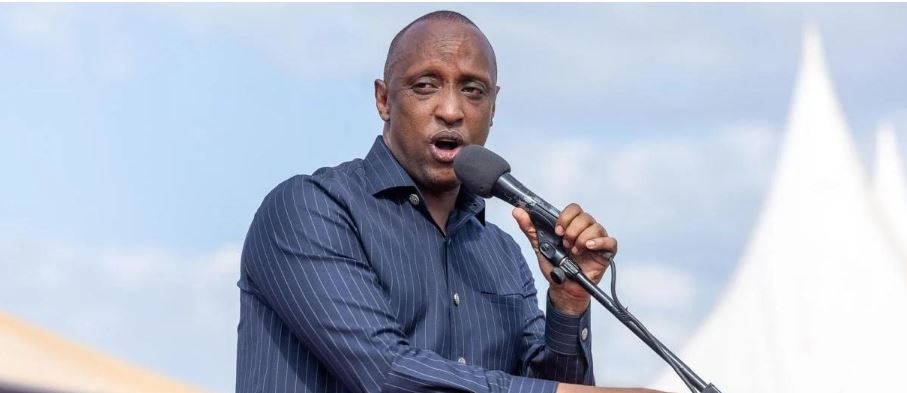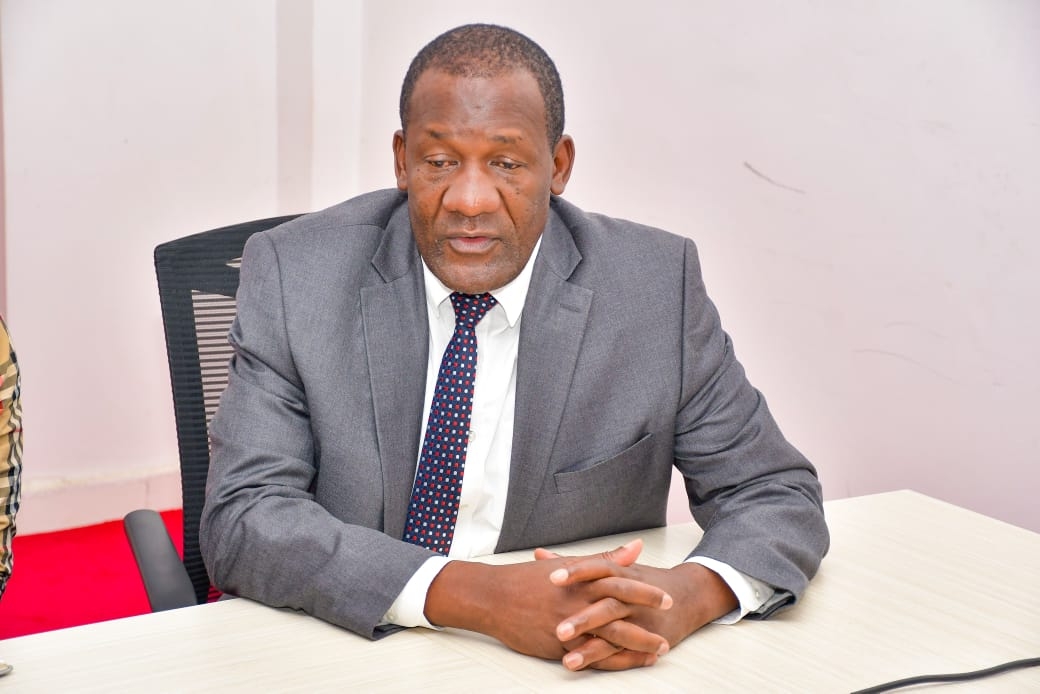


Independent Electoral and Boundaries Commission chairman Wafula Chebukati has been named the incoming president of the Assembly of Association of African Election Authorities (AAEA).
AAEA is a regional network of election Management bodies dedicated to the professionalisation of election administration through information exchange and regional networking.
The Association's General Assembly made the announcement on Thursday.
Chebukati will pick over from Professor Kalisa Mbanda, the chairperson of the National Electoral Commission of Rwanda whose term has come to an end.
The Association was conceived at the Colloquium of African Election Authorities held in Victoria Falls, Zimbabwe in November 1994.
Since then it has developed into an association with 16 full member and six associate member countries.
Kenya, Benin, Burkina Faso, Central African Republic, Gabon, Gambia and Ghana are among the member countries.
Others are Guinea, Lesotho, Liberia, Mali, Nigeria, Senegal, Togo, Uganda and Zimbabwe.
AAEA is known for sending their agents as observers to member countries during general elections.
Its headquarters are based in Accra, Ghana, and have been led by Kwadwo Afari-Gyan, the former chairman of the Electoral Commission of Ghana.
Chebukati has been the chairman of IEBC for three years.
He was nominated by President Uhuru Kenyatta in 2017 and was thereafter confirmed for the position after he was vetted and approved by Parliament.
The IEBC is currently operating with only the chairperson and two other commissioners after four others resigned.
Just days before the October 26, 2017 repeat election, commissioner Roselyn Akombe resigned and fled the country, saying she had received death threats.
In April last year, three others led by vice chair Consolata Nkatha resigned saying Chebukati had failed in offering IEBC leadership.
The other two are Paul Kurgat and Margaret Mwachanya.
In the recently released Building Bridges Initiative, the taskforce has proposed radical changes that will transform the Independent Electoral and Boundaries Commission ahead of the next General Election in 2022.
The changes are meant to enhance the capacity of the IEBC to deliver free and fair elections.
The report proposes to remove all the current commissioners from office and establish a new team ahead of the 2022 polls.