Millions of Africans could be missing out on critical climate information because it is not being communicated in languages they best understand, according to preliminary findings from an ongoing regional study examining how climate change is reported across the continent.
The findings, presented during a recent science media cafe organized by the Media for Environment, Science, Health and Agriculture (MESHA) under the Action Research to Enhance Effective Coverage of Climate Change Issues in Africa project (ARECCCA), suggest that language is emerging as one of the greatest barriers to effective climate communication, particularly among rural and marginalized communities.
The findings revealed that while governments, scientists and journalists have intensified climate reporting in recent years, much of the information still fails to resonate with the people most affected because it is delivered in English or national languages that often lack local context.
ARECCCA which is a collaborative research initiative led by MESHA with support from International Development Research Center (IDRC) brings together journalists from Kenya, Tanzania, Malawi and Zimbabwe to strengthen climate reporting while simultaneously studying how journalism can better serve vulnerable communities.
The project combines newsroom practice with academic research, allowing journalists to test new storytelling approaches as researchers evaluate their impact.
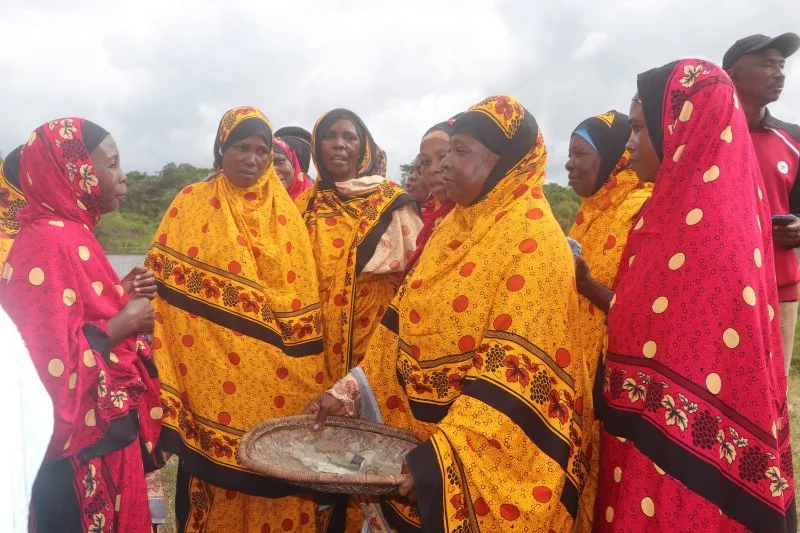
Presenting the preliminary findings, lead researcher Dr Osir Otteng said language should not be viewed merely as a translation tool but as the foundation of meaningful climate communication.
"There is the issue of real understanding, especially translations from English to other languages," Otteng said. "When people understand climate change from their own context, they also understand that it goes beyond the weather. They see its effects on biodiversity, farming, fishing and their everyday lives."
According to Otteng, many rural communities still interpret climate change simply as changing weather patterns because scientific terminology is rarely explained through local experiences.
He noted that older residents often observe disappearing bird species, changing fish stocks and declining indigenous plants without necessarily connecting those changes to climate change.
"When you tell people that because of climate change, we no longer have certain fish or birds, they begin to understand that it is bigger than weather and so, communication justice leads to climate justice,” noted Dr Otteng.
The findings reinforce growing international evidence that local language communication strengthens climate action.
UNESCO has consistently argued that multilingual communication promotes greater public participation in development and environmental programmes, while a 2024 study by the Clear Global organisation emphasises that locally relevant communication is essential for successful adaptation of climate resilience programmes.
The discussion resonated with journalists participating in the fellowship. MESHA Chief Executive Officer Aghan said the findings had exposed an important but often overlooked weakness in climate reporting.
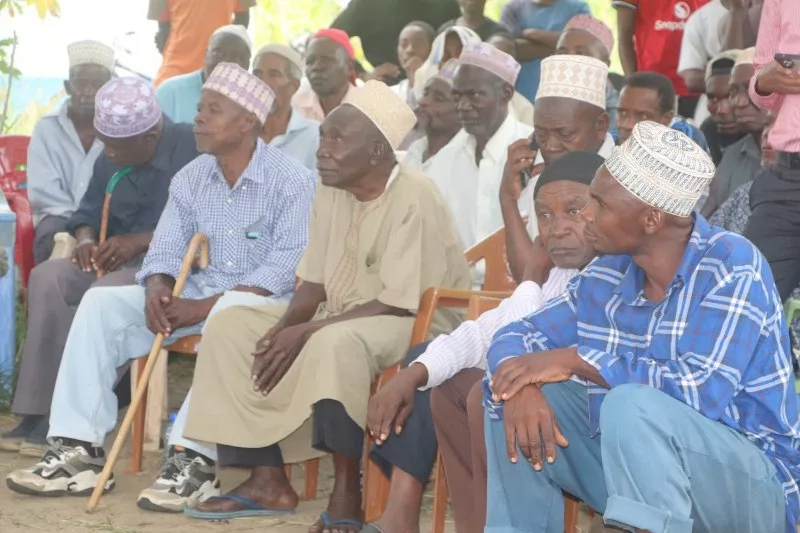
"I think the issue of language could be an opportunity for us to actually look at the issue of language," Aghan posed. "Is it that our languages are also inadequate in a way? And that inadequacy, how then does it impact our reporting on climate change?"
He added that journalists should also ask whether communities genuinely understand what climate change means instead of assuming that repeated exposure to the term automatically translates into public understanding.
One participant and cohort one fellow of the ARECCCA project, broadcast journalist Laura Otieno, noted that the presentation mirrored challenges she encountered while reporting on water scarcity among elderly women in western Kenya.
"The audience can only engage as much as they feel connected to the story that has been told," Otieno said.
She further disclosed that the women she interviewed could not express themselves in any other language other than Dholuo, a local language. This issue left her sceptical about what impact the story would have on the community.
“Looking back, I'm thinking perhaps they are not even able to interact with the story as much because I produced it in a separate language altogether,” Otieno said.
Although language dominated the discussion, the study identified several other gaps in African climate journalism.
According to Otteng, reporting remains largely event-based, with journalists focusing on conferences, official meetings and disasters rather than spending time in communities experiencing climate impacts firsthand.
As a result, stories often rely heavily on government officials and advocacy organisations, while ordinary citizens rarely become primary sources.
The researchers also found that women, young people and persons with disabilities continue to be portrayed mainly as victims of climate change instead of agents of resilience, despite evidence that many are leading adaptation initiatives within their communities.
Limited newsroom resources, inadequate investigative reporting and weak collaboration among journalists, scientists and policymakers were also identified as challenges affecting the quality of climate coverage.
Aghan challenged journalists involved in the fellowship to move beyond routine reporting and produce stories that hold institutions accountable.
"It is not a matter of submitting a story," said the CEO. "It is a matter of how deep one can go."
The ARECCCA findings remain preliminary and will continue to evolve as a second cohort of journalists joins the project before the final report is published in 2028.
Yet the message emerging from the research is
already clear. If climate information is to inspire action, adaptation and
accountability, it must first speak the language of the communities it seeks to
serve.