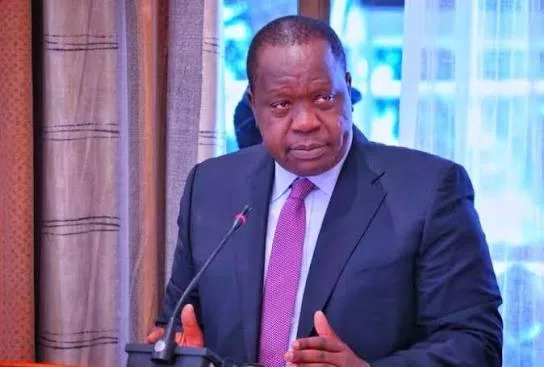
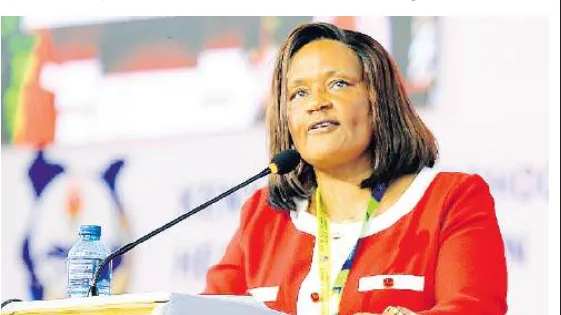
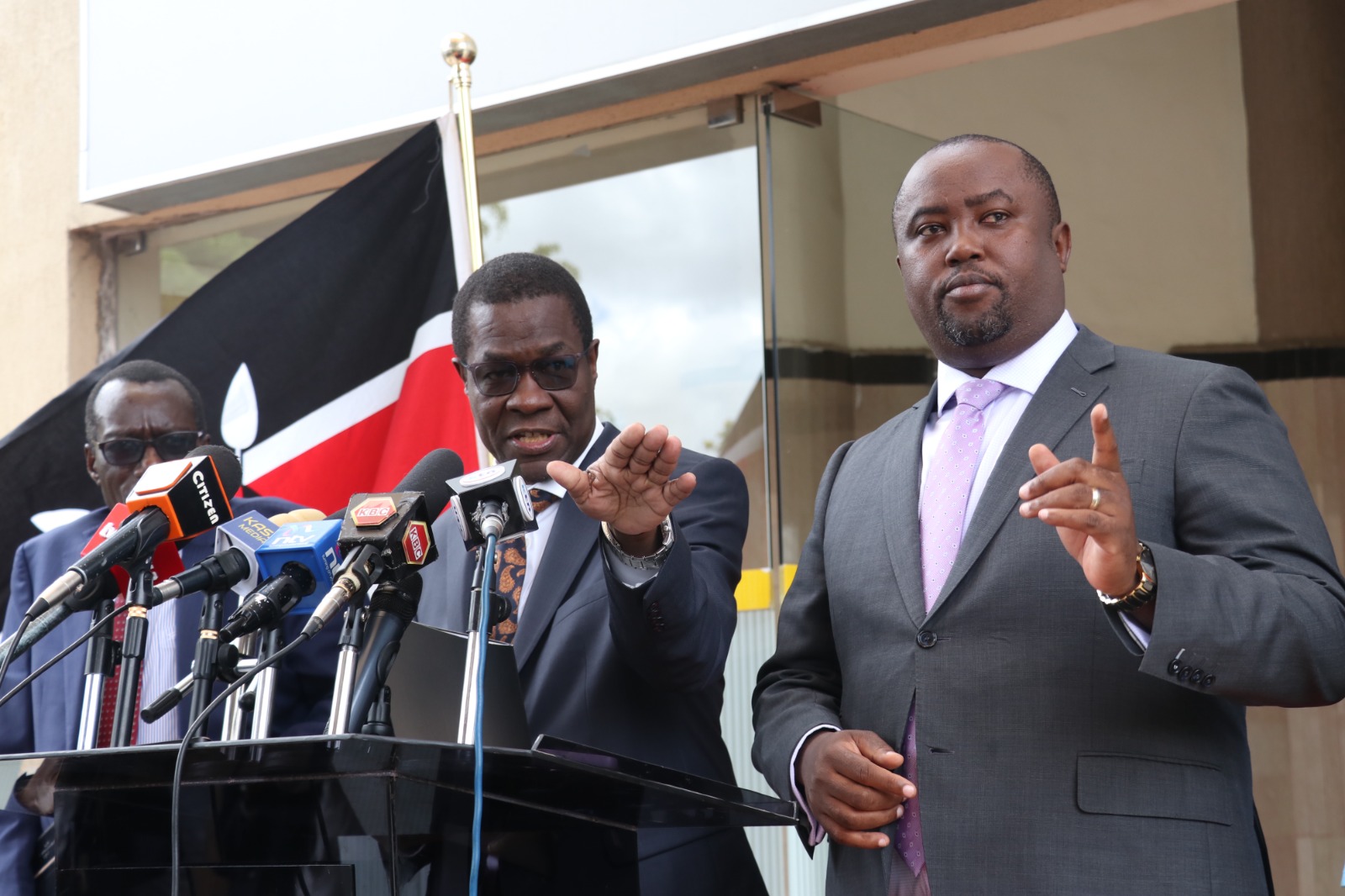
 Energy and petroleum cabinet secretary, Opiyo Wandayi and petroleum principal secretary Alex Wachira, during a press briefing on the electricity tariff review at KAWI Complex, Nairobi on June 3, 2026/LEAH MUKANGAI
Following a spike in inflation and a fresh increase in fuel prices, the government has pulled back a proposed electricity tariff review that threatened to raise power bills for millions of households and businesses.
The move offers a temporary relief to consumers already grappling with the rising cost of living.
The decision, announced by Energy Cabinet Secretary Opiyo Wandayi, halts a tariff review application that had been submitted by Kenya Power on March 31 on behalf of players in the electricity sector.
The application was expected to guide electricity pricing for the 2026-27 to 2028-29 period and could have altered how much consumers paid for power over the next three years.
Instead, the government has chosen to maintain the current tariff structure, citing the need to shield households, businesses and industries from additional financial pressure at a time when inflationary concerns remain high and fuel costs continue to edge upwards.
“Following consultations within government and engagement with key stakeholders in the sector, the retail electricity tariff review application that was submitted on March 31 has been withdrawn,” Wandayi said.
The withdrawal marks a significant policy shift, particularly after the Energy and Petroleum Regulatory Authority (EPRA) had already announced plans for nationwide public consultations on the tariff review. The regulator had initially scheduled stakeholder engagements in May before postponing them to later dates.
For businesses, especially manufacturers, retailers and small enterprises that rely heavily on electricity, the decision comes as a welcome reprieve.
Electricity remains one of the highest operating costs for many firms. Any increase in tariffs would have added to the pressure already being exerted by higher fuel prices, transportation costs, and input expenses.
Many businesses had warned that additional power costs would eventually be passed on to consumers through higher prices for goods and services.
According to the Ministry of Energy, the decision was informed by the need to sustain economic growth, protect livelihoods and support job creation while ensuring the energy sector remains financially viable.
“This decision reflects the need to promote a sustainable energy sector while protecting households, businesses and industries from possible cost escalation,” Wandayi noted.
For ordinary Kenyans, the announcement means monthly electricity bills will remain unchanged for now.
At a time when families are already adjusting their budgets to accommodate higher food prices, transport fares and fuel costs, avoiding another increase in household expenses is likely to be welcomed.
While the proposed tariff adjustments have been shelved, other components of electricity bills remain vulnerable to external market forces. One of these is the fuel energy charge, which fluctuates based on global fuel prices and is adjusted monthly by EPRA.
The withdrawal of the tariff review application effectively freezes the formal review process, including any planned public participation forums.
Under the Energy Act, tariff changes can only be implemented after a structured process involving technical evaluations, stakeholder engagement and public consultations.
Government officials insist the current tariff structure remains sustainable and capable of supporting an uninterrupted electricity supply until a future review is deemed necessary.