These tough tax measures are coming at a time salaries are shrinking, and the cost of living is rising, pushing down general purchasing power by most households.
This will go alongside a major raid on consumers of beauty products and alcohol, with prices of mobile phones and taxes on betting expected to increase.
Digital content creators have also been targeted for taxation in the next financial year starting July 1.
The Finance Bill 2023-24 tabled in Parliament yesterday if passed in its current format, will see adjustments on PAYE for high earners.
For instance, for those earning Sh500,000 and above, the National Treasury is proposing their PAYE be raised to 35 per cent from 30 per cent.
It is also proposing a three per cent deduction of basic salary to go towards the National Housing Development Fund, with the employer expected to match the contribution.
This means an employee earning a basic salary of Sh35,000 will pay Sh1,050 on top of other hiked deductions, including revised National Health Insurance Fund (NHIF) and the National Social Security Fund (NSSF).
The government recently raised NSSF rates, placing an upper limit of Sh2,160 for employees earning above Sh18,000.
In the past eight years, this provision has never been effected due to a series of legal and political setbacks.
It has also increased NHIF rates, a move that will now see a person earning Sh35,000 pay Sh1,060. All this on top of Pay-As-You-Earn of almost 30 per cent of the gross salary.
As the government raises taxes and other statutory deductions, salaries have either stagnated or dropped in companies recovering from a myriad of financial uncertainties led by the Covid-19 pandemic.
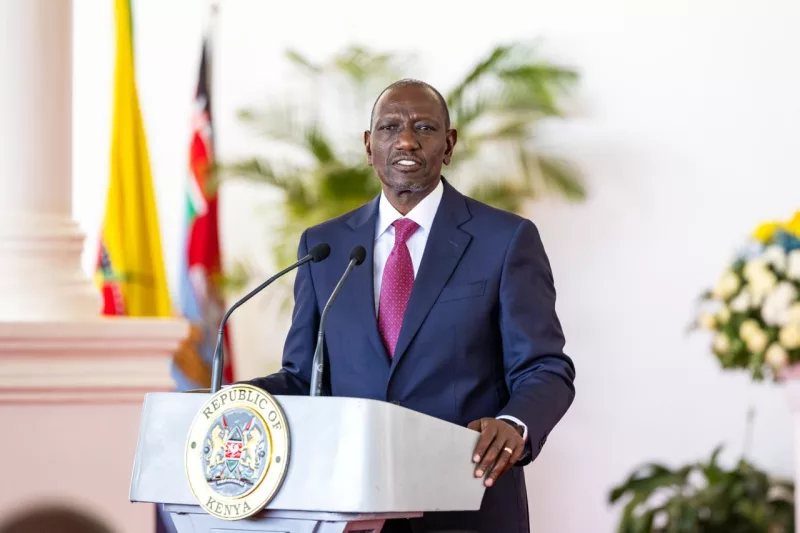
The housing fund is part of President William Ruto's affordable housing agenda, which seeks to erect at least 250,000 units every year.
Furthermore, those earning a monthly salary in the range of Sh500,000 and above will pay five per cent more in PAYE, from the current 30 per cent to 35 per cent.
The inflation rate has remained high above the government threshold of 7.5 per cent, averaging 7.7 per cent in 2022, according to the 2023 Economic Survey.
Prices for both food and non-food items have gone up by 45 per cent in the past decade, pushing the value of Sh1,000 down to Sh550.
The government will also be going after gamblers, manufacturers and consumers of beauty products and alcohol, among other excisable goods.
For instance, prices of human hair, artificial nails, wigs, eyelashes and related products will automatically increase if the Bill is passed, as Treasury has proposed a five per cent duty.
It has also proposed a 10 per cent customs duty on cement clinker. Excise duty on imported cellular phones has been proposed at 10 per cent.
There is also a 15 per cent withholding tax on digital content monetisation that has been proposed which, if passed, will raid content creators, advertisement on websites, social media and brand endorsements, among other players.
Print, TV, billboard and radio adverts are set for a 15 per cent excise duty on content related to betting and alcohol.
Bitcoin and NTFs non-fungible tokens have been defined as assets, hence taxable, at a rate of three per cent on sale.
Meanwhile, Treasury wants foreign entities to deduct VAT refunds from capital tax owed.
This will shield the Kenya Revenue Authority from paying billions owed in tax refunds.
Kenya is yet to clear tax refunds worth more than Sh30 billion backdated to 2015.
The private sector maintains that unpaid refunds interrupt the flow of finances and raise the cost of doing business.
This is because businesses have to fund the VAT deductions with money generated from elsewhere, as they engage KRA on getting their refund claims processed.
Households are however expected to also gain if Parliament passes the bill in its original state, as Treasury proposed to do away with the annual inflation adjustment of excise tax.
This will help tame annual commodity price adjustments. LPG and fertiliser inputs will also be VAT-exempt.
National Treasury and KRA are under pressure on how to raise funds for the next budget, which is an increase from the current financial year’s Sh3.3 trillion.
This comes amid an increase in recurrent expenditure and a reduced development budget for the 2023-24 financial year.
Recurrent expenditure, which includes wages and salaries, will take the lion's share of President Ruto’s first budget, in which the government has projected spending Sh2.5 trillion, up from Sh2.2 trillion this year.
This comes amid an expanded public service, including the recent appointment of 50 Chief Administrative Secretaries.
Development expenditure has been set at Sh689.1 billion (4.2 per cent of GDP), which is a reduction from Sh715.5 billion.
On Wednesday, the President, during a meeting with IMF managing director Kristalina Georgieva, said the government is committed to managing the country’s debt to sustainable levels. Kenya’s debt is Sh9.2 trillion.
The President said the government has cut down on new projects and stopped subsidy programmes that were draining the country’s resources.
He said the government has deliberately invested in agriculture and MSMEs to create opportunities, income, and wealth for as many Kenyans as possible in line with the Bottom-Up Economic Transformation Agenda.
"We commit to staying the course, especially on fiscal discipline and giving priority to projects that will have money circulate," he said.
Treasury has projected revenue collection at Sh2.9 trillion in the financial year 2023-24, an increase from the 2022-23 target of Sh2.5 trillion that KRA.
This is expected to further go up to Sh4.1 trillion (18.3 per cent of GDP) by the financial year 2026-27, as Treasury predicts an upward improvement in the fiscal outturn.
Fiscal deficit is projected at Sh663.5 billion (4.1 per cent of GDP), a reduction of more than Sh450 billion from the current year’s Sh1.12 trillion.
The government is confident of a strong growth this year, projecting an economic growth of 6.1 per cent.
According to Treasury, leading indicators show a strong performance of the Kenyan economy in the first quarter of 2023, reflecting robust activity in the service sector and also in the wholesale and retail trade, accommodation and food services, education and information and communication.
“The growth outlook will be supported by a broad-based sector growth, including continued strong performance of the service sector and recoveries in agriculture, while the public sector consolidates,” Treasury has said.
From the expenditure perspective, private consumption is expected to support aggregate demand, supported by the ongoing labour market recovery, improved consumer confidence and resilient remittances.
Meanwhile, the government under the Finance Bill is keen to boost the tea sector, fish industry by taxing imports, and manufacturing by levying imports on key raw materials and finished goods.
(Edited by V. Graham)