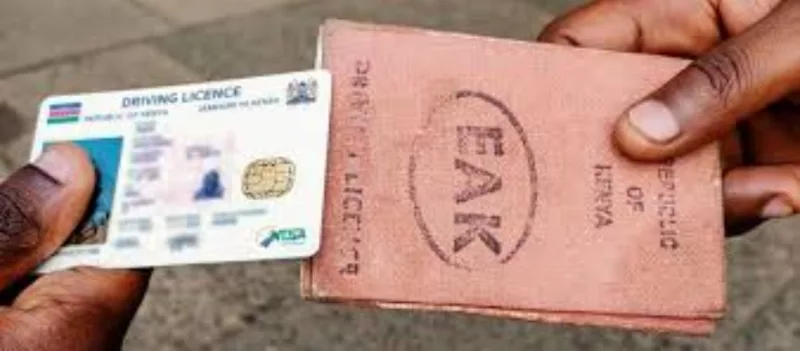
In response to questions from the Star, NTSA acknowledged receiving reports of corruption involving its driver testing processes.
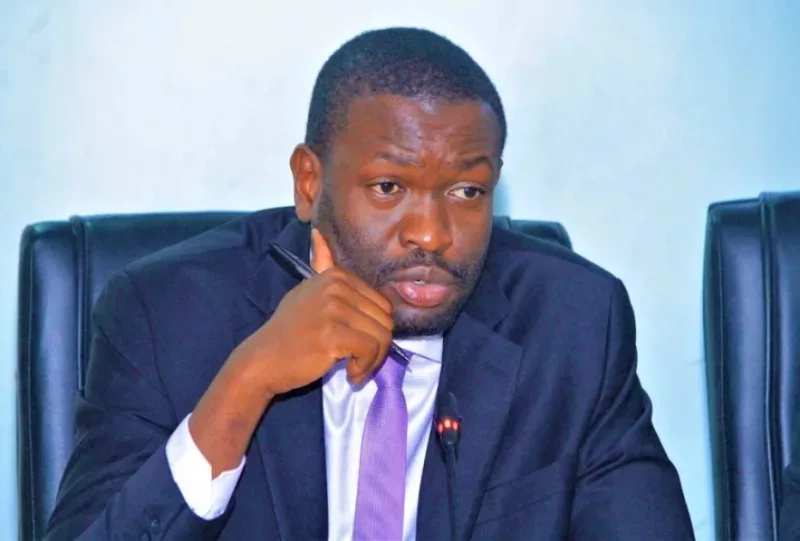
"We have received reports of such allegations. However, the greatest challenge has been getting affected individuals, including students, to come forward and provide information to the Authority," NTSA said in a response attributed to Director General Nashon Kondiwa.
The authority said it is working closely with investigative agencies while maintaining a zero-tolerance policy on corruption.
NTSA urged learner drivers who encounter demands for bribes to immediately report the examiner's name, the test centre, the date and time of the incident, and provide any supporting evidence, including messages or receipts.
To address the problem, the authority said it is rolling out sweeping reforms aimed at sealing corruption loopholes. These include automation of driver testing, centralised and randomised allocation of examiners, regular staff rotations, expanded CCTV surveillance, body-worn cameras for examiners and in-vehicle cameras during practical tests.
The authority also said standardised assessment checklists, continuous examiner training and stronger whistleblower mechanisms are being introduced to restore confidence in the licensing process. Officers found culpable face sanctions ranging from warnings and suspension to summary dismissal in accordance with its human resource policies and applicable laws.
Investigations by the Star have revealed that what was once dismissed as isolated bribery has evolved into an organised network involving NTSA examiners, driving school instructors and brokers who allegedly manipulate driving test outcomes.
The alleged corruption has continued to leave thousands of qualified learners frustrated while also allowing untrained motorists onto Kenyan roads.
Among the centres cited by learners are NTSA's driving test units in Mombasa, Nairobi, Thika and Kisumu, where candidates are allegedly asked to part with cash to secure a pass in practical examinations.
Those who refuse are allegedly failed, sometimes repeatedly, a claim the Star confirmed through interviews with learner drivers in Mombasa and Thika.
"I was asked to pay Sh4,000 to pass the test," said Mohamed Abu, a learner driver from Mombasa.
"When I refused, I failed three consecutive tests despite driving well and being confident about the other parts of the exam. It was only later that I finally passed."
His experience mirrors dozens of complaints shared with the Star by learner drivers who describe an examination process where performance allegedly matters less than a candidate's willingness to pay unofficial fees.
The allegations come despite applicants paying the official Sh1,050 examination fee through the eCitizen platform after completing training at accredited driving schools and obtaining a Provisional Driving Licence.
Candidates are expected to pass both theory and practical examinations with a minimum score of 70 per cent before qualifying for a driving licence.
However, several learners say the official procedures are routinely undermined by corruption, claims that were corroborated by some driving school operators.
Road safety experts warn that the alleged malpractice extends beyond financial exploitation.
By allowing unqualified drivers to obtain licences, they say, the system poses a direct threat to millions of road users.
"It defeats the entire purpose of driver training," said a road safety advocate who requested anonymity because of ongoing engagements with regulators.
"When people buy licences instead of earning them, they become a danger not only to themselves but to every motorist, passenger and pedestrian."
The problem extends beyond private motorists. Investigations have also revealed allegations that politicians have, over the years, facilitated the acquisition of driving licences for matatu crews, particularly in Nairobi.
"I got my licence facilitated by an MCA. I have never been to a driving school," a matatu crew member in Umoja told the Star, adding that more than 10 of his colleagues had also obtained licences through similar arrangements.
Young men reportedly learn basic driving informally at public fields and bus termini before obtaining licences through corrupt networks without attending accredited driving schools or undergoing proper testing.
Industry players say the practice has contributed to reckless driving within the public transport sector, where PSV crashes continue to claim hundreds of lives annually.
Last year, the Directorate of Criminal Investigations (DCI) launched investigations following complaints and whistleblower reports linking NTSA officials to corruption in driver testing.
The probe also uncovered claims that some driving schools were bribing examiners to ensure incompetent learners passed practical examinations.