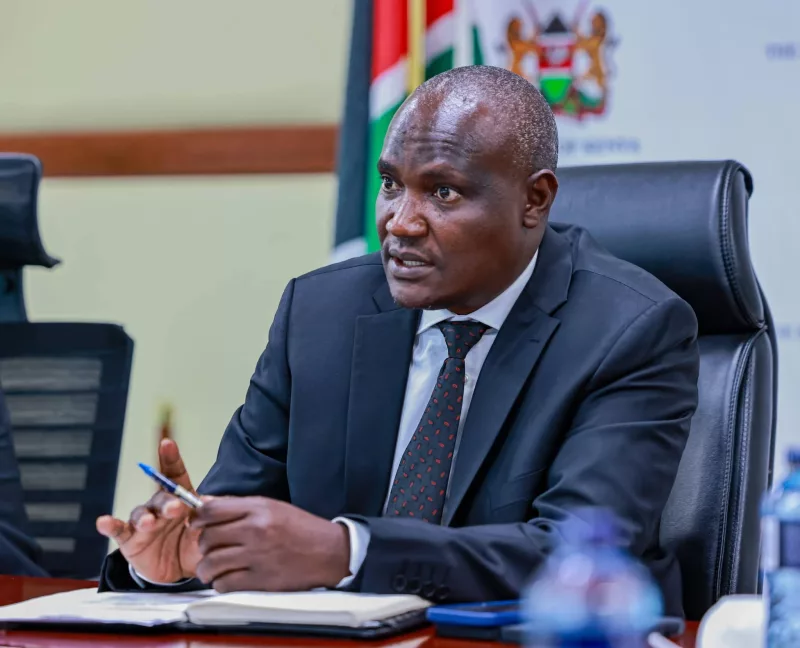
 Kenya Association of Music Producers (KAMP) chairperson Angela Ndambuki /HANDOUT
The Kenya Association of Music Producers (KAMP) has strongly opposed the suspension of its operating licence by the Kenya Copyright Board (KECOBO).
In a statement, it described the regulator's decision as unfair and ill-timed, especially as both parties were engaged in discussions aimed at resolving outstanding issues.
In a statement, KAMP said it was "dismayed and deeply concerned" by the suspension, arguing that the move undermines ongoing efforts to strengthen collaboration between collective management organisations and the government.
The organisation also rejected allegations of embezzlement levelled against it by KECOBO in a public notice issued on July 1, insisting that it had never been asked by the regulator to account for any allegedly misappropriated funds.
KAMP said it only became aware of the allegations through the public notice and has since formally requested KECOBO to provide evidence supporting the claims. It maintained that it remains ready to engage constructively with the regulator in the interest of its members and other stakeholders.
The lobby further noted that on June 23, it signed a Service Level Agreement (SLA) with the eCitizen platform for the collection of music royalties, an event attended by the KECOBO Chairperson and the Acting Executive Director.
According to KAMP, the partnership demonstrates its commitment to improving transparency, accountability and collaboration in royalty collection.
The organisation said the current dispute stems from governance and operational concerns raised by KECOBO in a letter dated May 14, 2026. KAMP said it responded four days later, submitting all the documents requested by the regulator.
It maintained that it complied with regulatory requirements by submitting its royalty distribution schedule on June 16, before any payments were made. The organisation argued that the alleged embezzlement was never mentioned in KECOBO's earlier correspondence or during the submission of its routine quarterly reports.
KAMP also faulted the process leading to the suspension, saying KECOBO neither substantively considered its response nor granted it a hearing despite its formal request, contrary to the principles of fair administrative action.
While reaffirming its support for the government's eCitizen joint licensing initiative, KAMP clarified that its concerns relate to the proposed allocation of music licensing tariffs among collective management organisations.
The organisation argued that the proposed framework allocates only four tariff categories to KAMP while assigning 20 categories to another collective management organisation, a move it says would significantly reduce its revenue base and threaten its ability to fulfil its statutory obligations.
KAMP warned that the proposed tariff structure could undermine its operational sustainability and ultimately affect royalty collections and distributions to Kenyan artistes, producers and international rights holders it represents.
Despite the dispute, the organisation said it remains committed to resolving the matter through dialogue, in line with the Copyright Regulations 2020 and international best practices under the World Intellectual Property Organisation (WIPO).
It has also assured its members that protecting their rights and interests remains its highest priority as it seeks an amicable resolution with the regulator.