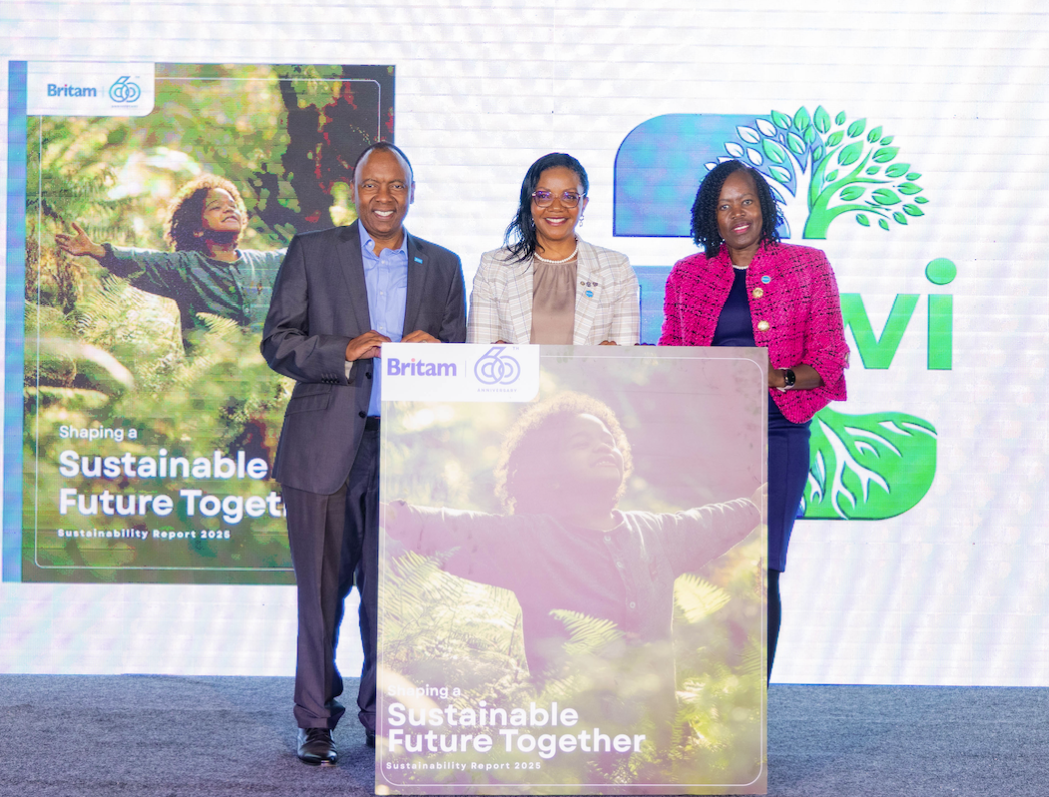
Britam paid out Sh97.3 million in insurance claims last year to
help more than 400,000 farmers and pastoralists recover from drought and other
climate-related losses.
This highlights the growing financial toll of extreme weather
across East Africa.
According
to the insurer’s 2025 Sustainability Report, a total of 402,681 farmers and
livestock keepers in Kenya, Uganda and Tanzania received support through crop
and livestock insurance programmes designed to cushion vulnerable communities
against increasingly erratic weather conditions.
The
bulk of the payouts went to crop farmers, who received Sh80.4 million in claims
after adverse weather conditions affected harvests.
The number of farmers covered under Britam’s crop insurance
programme rose sharply by 83 per cent, from 161,521 in 2024 to 294,799 in 2025,
reflecting growing demand for protection against climate-related risks.
The
insurance products rely on satellite data and pre-agreed weather thresholds to
trigger compensation, allowing claims to be processed more quickly than
traditional insurance models.
Such products have become increasingly important as farmers face
prolonged droughts, irregular rainfall and shifting planting seasons that
continue to disrupt food production across the region.
Pastoralists
also felt the effects of harsh weather conditions. More than 107,000 livestock
keepers were covered under Britam’s livestock insurance programme, with Sh16.9
million paid out to affected households.
The cover helps herders recover from losses linked to drought
and pasture shortages, which have become more frequent in parts of East Africa.
Beyond
insurance, the report points to a growing focus by corporations on
environmental conservation as climate concerns move higher on business agendas.
Britam
commissioned a solar power installation at its Nairobi headquarters in October
2025, a move expected to supply more than half of the building’s electricity
needs.
The project is projected to generate 390,000 kilowatt-hours of
clean energy annually while reducing carbon emissions by nearly 200 tonnes each
year.
The
company also expanded its reforestation activities through the Britam
Foundation, planting 86,000 trees in the Mt. Elgon Water Tower and restoring
more than 444 acres of degraded land.
The initiative supported the creation of 1,358 green jobs in
surrounding communities and forms part of a broader target to plant 60 million
trees by 2030.
In
a bid to improve accountability in conservation projects, Britam introduced a
digital platform known as TAWI in May this year.
The system tracks and verifies tree-planting activities in real
time, helping monitor survival rates and environmental impact.
The
report also highlighted social and governance indicators. Through its Lea Mama
maternal health programme, more than 3,300 mothers were enrolled in 2025, while
the company reported zero corruption incidents across its operations.
Britam further contributed Sh3.1 billion in taxes across its
seven African markets during the year.
The figures underscore how climate resilience, environmental conservation, and governance are becoming increasingly intertwined with business performance as companies navigate rising sustainability expectations from investors, regulators and communities.