Majority of
Kenyans are unsure whether the government deserves to be trusted with their
taxes, holding the view that it is okay to avoid taxes if there is no visible
development.
According to a taxpayers’
perception survey for 2025, Kenya is not a country of people running from
taxes. If anything, Kenyans are willing, deeply willing to finance their
nation’s development.
The findings of
the survey paint a stark picture of a widening "trust deficit," where
citizens feel their patriotism is being punished by misuse, waste and a lack of
visible results from their tax payments.
The findings
indicate that the social contract is under severe strain. Nearly half of
Kenyans (48.6per cent) believe avoiding taxes is understandable if the
government fails to deliver services, signaling that compliance is conditional
on visible accountability.
The survey by
National Taxpayers association shows that 70.7per cent of Kenyans prefer
raising domestic taxes to relying on foreign loans.
“This reflects
strong fiscal self-reliance and national sovereignty values. However,
persistent tax protests and skepticism highlight that resistance to taxation
stems more from poor service delivery, corruption and lack of accountability
than unwillingness to pay,” said National Taxpayers Association CEO Patrick
Nyangweso.
The findings
portray a picture that for many citizens, taxation is not the problem, misuse,
waste and the silence after the money leaves their pockets is.
NTA notes that tax
morale is slowly collapsing under the weight of a widening trust deficit.
But the same
Kenyans who support domestic resource mobilization overwhelmingly believe the
government does not use their taxes transparently.
An estimated 68
per cent say public spending is “not transparent” or “completely not
transparent.” Showing that Kenyans are willing to shoulder the burden, yet feel
punished for their patriotism.
Such is the
feeling of Grace Mugo a small shop owner in Kawangware, she barely makes
Sh1,200 on a good day. She sells airtime, sugar, flour and a few loaves of
bread. Everything is taxed.
On paper, Mugo is
contributing to nation-building, but she says she cannot point to a single
government service she receives.
“I don’t refuse to
pay taxes,” she says softly, leaning against her kiosk. “But what are we paying
for? The school is still full, the clinic has no medicine, the garbage stays
two weeks before collection. You start feeling like the money disappears somewhere.”
The survey echoes
her concern, with 51 per cent of Kenyans now saying that they do not understand
how the national government uses tax money, even of greater concern is the
majority 75.1 per cent who say they have no idea how counties spend their
revenues.
The failure to
link taxes with government services has seen nearly half of Kenyans (About 48.6
per cent) polled feeling that it is right to avoid taxes if no services are
being rendered.
Nearly half the
country feels morally justified in withholding payment—not out of stubbornness,
but self-protection.
“There is a nearly
even split in attitudes toward taxation and government accountability. About
48.6per cent of respondents felt that avoiding taxes is understandable when the
government fails to deliver good services, while 47.8per cent viewed paying
taxes as a civic duty regardless of service quality,” the report says in part.
“This split
validates the philosophical tension captured in the survey. It confirms that
Kenyan compliance is conditional (aligned with the Benefit Theory), rather than
inherently.”
For people like
John Oduor, a boda rider in Nairobi, taxes feel like punishment without reward.
“The government has
never helped me, even here in the CBD we are sometimes forced to pay askaris to
operate yet they do not want to even set designated parking spots ” he says
bluntly.
“When they stop
me, it’s not to teach me anything it’s to demand. Every year it’s a new levy, a
new form, a new rule. But I’m still the one buying fuel at high taxes, fixing
potholes with my own money and paying my own hospital bills.”
He pauses, then
adds something telling, “If I saw what
they do with it, I wouldn’t complain. But you can’t tell me to sacrifice when
you are not sacrificing too.”
His words mirror
the report’s core insight, tax compliance in Kenya is conditional—not
automatic. Citizens want to trust the government, but they need proof that the
system is not rigged against them.
The report notes
that only 48.6 per cent of respondents believe they have received any
tax-funded services at all. Nearly half of Kenyans feel disconnected from the
benefits of their own contributions.
And that
disconnect grows sharper with lower education levels. Among Kenyans with no
formal education, only 23.86 pe cent recognise any tax-funded service they
receive.
This means
millions of citizens, especially the poor cannot see the value of the money
they are required to surrender.
The findings confirm
what most Kenyans already know instinctively, VAT is the most experienced tax,
at 53.3 per cent.
It is embedded in
everything bread, soap, transport, fuel, sugar. It is the silent tax, the
unavoidable one, the one that hits hardest when you are poor.
But VAT is also
the tax least associated with services, for instance a mother buying a taxed
loaf of bread does not connect that money to a road in Isiolo or a dispensary
in Kiambu.
Compounding the
problem is a critical communication gap. Only 12.2 per cent of Kenyans have
ever attended tax or governance training and 42 per cent find tax information
difficult to understand, leaving millions to navigate a complex system without
guidance.
“Most respondents
rely on social media (33 per cent), WhatsApp groups (19.7per cent), TV (16.0per
cent) and radio (10.2 per cent) for information about taxes and the Finance
Bill, indicating that digital and mass media are key tools for public
engagement,” the report reads.
But according to
the report, only 17 people nationwide received feedback out of 1,369
respondents, confirming their views were considered during the 2025 finance
bill public participation.
It confirms what
many people feel: public participation is performative, almost ceremonial. The
decisions feel pre-made. The consultations feel symbolic.
According to the
findings, this is why the 2024-25 Finance Bill protests turned into a national
movement. Kenyans were not just rejecting tax proposals, they were rejecting a
system that does not listen.
And yet, despite
frustration, pain and distrust, most Kenyans still believe in the purpose of
taxation, with 84.8per cent saying taxes are critical for the country’s
success.
It means the
government is not facing a hostile population, it is facing a wounded one.
If transparency
improves, if communication becomes clearer, if citizens see services matching
their sacrifices, the willingness to comply will rise again.




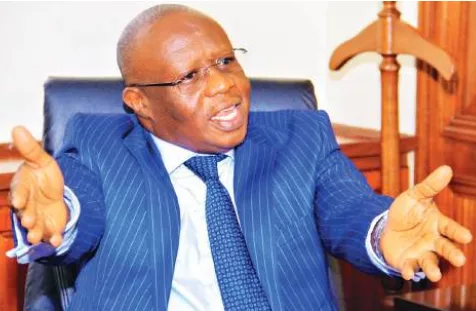
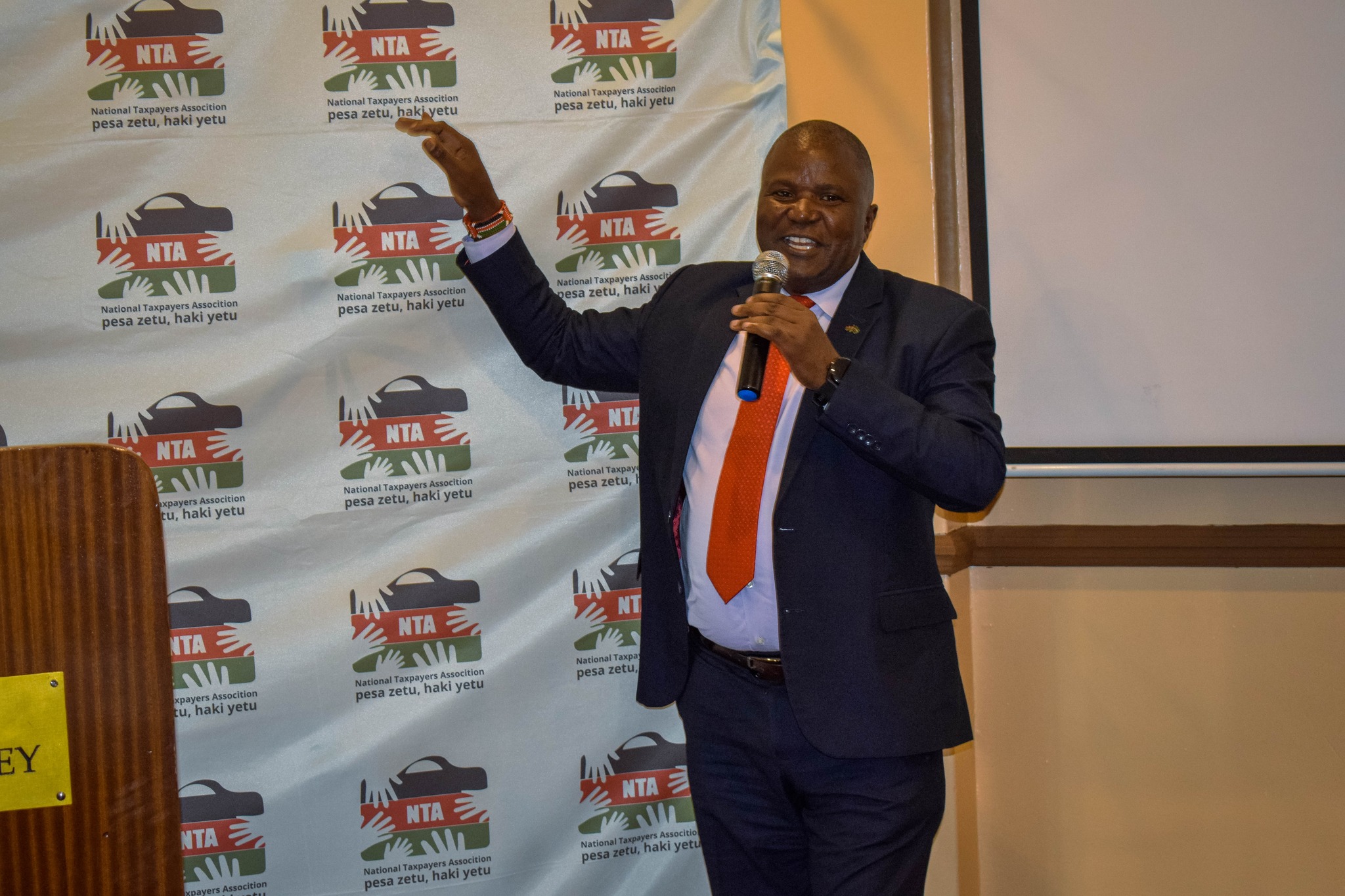 National
Taxpayers Association CEO Patrick Nyangweso/FILE
National
Taxpayers Association CEO Patrick Nyangweso/FILE