The insurance
industry has reported a sharp fall in profits in the second quarter of
2025, triggered by a Sh17 billion increase in claims, mainly medical
and motor.
Despite robust
growth in premium collections, the industry’s net profits dropped to Sh12.8
billion from Sh16.7 billion in the same period last year.
Latest Insurance Regulatory Authority data shows that total
claims and policyholder benefits across general, long-term, and micro-insurance segments rose by 16 per cent to Sh123 billion, up from Sh106 billion in Q2 2024.
This spike eroded
the bottom line, even as total premiums jumped 13.4 per cent to Sh241.3 billion
compared to Sh212.8 billion a year earlier.
The biggest drain
on insurer revenues came from the general insurance segment, where claims
incurred climbed to Sh55.1 billion from Sh51.8 billion in Q2 2024.
“General Insurance
Business remained the largest contributor to industry insurance premium
contributing 53.8 per cent of the total premium. Medical and Motor classes of
business account for 67.6 per cent of the gross premium income under the
general insurance business,” IRA said in the report.
Medical insurance
continued to account for nearly half of all claims (49.4per cent), followed by
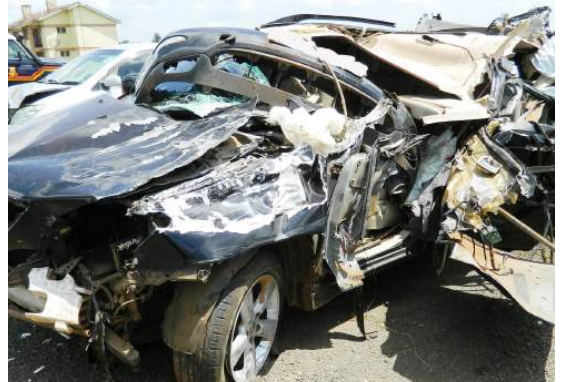
motor commercial (20.4per cent) and motor private (20.2per cent) classes.
Together, the two
motor classes contributed more than 40 per cent of industry claims despite
generating just a quarter of premium income, pointing to a persistent
underwriting loss in these lines.
Medical claims
alone surged by 16.9 per cent to Sh27.2 billion, as the government continued to
push for adoption of the Social Health Authority, reflecting rising healthcare
costs and increased utilisation of health covers.
The loss ratio for
the class stood at 81 per cent, well above the industry average of 73 per cent,
putting a stress on the strain on margins.
In the long-term
insurance segment, claims and policyholder benefits rose even more steeply up
34.6per cent to Sh67.6 billion from Sh50.2 billion.
The spike was
mainly attributed to higher payouts on life policies and group life covers.
The industry’s
gross premium income expanded by double digits as more Kenyans took up
insurance covers, with net premiums rising 21.9 per cent to Sh196.8 billion.
Investment income
also provided a cushion, climbing 24.2 per cent to Sh77 billion, helped by
strong returns from government securities which dominate industry portfolios.
But the positive
revenue trend was outweighed by surging obligations. Management expenses rose
15.3 per cent to Sh32.9 billion while commissions to intermediaries jumped 50.4per
cent to Sh11.7 billion.
The combined
impact of higher claims, expenses, and commissions cut profit before tax to
Sh15.6 billion, down 30 per cent from Sh22.4 billion in Q2 2024.
“The increase in
gross premiums shows improving insurance uptake, but the claims environment is
deteriorating faster than revenues are growing,” IRA noted in the report.
Reinsurers were
not spared by the turbulence. Their overall profit after tax, though positive
at Sh2 billion, reflected only a modest recovery from last year.
The general
reinsurance segment saw incurred claims ease slightly to Sh7.3 billion, but net
premium income fell 6.8 per cent to Sh14.5 billion. Operating profit for
general reinsurers slipped by 8.3 per cent to Sh3.06 billion.
When reinsurers’
results are factored in, the industry’s total after-tax profit shrank to Sh14.8
billion from Sh16.7 billion a year earlier — an 11.5 per cent decline.
The sector’s
balance sheet expanded despite the earnings pressure. The total asset base grew
18.4 per cent to Sh1.37 trillion in the period, while liabilities rose nearly
20 per cent to Sh1.12 trillion.
Investments in
government securities surged 20.3per cent to Sh856 billion, reinforcing their
dominance as the preferred low-risk asset class.
Shareholders’
funds increased 12.7 per cent to Sh91.3 billion in general insurance and 9.6per
cent across the wider industry, signaling continued capital strengthening in
line with regulatory requirements.
The report shows motor
and medical insurance which together account for the majority of premiums remain
chronically loss-making due to rampant fraud, high medical inflation and weak
pricing discipline.
At the same time,
complaints from policyholders remain high. IRA said it received 423 complaints
in Q2 2025, with general insurance accounting for nearly 80 per cent of the
grievances.