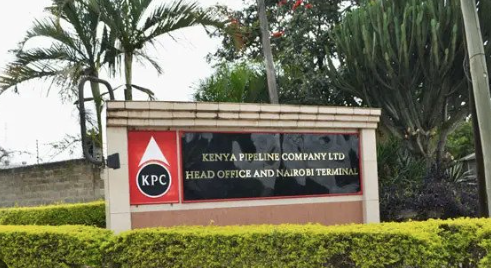
The mystery surrounding the actual value of Kenya Pipeline Corporation continues to deepen ahead of its planned sale, with members of Parliament warning that the figure in the public domain
may not be the current valuation.
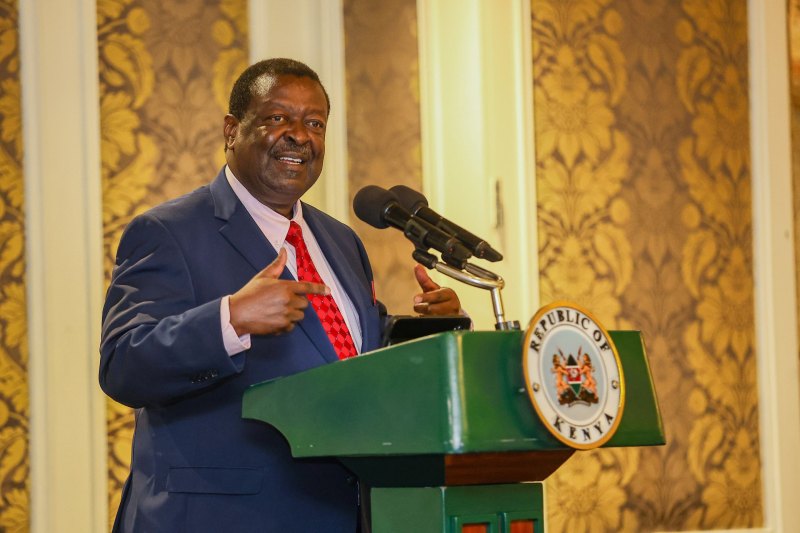
This is after Treasury Principal Secretary Chris Kiptoo on Wednesday failed to provide a clear current
valuation for the Kenya Pipeline Company (KPC), leaving MPs questioning the
basis for a planned partial privatisation.
Appearing before
the Energy and the Committee on Public Debt and Privatisation, Kiptoo said the latest audited financial
statements place KPC’s book value at about Sh120 billion.
However, he
admitted that no updated independent market valuation had been carried out
ahead of the planned sale, and that such an exercise would only take place after
Parliament approves the transaction.
This raised
concerns from the lawmakers over whether the government could justify its
revenue target for the transaction without a fresh appraisal.
The lawmakers
warned that proceeding without a current market valuation risked undermining
public trust in one of the Kenya Kwanza government’s flagship privatisation
deals.
Kinangop MP Zachary Kwenya questioned how the government could seek to raise more
from the deal, yet the company is valued at Sh120 billion.
“Has actual valuation been done within the last three years? Including
an appreciation of assets because some appreciate and there are
those that are depreciating. That is what we are looking at. Based on that, we
will be able to know the true value of KPC,”
said Kwenya.
Lawmakers
questioned the credibility of seeking Sh149 billion from a company whose last
stated value is significantly lower.
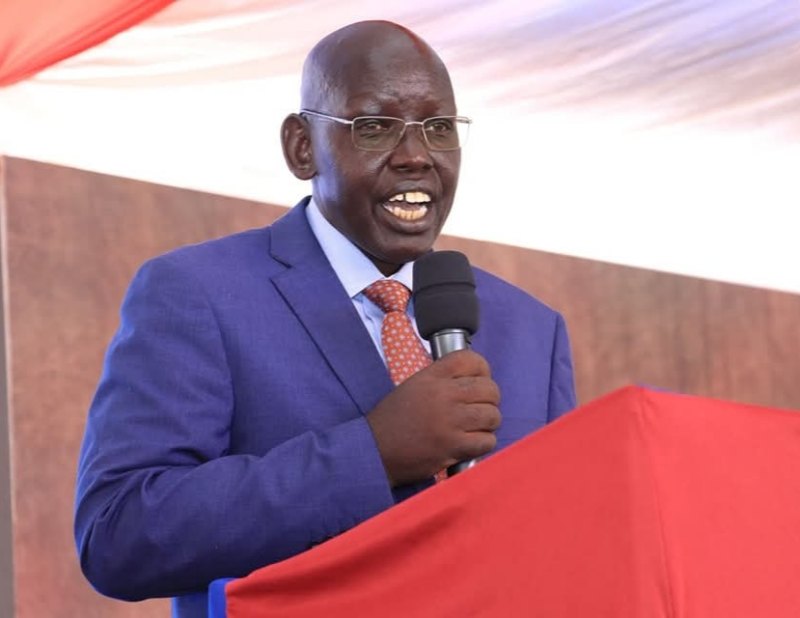
“We cannot proceed based on book value alone,” said Baringo North MP Joseph Makilap,
calling for the most recent valuation report to be tabled before any sale.
Ijara MP Abdi Ali Abdi further pressed Kiptoo on the fate of the
government-to-government (G-to-G) fuel import arrangement should KPC pass into
majority private ownership.
“We have what is called G2G model of fuel importation
in this country. What will be the fate of the government-to-government fuel tender,”
asked Abdi.
While maintaining
that the deals such as G-to-G will still hold, Kiptoo assured MPs that Kenyans
and regional partners, including Uganda, could be given preferential access to
shares, with the Privatisation Commission responsible for setting the
allocation criteria.
“There will be an allocation criterion, after you approve it, the
privatisation commission will work on the criteria on how to allocate on
classes of investors, there will be those who are in the insurance
industry, ordinary Kenyans that will be provided in the coursework,” said
Kiptoo.
The legislators further
sought clarity on whether private ownership, particularly by foreign
investors, could dilute national control over key assets.
“We want to know
how government agencies such as EPRA will still be regulating prices, if Uganda
decides to buy the 50 per cent of the shares,” paused Kwenya.
Kiptoo in his defense
argued that other state agencies have been privatised and yet
the shareholders have not been influencing what happens in the market.
He maintained that
the proposed sale, allowing the State to offload up to 65 per cent of its stake, would help plug budget deficits without increasing public debt.
However, the PS
sidestepped repeated requests to confirm when KPC’s assets were last
independently valued, promising only to provide the latest report before the
sale proceeds.
The government has
budgeted to raise Sh100 billion through privatisation this financial year to
fund development priorities and settle part of the Sh571 billion in verified
pending bills.
KPC is among the
flagship assets earmarked for the privatisation programme.