You
will need to take a picture of yourself carrying your national Identity card if
you want to register as a gambler in the country.
This and increased capital requirements are
among the reforms that the Betting Control and Licensing Board is pushing for
in a massive crackdown aimed at reducing the number of betting companies.
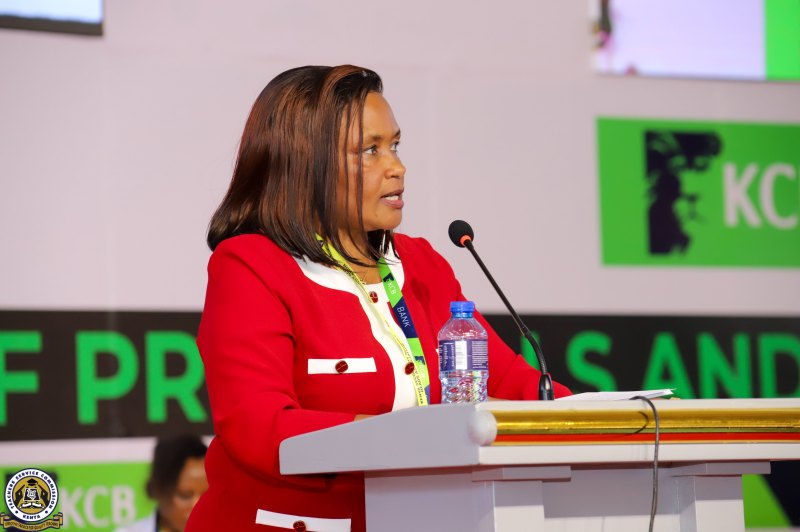
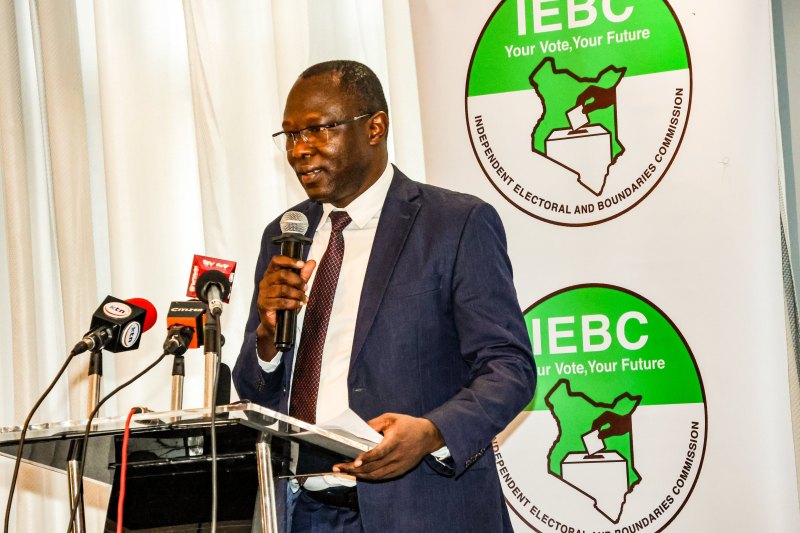
BCLB Director Peter Mbugi said the Board is
seeking to introduce stricter licensing conditions, including higher capital
requirements and tighter operational standards, to curb easy market entry by
betting firms.
Under the proposed reforms, betting firms
would be required to demonstrate significant capital investment before
receiving operating licenses — a move aimed at limiting speculative entrants
and enhancing consumer protection.
“For a small-scale betting shop (Muaka), we
are proposing a minimum capital investment of Sh50 million. For public gaming
operators such as casinos, the proposal is to raise the requirement to Sh5
billion,” Mbugi told the National Assembly’s Departmental Committee on Finance
and Planning.
The country has
been grappling with gambling addiction partly attributed to the growing number of
betting companies with the regulator licensing over 236 companies in 2024.
This even as BCLB
and the Communications Authority of Kenya flagged down additional 106 gambling
websites in the past one year.
Appearing before the
committee session, chaired by Kitui Rural MP David Mboni, the director said that currently,
application fees stand at Sh10,000, with annual license fees ranging between
Sh400,000 for small operators and up to Sh1 million for larger firms.
Homa Bay Town MP
Peter Kaluma supported the push to raise the capital requirement, arguing that
these relatively low fees have contributed to the proliferation of betting
firms, many of which lack robust financial or technical capacity.
“The concern is
not just about revenue, but also the public good versus public harm. We need to
ensure that gambling is not contributing to societal decay,” Kaluma said.
Mbugi added that the
new proposals aim to reduce the number of operators by setting financial and
operational thresholds high enough to attract only serious investors.
For instance,
online betting firms will be required to show access to at least Sh200 million
in capital, while national lottery operators could face a Sh200 million
threshold as well.
On the operations
of Aviator in the country, the committee also raised questions about the
software licensing arrangements used by betting companies and whether these
arrangements have tax implications.
Mbugi confirmed
that the software suppliers are sometimes third-party entities, and clarified
that such relationships will be scrutinised in the new regulatory regime.
For new punters
joining the betting platforms, they will now be required to take a picture with
their ID as the regulator raised concerns with minors using their parents’
identity to access betting sites.
MPs expressed
worry about the social costs of unregulated gambling, including addiction,
poverty, and exposure of minors to betting content.
BCLB acknowledged
that some of its policy frameworks are outdated and not able to adequately
regulate the changing gambling industry.
The BCLB director
admitted that existing laws, including the Betting, Lotteries and Gaming Act of
1966, are outdated and that the sector has largely been operating under
outdated legal provisions and standard operating procedures.