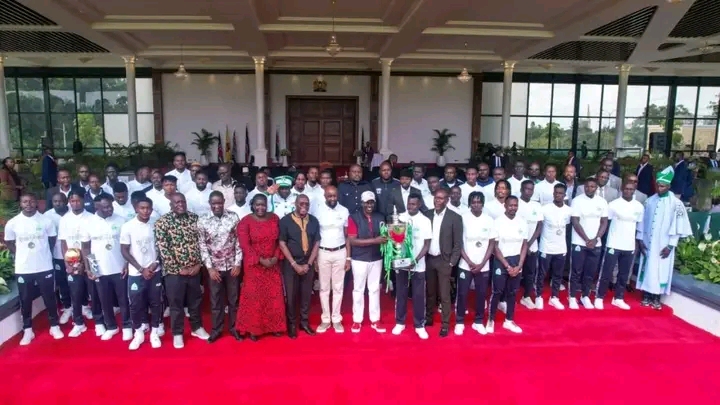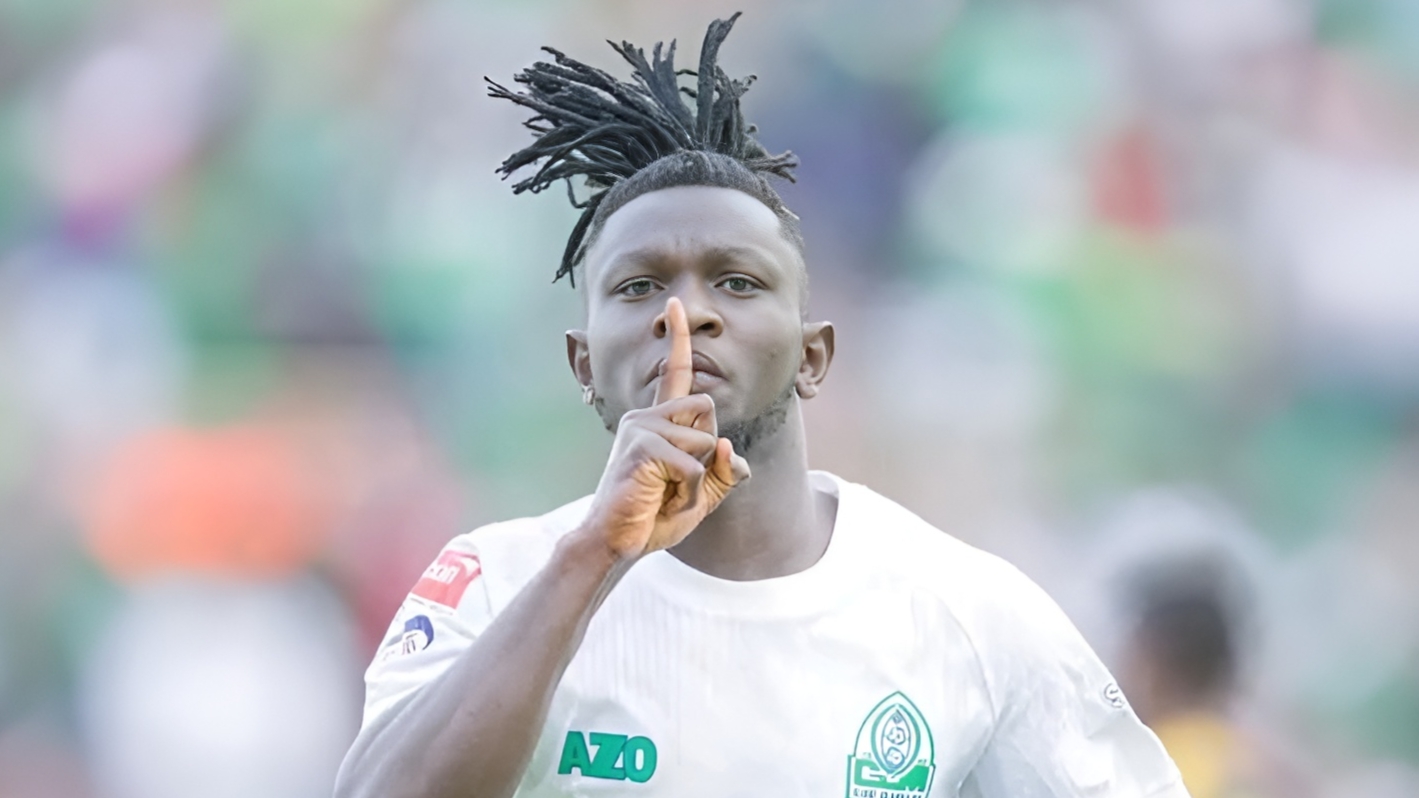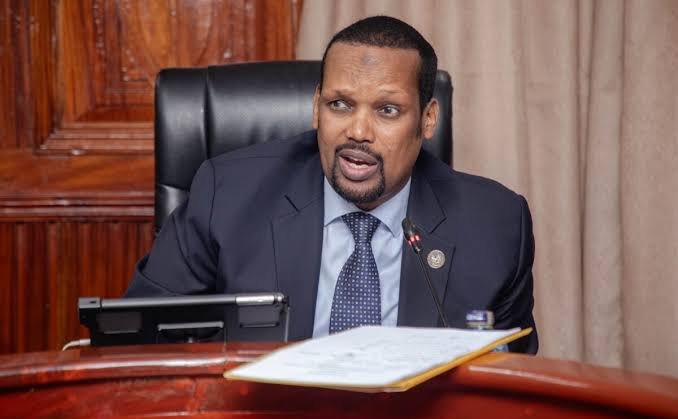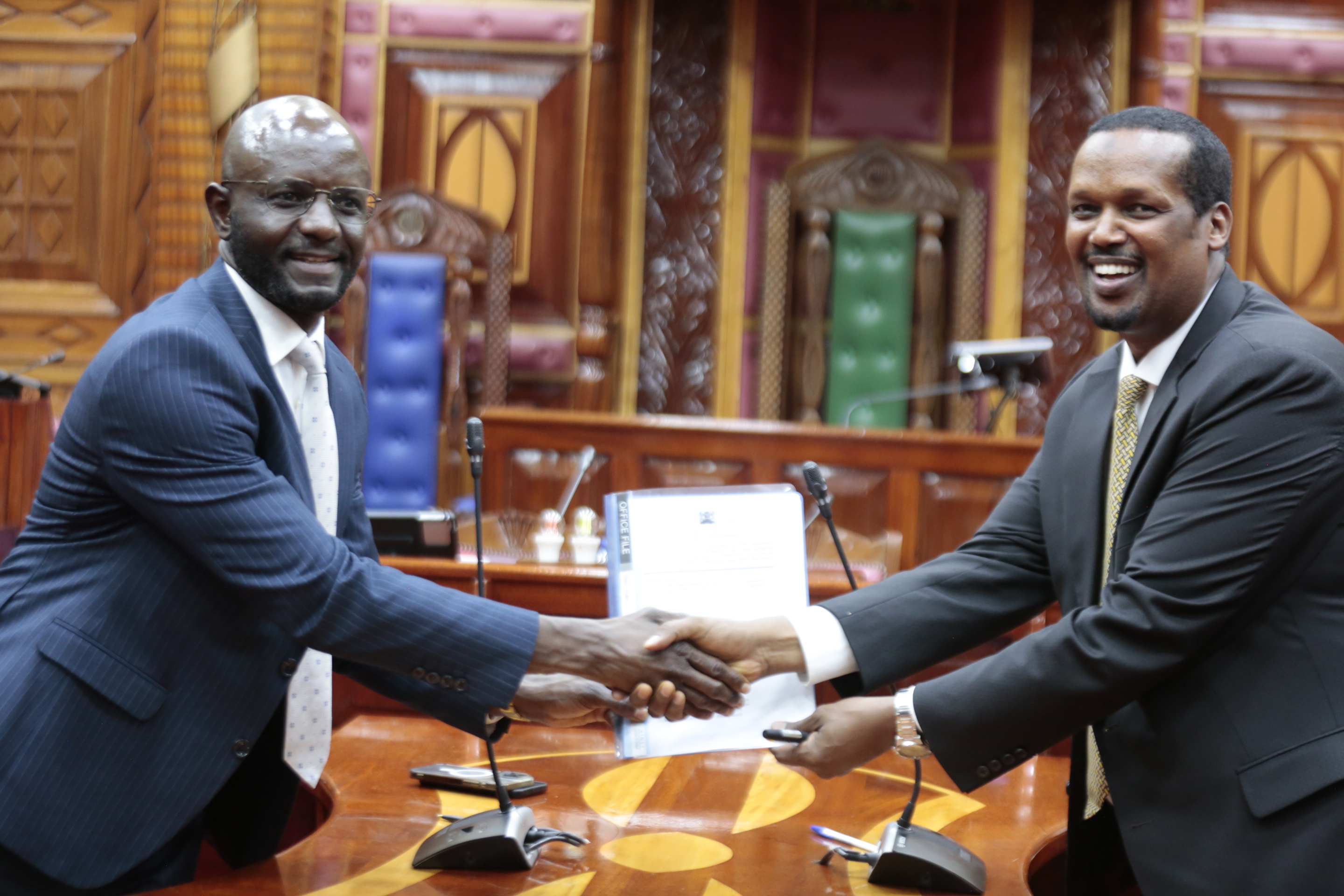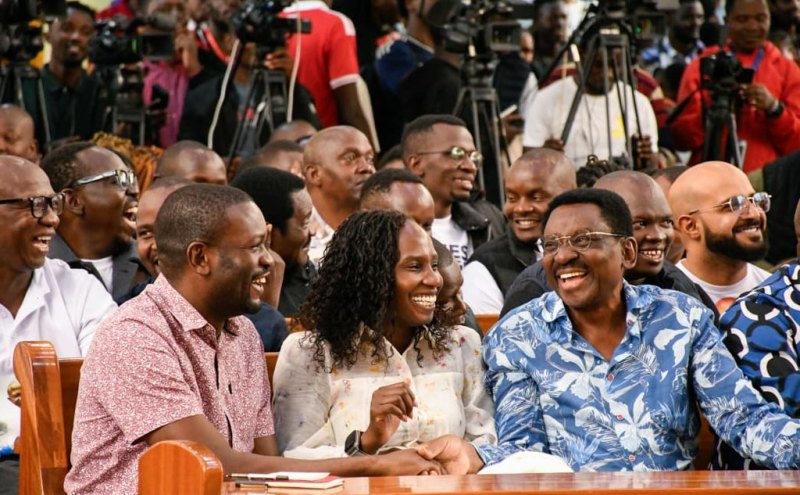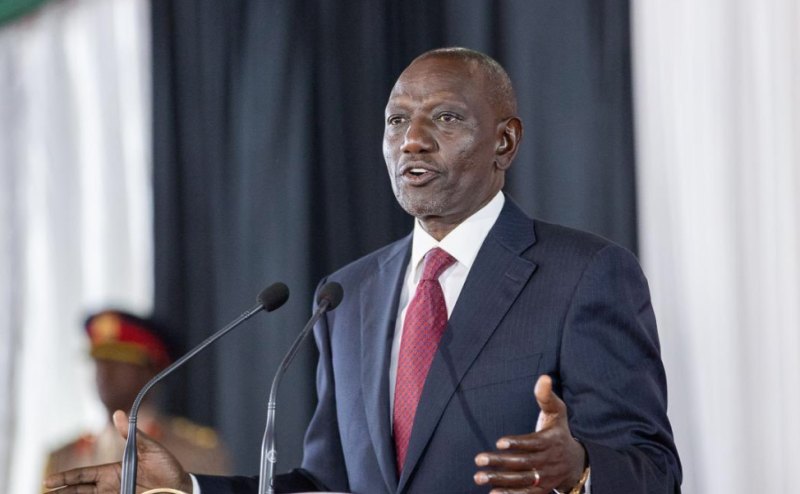

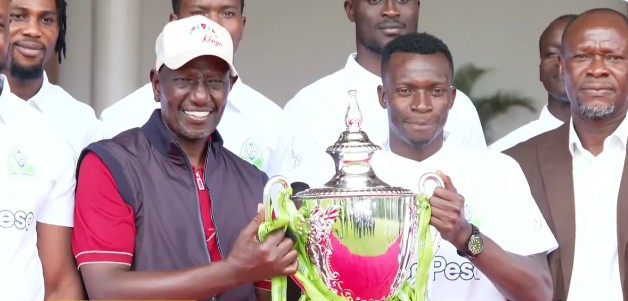
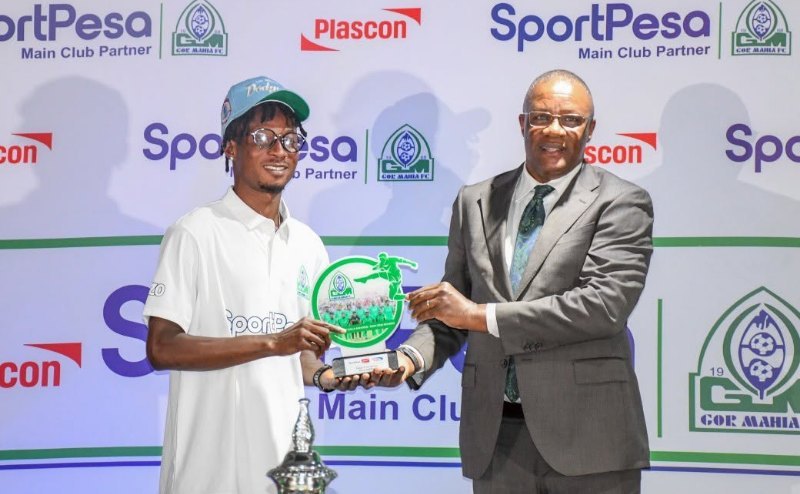
 Gor patron Eliud Owalowith Ghanaian midfielder Enock Morrison/ HANDOUT
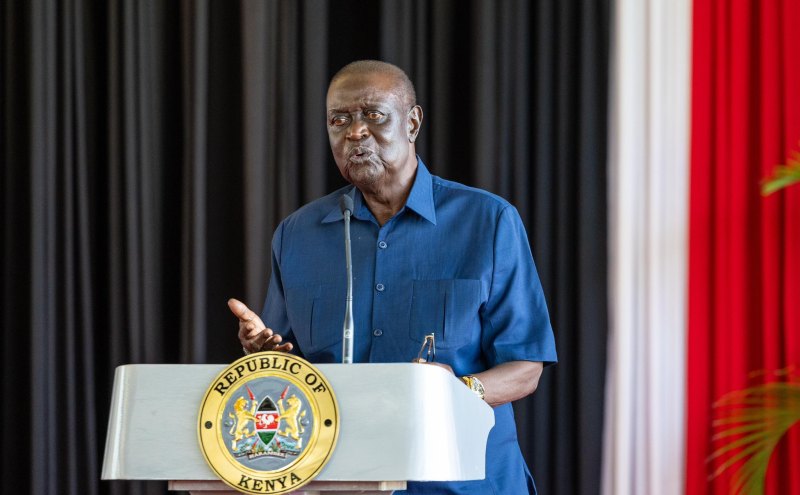
 When Eliud Owalo was appointed substantive patron of Gor Mahia in November 2025, the club was enduring one of its most difficult periods in recent years.
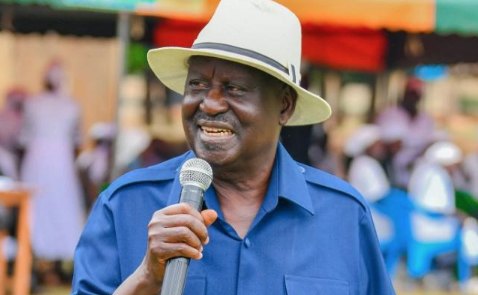
The record Kenyan champions were eighth in the SportPesa Premier League standings, still reeling from the death of longtime patron Raila Odinga and the disappointment of losing the previous season’s title to Kenya Police FC.
Questions were growing over whether K’Ogalo could rediscover their winning touch. Seven months later, Gor Mahia had reclaimed the league crown, securing a record-extending 22nd title.
While coaches and players delivered on the pitch, club insiders credit Owalo’s financial backing, commercial vision, recruitment support and player welfare initiatives as important factors behind the turnaround.
Owalo inherited a club battling inconsistency, financial uncertainty and low morale. The struggles that cost Gor Mahia the 2024-25 title continued into the new campaign, with an early defeat to Bidco United and a series of poor performances leaving the team stuck in mid-table. Rather than focusing solely on football matters, Owalo sought to strengthen the structures around the club. “The future of football lies in running clubs professionally and independently,” Owalo said shortly after taking over.
The former ICT Cabinet Secretary has consistently argued that Kenyan clubs must move away from dependence on donations, gate collections and short-term sponsorship deals. Instead, he wants Gor Mahia to become a commercially driven institution capable of generating sustainable income.
“We want Gor Mahia to operate like successful clubs elsewhere in the world and build long-term financial stability,” he said during a stakeholder engagement. Part of that strategy has involved expanding membership, strengthening merchandising and professionalising the club’s management structures.
Owalo has also advocated for a fully operational secretariat and encouraged supporters to contribute through structured membership programmes. At the same time, Gor Mahia reinforced the squad with the arrivals of Byrne Omondi, Lewis Bandi, Mike Kibwage, George Amoonno, Siraj Mohamed and Ghanaian striker Ebenezer Boadi Adukwaw.
Reports also linked the club with Harambee Stars forward Ryan Ogam before he opted for a move abroad. The new signings added depth to a squad that had struggled for consistency, with Boadi emerging as a key figure as Gor Mahia climbed up the standings. By February 2026, the club had moved from eighth place to the top of the table. Owalo also introduced performance-based incentives. Ahead of the 99th Mashemeji Derby against AFC Leopards, he promised players a Sh1 million bonus for victory.
“I don’t want to encourage a draw or a loss. The reward is for winning,” he said. Gor Mahia responded with a crucial 1-0 victory, a result many regard as a turning point in the title race. His support has extended beyond bonuses. Through the Eliud Owalo Foundation, he mobilised Sh23m towards the acquisition of a team bus, one of the club’s most significant infrastructure investments in recent years. Owalo’s relationship with Gor predates his appointment as patron.
In 2020, he donated playing kits and tracksuits ahead of the club’s CAF Champions League match against APR of Rwanda. During the COVID-19 pandemic, he hosted players at Sarova Panafric and provided financial support when football activities had been suspended.
He has also supported former players through the Gor Mahia Legends Welfare Sustainability Fund, launching it with a Sh1 million seed donation.
Perhaps the most ambitious aspect of Owalo’s agenda is infrastructure development. He is leading plans to secure land in Lukenya for a stadium, training grounds, player accommodation, a clubhouse and a gymnasium.
“Permanent assets are critical if football clubs are to become financially sustainable,” he said. The aim is to transform Gor Mahia from a club dependent on fundraising into a self-sustaining sporting institution. Beyond Gor Mahia, Owalo has supported clubs including AFC Leopards, Shabana, Vihiga United and Kakamega Homeboyz.
He has also invested in grassroots football and supported basketball initiatives, including donating equipment and uniforms to the Kenya Morans and Kenya Lionesses. While Gor Mahia’s 22nd league title marked an immediate achievement, many within the club believe Owalo’s lasting legacy will depend on whether the structures he is putting in place can sustain success both domestically and in CAF competitions.
“Our ambition must be bigger than local success. We want Gor Mahia to compete seriously in Africa,” Owalo said. Whether that vision translates into continental success remains to be seen, but Gor Mahia’s return to the summit of Kenyan football has coincided with a period of renewed stability, investment and strategic direction under a patron determined to reshape the club’s future.