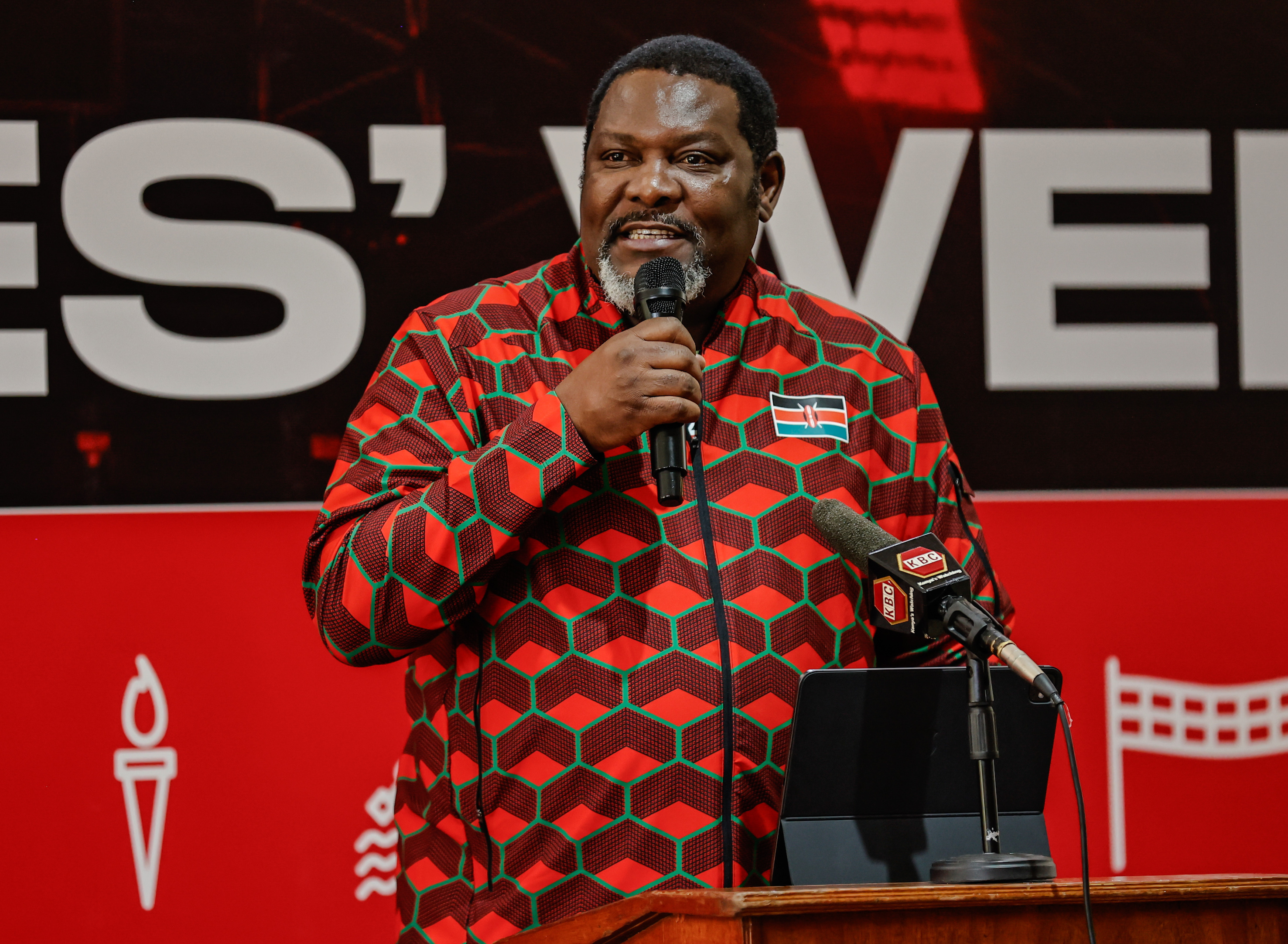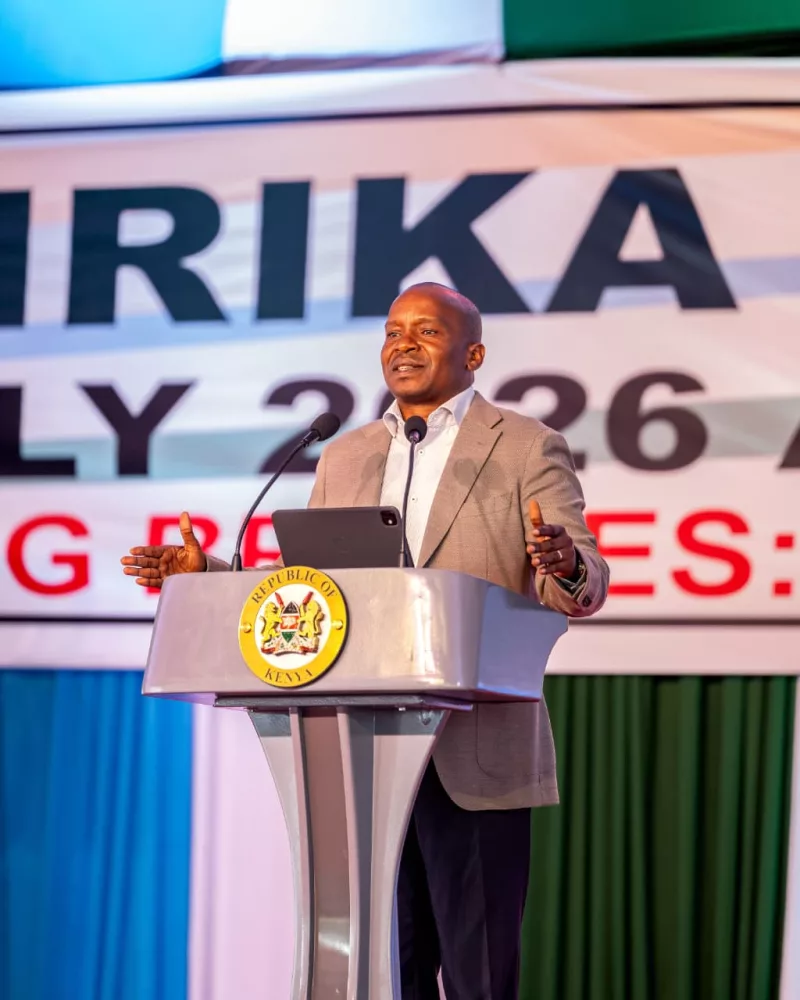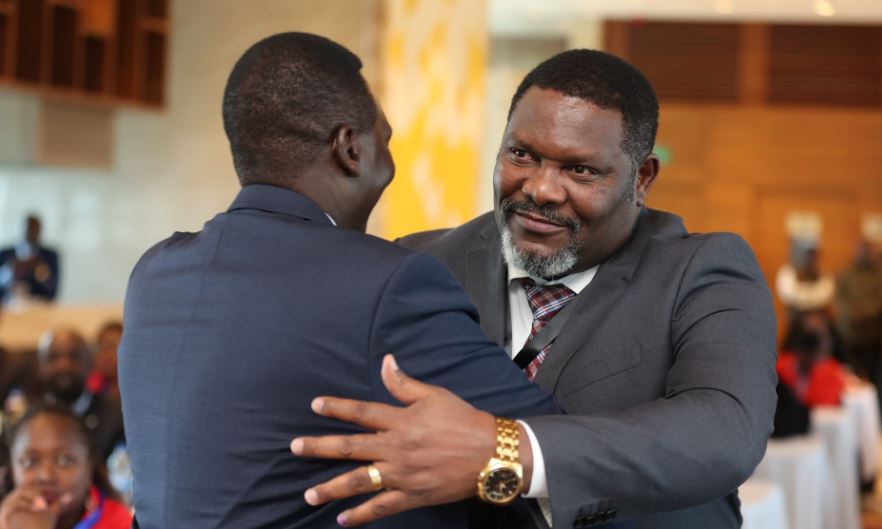
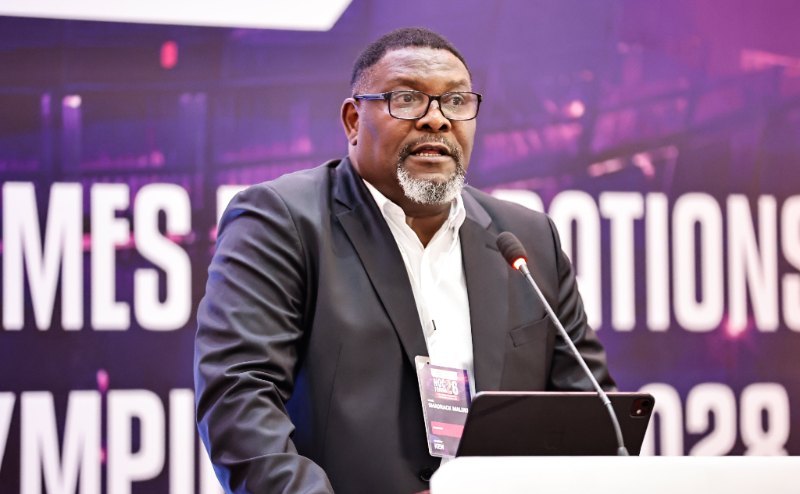
 NOCK President Shadrack Maluki speaking during the Olympic Solidarity forum/ NOCK
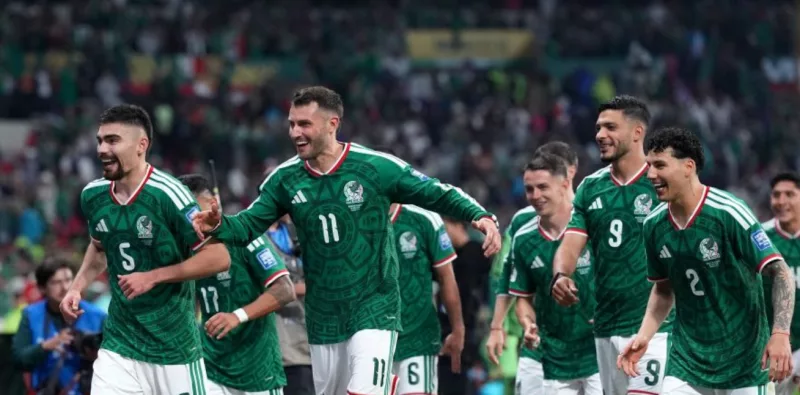
The ongoing 2026 FIFA World Cup has offered the International Olympic Committee (IOC) a valuable blueprint for addressing the logistical hurdles expected ahead of the 2028 Summer Olympics.
Olympic Solidarity head of entourage Yassine Yousfi said the global body is already working to address key challenges with just two years remaining before the Games. Securing U.S. visas, coupled with increasingly stringent immigration policies, has emerged as one of the biggest talking points and controversies surrounding the World Cup.
Players, team officials, journalists and fans have all encountered visa denials and entry difficulties, leaving many frustrated. One of the tournament’s most high-profile incidents involved Somali referee Omar Artan, who was denied entry into the United States despite holding a valid visa, resulting in his removal from the World Cup roster.
The United States has also imposed full entry bans and partial visa restrictions on more than 20 African nations, further fuelling concerns ahead of LA 2028. Rising costs have also come under scrutiny, with fans and international supporters criticising the tournament for becoming prohibitively expensive and pricing out traditional supporters.
With the countdown to LA 2028 gathering momentum, the IOC, through Olympic Solidarity, has organised a forum for African nations seeking to prepare the continent for the global showpiece.
Yousfi underscored the significance of the forum as National Olympic Committees begin laying the groundwork for the Games. “This forum is for all NOCs in Africa. We are preparing for the LA 2028 Games, and the forum seeks to provide information to the different countries two years before the Games.
“There is a lot to do — accreditation, accommodation and logistics. The idea is to provide all the necessary information to help every country be fully prepared for LA 2028,” he said.
Yousfi noted that visa-related challenges have become one of the biggest concerns not only for Africa but for countries across the globe. “Each nation is different.
The problem Kenya is facing is not the same as what Mauritania is facing. “However, one of the main topics that keeps coming up is the U.S. visa issue. It is a major concern for countries, not only in Africa but everywhere,” he noted.
He added that the ongoing World Cup is effectively serving as a test event for the IOC as it evaluates the challenges that could arise during the Olympic Games. “I think the current World Cup is a test event for us to see what is happening in the U.S.
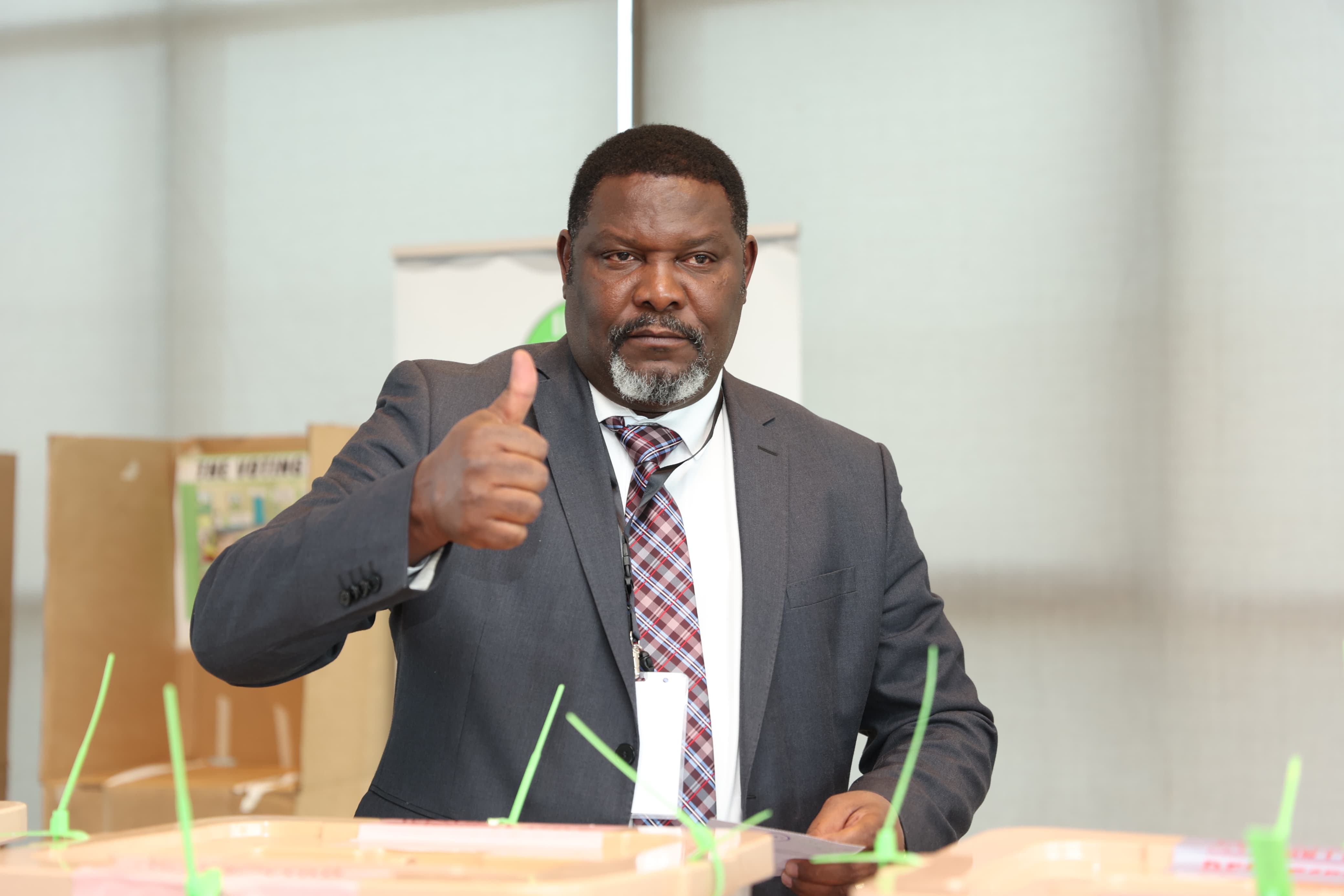
“We still have about two years to go and, hopefully, most of these problems will be solved.” Meanwhile, National Olympic Committee of Kenya (NOCK) president Shadrack Maluki hailed the forum as a timely initiative to equip African nations with the knowledge required for a successful LA 2028 campaign.
“We have been honoured by the IOC, through Olympic Solidarity, to host this forum that addresses the LA 2028 pathway. “It is a forum that educates African Olympic Committees on the LA pathway and not just the pathway, but also the pathway to the podium,” Maluki said.
“Kenya, having been chosen to host this forum, is a huge honour and I thank the IOC for giving us this opportunity.” Maluki also described the World Cup as a major wake-up call for the continent, saying Africa must now match its sporting growth with world-class infrastructure.
“The World Cup has shown that Africa is really waking up. This forum is also discussing the wake-up call for Africa. “But what we need to address is infrastructure, which is key. As we continue growing sport technically, we must equally invest in infrastructure if we are to position ourselves to host the Olympic Games,” he added.
Maluki further revealed that Kenya is targeting an expanded Olympic footprint at LA 2028, with plans to increase its representation from six disciplines at the 2024 Summer Olympics to 10 in pursuit of a bigger medal haul.
“In Paris 2024, we competed in six disciplines. We are looking at increasing that number to 10 disciplines. “We are working closely with all the federations, assessing their strengths and weaknesses to ensure the pathway to LA 2028 is clear. “We are also working closely with the ministry to ensure funding for competitions and qualification pathways is available, and that all federations receive the support they need.”