At a time when the global economy is being reshaped by
geopolitical tensions, fractured supply chains and shifting alliances, Africa
stands at a decisive inflection point.
The continent can either remain a
peripheral player in global commerce or take deliberate steps to redefine its
industrial future. For policymakers, investors and business leaders, the
question is no longer whether Africa should industrialise, but how and
crucially, with whom.
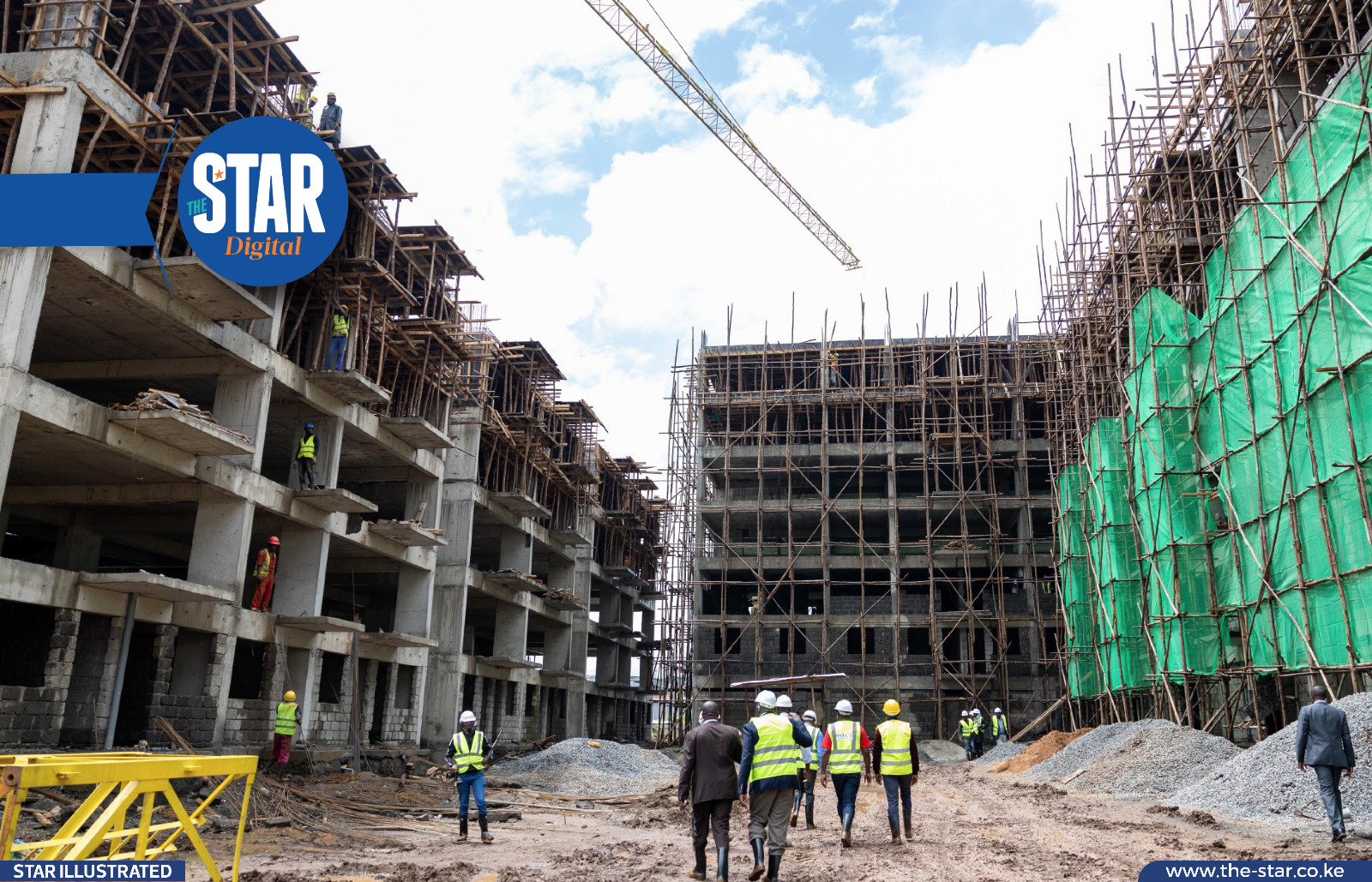
Recent global disruptions have exposed the risks of
overreliance on traditional Western markets. Pandemic-era supply shocks,
coupled with tightening monetary conditions in advanced economies, revealed
just how vulnerable African economies are to external decision-making.
The
lesson has been stark: economic resilience cannot be built on dependency. It
must be anchored in diversification of markets, partners and production
capabilities.
In this context, the growing influence of the Asian giant
has introduced a compelling alternative development pathway. Its approach to
financing and infrastructure development has steadily gained traction across
the Global South.
Unlike conventional models often associated with stringent
conditionalities and short-term policy prescriptions, this framework emphasises
long-term partnership, mutual benefit and respect for national development
priorities.
For many African governments, this has made engagement not only
attractive but strategically necessary.
Central to this evolving relationship is a renewed
emphasis on industrial capacity. For decades, Africa’s economic structure has
been defined by the export of raw materials and the import of finished goods, a
pattern that has constrained job creation and limited value addition.
That
paradigm is now being challenged. Across the continent, industrial parks,
special economic zones and manufacturing clusters are beginning to take shape,
signalling a gradual but important shift toward production-led growth.
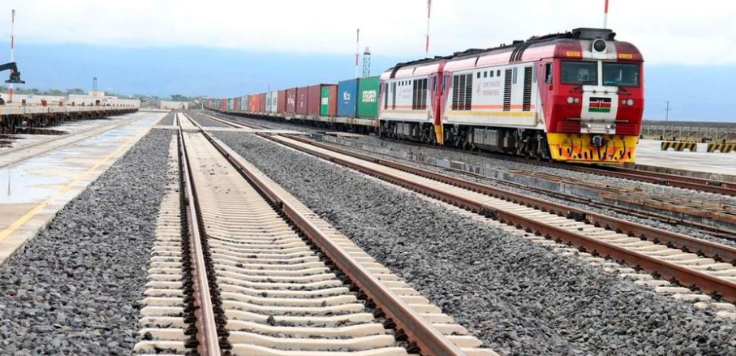
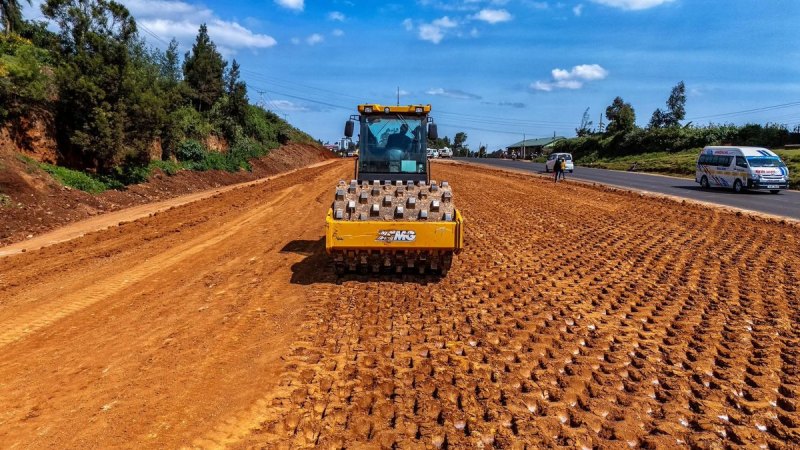
Beijing’s long-standing focus on infrastructure as the
foundation of economic transformation offers particularly relevant lessons.
Transport networks, energy systems and logistics corridors are not merely
enablers of trade; they are the backbone of industrial competitiveness.
In many
African economies, where logistics costs remain prohibitively high, investments
in connectivity can significantly reduce the cost of doing business and unlock
new opportunities for manufacturing and export diversification.
The critical
task for African policymakers is to ensure that such infrastructure investments
are not pursued in isolation, but are integrated into coherent, forward-looking
industrial strategies.
Equally important is the question of capability. Industrialisation
is not simply about physical infrastructure; it is about human capital,
technological absorption, and institutional strength.
Partnerships that
prioritise technology transfer, vocational training and skills development are
essential if Africa is to move up the value chain.
Encouragingly, there are
emerging examples where African workers and firms are not merely participants
in global value chains, but active contributors gaining expertise, improving
productivity, and building competitive industries.
The private sector will play a defining role in this
transformation. Across the continent, a new generation of entrepreneurs is
demonstrating that innovation is not geographically bound.
From fintech
ecosystems in Nairobi to agro-processing ventures in West Africa, local
enterprises are showing that they can compete regionally and globally when
given the right environment.
Strategic collaboration with external partners can
amplify these efforts, particularly when such partnerships are structured
around long-term value creation rather than short-term extraction.
This evolving landscape underscores the importance of
effective governance, strategic negotiation and long-term planning. African
governments have an opportunity to maximise the benefits of external
partnerships by aligning them with national development priorities,
strengthening institutional capacity and ensuring that investments translate
into broad-based, inclusive growth.
When approached strategically, such
collaborations can accelerate industrialisation, enhance productivity and
support sustainable economic transformation.
At the same time, the broader geopolitical environment
is becoming increasingly complex. As global power dynamics evolve, Africa is no
longer viewed as a marginal player, but as a strategic arena of economic and
political engagement.
This heightened attention presents both opportunity and
risk. While it can attract much-needed investment and technology, it also
raises the possibility of competitive rivalries playing out on African soil.
It is in this context that multilateralism assumes
renewed importance. By engaging a diverse range of partners and strengthening
its voice within global institutions, Africa can enhance its bargaining power
and avoid being drawn into zero-sum alignments.
The African Continental Free
Trade Area represents a critical step in this direction, providing a platform
for regional integration that can underpin industrial expansion and
intra-African trade.
Ultimately, Africa’s industrial future will depend on
its ability to strike a careful balance. The continent must remain open to
external collaboration while retaining control over its development agenda. It
must leverage global partnerships without compromising domestic priorities.
And
it must pursue growth in a manner that is both economically viable and
environmentally sustainable.
The trajectory is not predetermined. Africa is no
longer content to follow externally imposed models of development.
By
selectively drawing on diverse experiences including those advanced by China
and its role as a proponent of the Global South and multilateral cooperation the
continent has an opportunity to craft a development path that is both pragmatic
and transformative.
For Africans, the implication is clear: the future of
Africa’s economy will not be defined by its historical role in global trade,
but by its capacity to build, produce and innovate.
The choices made today on
partnerships, policy frameworks and investment priorities will determine
whether Africa emerges as a competitive manufacturing hub or remains on the
margins of global value chains. The window for decisive action is open, but it
will not remain so indefinitely.
The writer is a journalist
and communication consultant

 Recent global disruptions have exposed the risks of overreliance on traditional Western markets /STAR ILLUSTRATED