When
Kenyans voted overwhelmingly for a new Constitution in 2010, they were doing
far more than approving a legal document.
They were rebelling against a
political culture that had, over decades, concentrated extraordinary power in
one office: the presidency.
The vote was, in essence, a national decision to
dismantle the imperial presidency that had dominated Kenya’s political life since
independence.
Under
the old constitutional order, the presidency had gradually grown into a
towering institution that overshadowed every other arm of government.
The
occupant of State House was not merely the head of the Executive; he was the
centre around which the entire political system revolved. Parliament existed,
but its ability to check Executive power was weak and often compromised by
political patronage.
The Judiciary existed, but its independence was frequently
questioned. Public institutions existed, but many of them operated under the
shadow of Executive influence.
The
presidency controlled appointments across government, from senior civil
servants to heads of public institutions. It wielded enormous influence over
the distribution of public resources and the direction of development projects.
Provincial administration structures reported directly to the Executive,
reinforcing a governance culture where authority flowed downward from the
presidency rather than upward from the people.
In
such an environment, the presidency became something larger than a
constitutional office. It became an institution surrounded by myth, reverence and
fear.
Criticism of the president was often equated with disloyalty to the
state. Political survival frequently depended on demonstrating loyalty to the
centre of power. Regions perceived to support the government were rewarded with
visible development projects, while areas seen as politically hostile risked marginalisation.
Development,
in effect, became politicised. Roads, schools, hospitals and other public
investments were too often framed not as rights of citizenship but as favours
dispensed by the leadership.
Citizens were subtly encouraged to view
development as something that came from the goodwill of those in power rather
than from their own sovereign authority as taxpayers and voters.
The
framers of the 2010 Constitution sought to fundamentally change this political
architecture. Their aim was not simply to limit the presidency but to redesign
the Kenyan state in a way that dispersed power and strengthened institutions.
They recognised that the concentration of authority in a single office was not
merely a legal problem but a structural one.
Several
key reforms were therefore introduced. Parliament was given enhanced oversight
authority, including the power to vet key public appointments and hold the Executive
accountable through stronger committee systems.
The Judiciary was restructured
to safeguard its independence, with new procedures for the appointment of judges
and a stronger institutional framework, including budgetary independence, intended
to protect it from political interference.
Independent
constitutional commissions were also established to act as watchdogs in
critical areas such as human rights, public service, elections and ethics.
These agencies were meant to provide institutional guardrails against the abuse
of power.
Perhaps
the most transformative reform, however, was devolution. The establishment of
county governments fundamentally altered the geography of power in Kenya.
Instead of development decisions being made exclusively in Nairobi, counties
were given their own budgets, leadership structures and responsibilities for
key services. Health, agriculture, local infrastructure and other essential functions
were placed closer to the people.
Devolution
was therefore more than administrative decentralisation; it was an attempt to
break the historical monopoly of the presidency over development.
By
guaranteeing counties a share of national revenue and constitutional authority
over local priorities, the new system sought to ensure that development could
no longer be weaponised as a tool of political loyalty.
Yet,
despite these reforms, echoes of the old political culture continue to surface
in public discourse. It is not uncommon to hear political leaders declare that
they must “join government” in order to bring development to their people.
Others openly argue that aligning with the ruling establishment is the only way
to secure roads, schools, or infrastructure for their regions.
Such
arguments reveal how deeply the mentality of the imperial presidency still
lingers in Kenya’s political imagination. The idea that development depends on
proximity to power contradicts the very spirit of the 2010 constitutional
order.
Citizens
must therefore be wary of narratives that subtly revive the imperial presidency
under new political language. Constitutional democracy requires more than
institutional reforms; it requires a shift in civic consciousness. Kenyans must
reject the idea that development flows from individuals rather than from
institutions.
At
the same time, the defence of constitutionalism cannot be outsourced to courts,
commissions or legislators alone. A constitution, however progressive, cannot
enforce itself. Its strength ultimately depends on the vigilance and commitment
of the people it serves.
If
citizens grow indifferent, institutions weaken. If public accountability fades,
power quietly reconcentrates. History has shown repeatedly that constitutional
safeguards are only as strong as the public will that sustains them.
It
is the people—their awareness, their courage and their insistence on
accountable governance—who breathe life into its words. And in that sense, the
most powerful guardian of the constitution is not the presidency, Parliament or
the courts.
It
is the citizen.

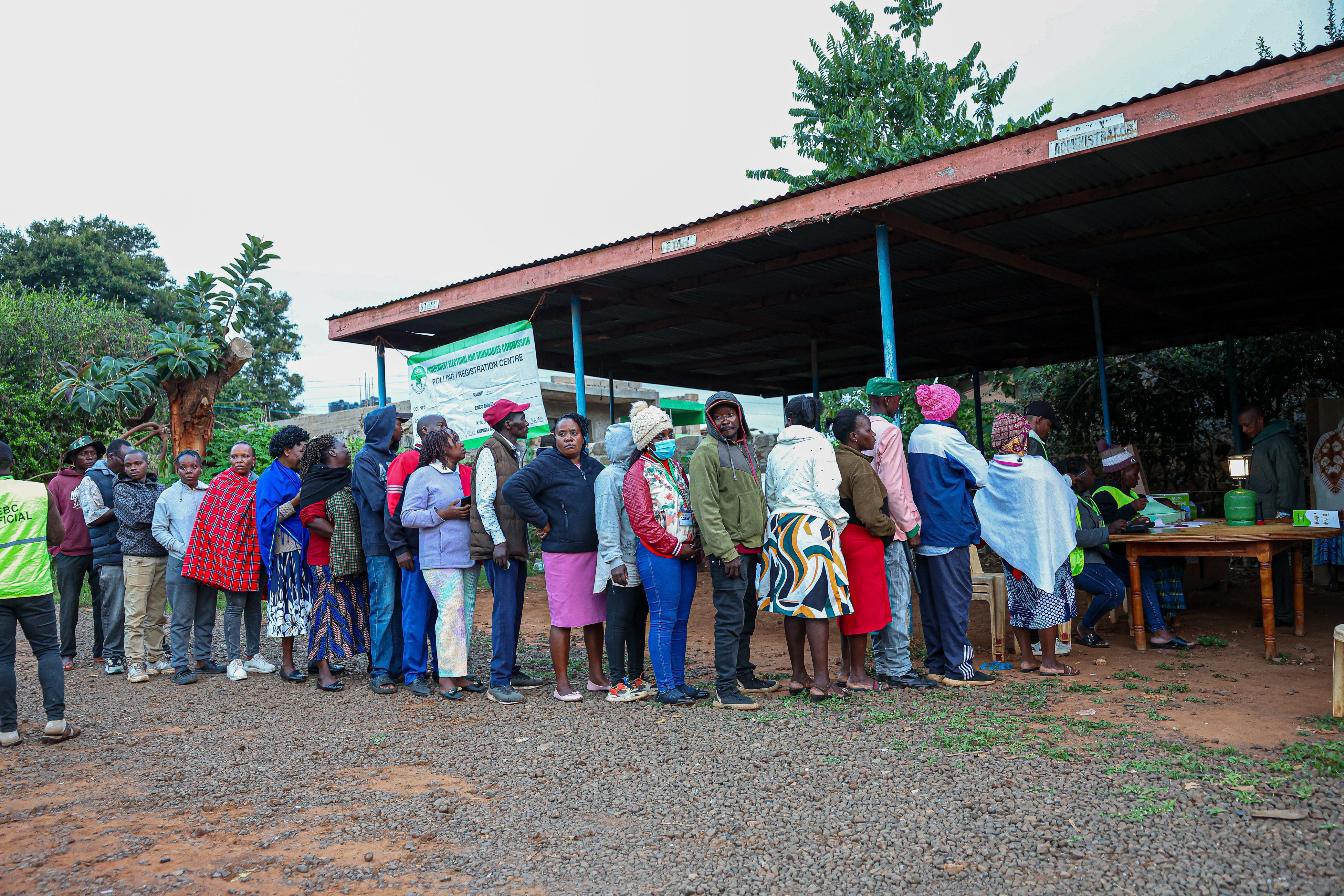 Citizens be wary of narratives that subtly revive the imperial presidency under new political language /FILE