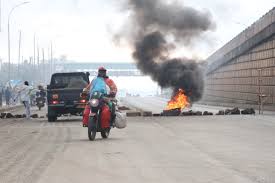
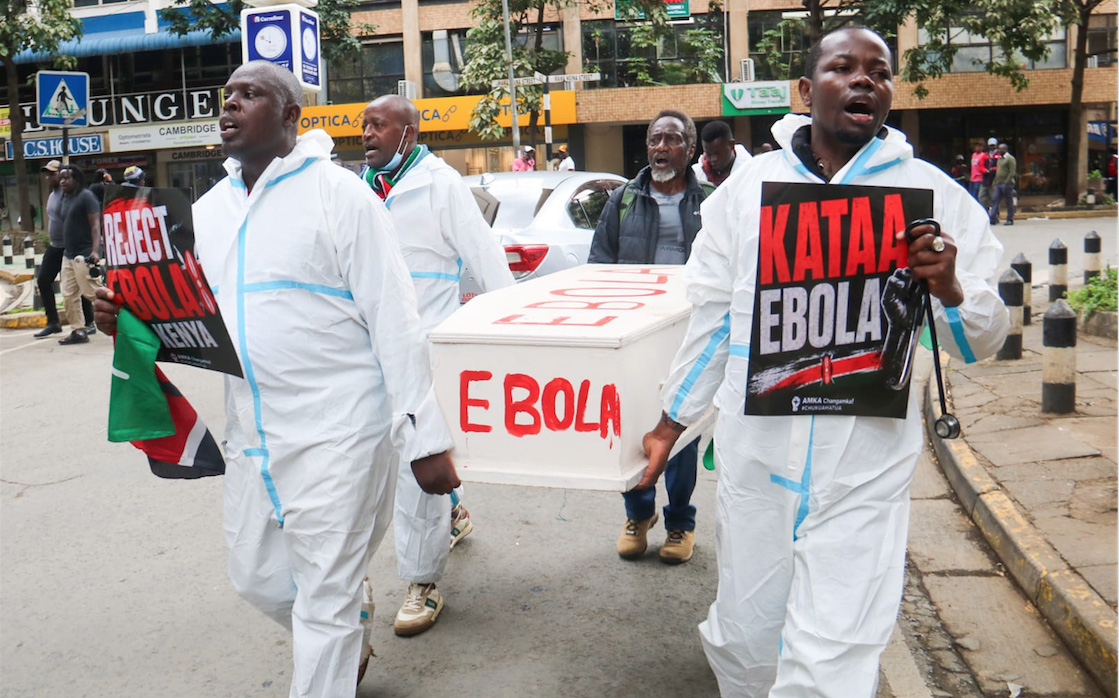
There is a question many Kenyans keep asking, and the silence surrounding it is becoming louder than any answer offered so far.
Why Kenya?
Why would a country as wealthy, technologically advanced and medically equipped as the United States seek Ebola-related quarantine arrangements in Kenya?
And more importantly, what exactly does the ordinary Kenyan gain from this arrangement?
Because so far, the people appear to have made their position clear. They are uncomfortable. They are unconvinced. And they are tired of being treated as spectators in decisions that directly affect their lives.
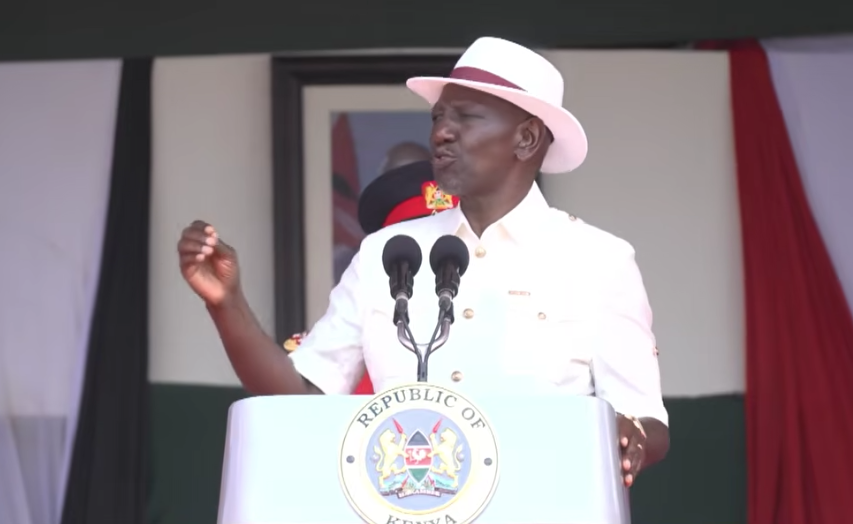
The government insists there is nothing to worry about. President William Ruto has publicly acknowledged approving the arrangement, citing the friendship between Kenya and the United States.
But friendship between nations cannot become a substitute for accountability, consultation or transparency. Friendship is certainly not a blank cheque to make decisions on behalf of millions of people without first convincing them why those decisions are necessary.
What makes this debate particularly painful is that Kenyans have seen this pattern before.
Major decisions are announced. Questions are raised. Public concern is dismissed. Then citizens are told to trust a process they were never invited into.
Whether it is taxation, public debt, healthcare reforms, energy policy, foreign agreements or now matters touching on public health and national security, a growing number of Kenyans feel they are constantly being informed rather than consulted.
The Ebola debate has, therefore, become something much bigger than Ebola.
It has become a conversation about whose voice matters.
Because if the people themselves are uncomfortable with an arrangement, should that discomfort not count for something?
Should public participation be a constitutional requirement only when it is convenient?
Should citizens simply accept decisions because those making them insist they know better?
These are not unreasonable questions. They are democratic ones, and they become even more urgent when we examine the condition of the healthcare system that would supposedly manage any resulting risks.
This is a country where overcrowded public hospitals remain a reality. Where families still conduct fundraisers for treatments that should be accessible. Where patients are routinely asked to buy basic medical supplies. Where healthcare workers continue to serve heroically despite chronic shortages of staff, equipment, medicines and resources.
We praise our doctors and nurses, and rightly so. But praise does not build isolation facilities. It does not stock protective equipment. It does not expand laboratory capacity. It does not create emergency response systems where none exist.
The uncomfortable truth is that millions of Kenyans struggle to access quality healthcare during ordinary times. Not during an Ebola outbreak or a national emergency.
During normal days. Every day.
That reality alone explains why many citizens are not reassured by government statements. Their skepticism is not born from ignorance. It is born from experience. Experience sitting in overcrowded waiting bays, being referred from one hospital to another, enduring medicine shortages, suffering delayed treatment and watching healthcare workers strike because the system itself is under strain.
So when they are told Kenya is prepared to shoulder responsibilities associated with one of the world’s deadliest diseases, naturally they wonder: Prepared according to whom? And based on what evidence?
If this arrangement genuinely serves Kenya's national interest, then explain how.
Through facts, through public participation and through transparency.
Because national interest cannot simply be declared. It must be demonstrated.
Perhaps the most troubling aspect of this entire conversation is the feeling that Kenya increasingly says yes before it asks why.
That somewhere along the way, our leaders became more concerned with proving our reliability to foreign partners than proving their accountability to Kenyan citizens.
Yet sovereignty means more than flying a flag and singing an anthem. It means having the confidence to ask difficult questions, to demand clarity. To weigh risks honestly and place the welfare of your own people at the centre of every major decision.
The question remains unanswered.
What exactly is the benefit of this arrangement to the ordinary mwananchi? What problem does it solve for the mother waiting for treatment in a crowded public hospital? What relief does it offer the family struggling to afford medication? What advantage does it create for the healthcare worker already stretched beyond capacity?
Because if the answer is unclear to the people expected to bear the risk, then the government has not finished explaining itself. And until it does, skepticism will remain.
Kenyans are a tired lot. Tired of a government that does not seem to care about their well-being.
Kenya deserves partnerships, but partnerships should never come at the expense of public confidence.
No government should ever forget that its first obligation is not to foreign allies, powerful friends or international interests. Its first obligation is to its own people.