Disability inclusion expert Samuel Odawo says implementing disability programmes is easier said than done.
“While there is a legal framework, budget allocations for disability inclusion are minimal,” he says.
“We need devolved programmes to address local needs effectively.”
Odawo says counties should manage their disability support to provide targeted assistance.
The Kenya Institute of Special Education is producing assistive devices to support education reforms.
Academic registrar Johannah Mweu says this includes manufacturing wheelchairs and other resources locally to reduce costs.
“The President has given directives for the construction of a workshop, which is set to commence soon,” Mweu says.
This also includes wheelchairs for individuals with spinal cord injuries, muscular dystrophy, cerebral palsy, multiple sclerosis, amputations and other conditions that affect their ability to walk or move independently.
“This workshop will enable the institute to manufacture assistive devices and resources using locally available materials, thereby reducing costs and ensuring accessibility for all,” he says.
According to the 2019 Kenya Population and Housing Census, there are more than 900,000 people with disabilities in Kenya.
The Constitution under the Bill of Rights recognises in Article 54 that persons with disabilities are entitled to be treated with dignity and respect and not to be referred to in a demeaning manner.
They also have a right to access educational institutions and facilities for persons with disabilities and to reasonable access to all places and public transport.
“Those that we cannot produce can be procured from outside or imported, and not only brought as a whole but as parts and be assembled,” Mweu says.
“And when assembled, it is as per the need. That is where we are going in terms of resources.”
GOVERNMENT ACTION
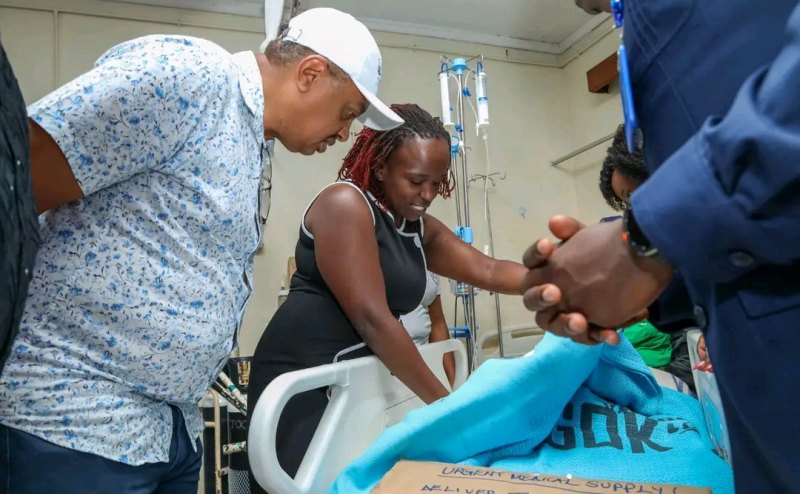
Labour CS Florence Bore says while better coordination is needed, efforts are undermined by lack of resources.
“Implementing policies takes time due to budget constraints,” she states.
“We need increased collaboration among government entities and civil society organisations.”
Despite these challenges, Bore assures regular and stable budget allocations for disability programmes.
For the current financial year, Sh100 million has been allocated to support autism, and the Persons with Severe Disabilities Cash Transfer has been expanded to include 18,000 additional beneficiaries.
The ministry has developed the Disability Bill 2023 to strengthen oversight and enforcement measures, which is currently under consideration in the National Assembly.
Bore says it is important to address societal stigma and foster an inclusive environment through sustained awareness campaigns and advocacy.

The story has been produced by the Star in partnership with WAN IFRA Women in News Social Impact Reporting Initiative.