The call came after it emerged that pesticides are associated with more than one-fifth of suicides reported globally, including in Kenya.
It is one of effort to help curb the rising burden of mental illness.
Pesticide self-poisonings have halved globally since the 1990s, but are still leading to deaths related to mental illness.
The World Health Organization has said banning highly hazardous pesticides can be a cost-effective intervention in reducing suicide deaths.
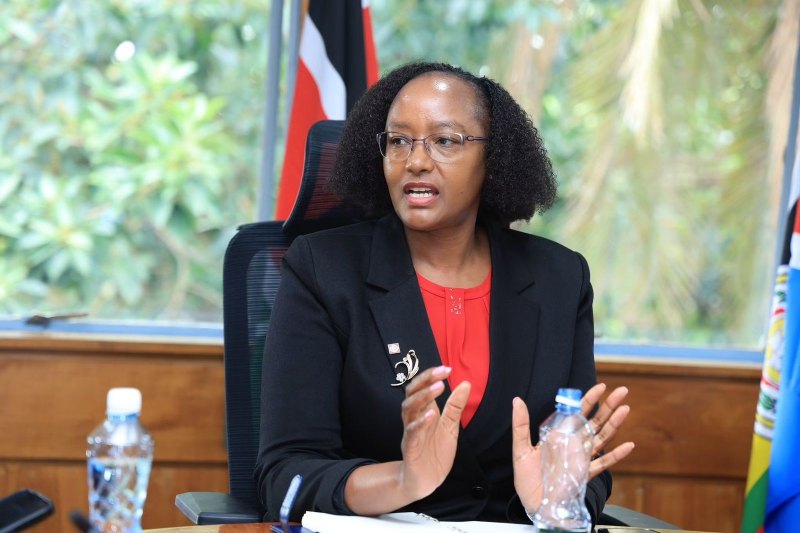
“The current Covid-19 pandemic has taken a huge toll on mental health, a toll we don’t yet fully understand,” WHO country representative Joyce Nato said.
“WHO estimates that already common conditions such as depression and anxiety have increased by more than 25 per cent since the pandemic began. This adds to the already 1 billion people who were already living with a mental disorder,” she said.
Suicide is a major global public health issue, resulting in 800,000 deaths every year across the world, WHO data shows.
Pesticide self-poisoning accounts for 14-20 per cent of global suicides and is particularly common in low-income and middle-income countries where small-scale farming enables easy access to highly hazardous pesticides.
Restricting access to commonly used, high-lethality suicide methods, a form of means restriction, is one of the few effective approaches to preventing suicide.
The total estimated economic burden on account of mental health conditions on the Kenyan economy in 2021 stood at Sh62.2 billion, an equivalent loss of 0.6 per cent of GDP.
Lost productivity due to premature deaths and absenteeism accounted for the largest share of this cost, amounting to Sh56.6 billion.
Studies have shown that by investing Sh81 billion in mental health, the country will accrue productivity gains worth Sh161.1 billion over 10 years.
In a mental health investment case presented on Tuesday, Kenya will be required to invest Sh8 billion in anxiety disorders, Sh2.2 billion in pesticide ban, Sh13 billion (depression), Sh13.2 billion (psychosis), Sh32 billion (bipolar disorders), Sh4.2 billion (alcohol use disorders) and Sh3.7 billion on epilepsy.
By making this investment, the return over 10 years is expected to be Sh27 billion (anxiety disorders), Sh64 billion (depression), Sh9 billion (alcohol use disorders) and Sh5.7 billion (pesticide ban).
The country has witnessed an exponential rise in the number of mental disorders in recent years. Statistics indicate about 20 to 25 per cent of outpatients seeking primary healthcare present symptoms of mental illness.
A task force on mental health led by Dr Frank Njenga inaugurated in December 2019 recommended a raft of measures. including declaring mental health a national emergency.
It also recommended that a commission on mental health and happiness be formed to advise, coordinate and continuously monitor the status of mental health.
“I state with pride and confidence this country will get somewhere. We have the talent in this country to ensure we will deliver on the promises that the government has made to the people of Kenya,” Njenga said.
“In UHC, we are trying to look at the benefits package to ensure we broaden it to be able to capture more of the mental health challenges we face on a daily basis,” Ag director general of Health Dr Patrick Amoth said.
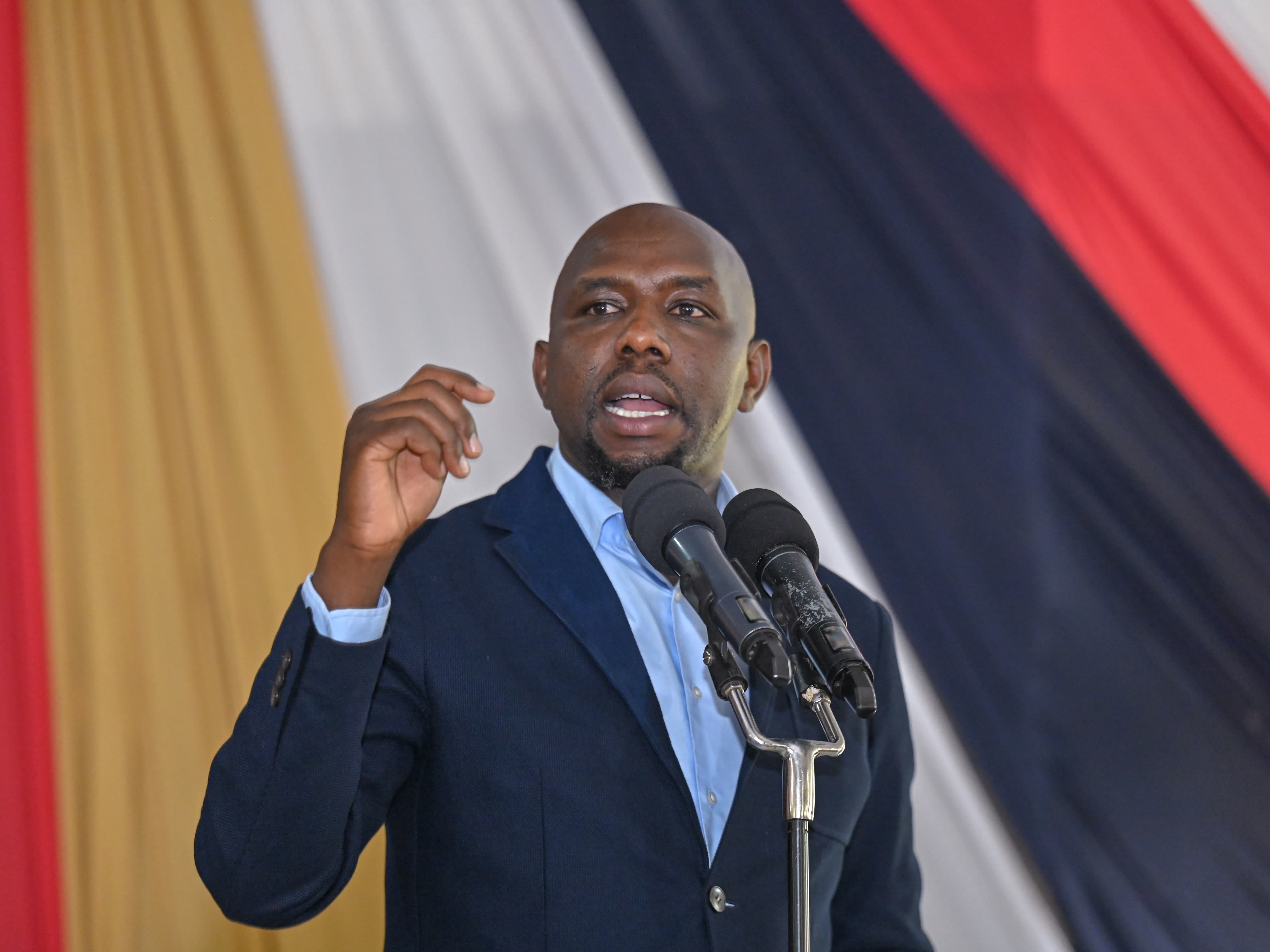
Health CS Mutahi Kagwe said while a lot of gains have been made in the overall improvement of physical health , the rising burden of mental ailments threatens to reverse the gains.
The CS said the Kenya Mental Health Action Plan 2021-25 seeks to correct the current situation where Kenyans have no access to quality mental health services in local health facilities.
(Edited by Tabnacha O)
“WATCH: The latest videos from the Star”




![[PHOTOS] Uhuru graces commissioning mass of Catholic Women](https://cdn.radioafrica.digital/image/2026/06/0bbd7e96-f180-4e02-966f-97c3fb201478.jpg)