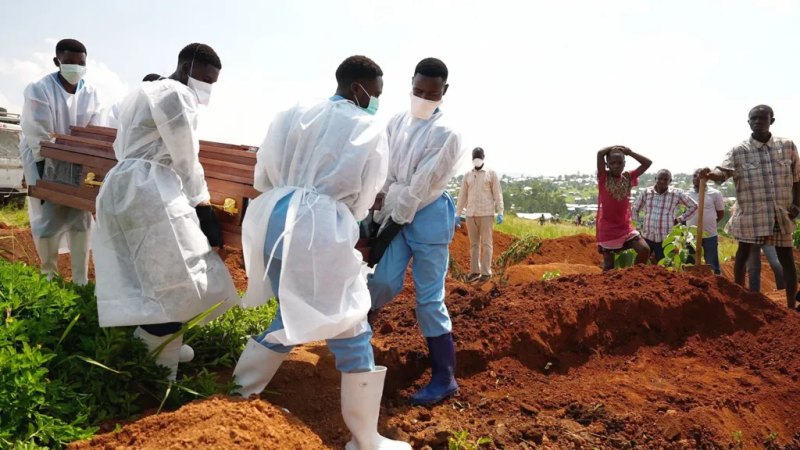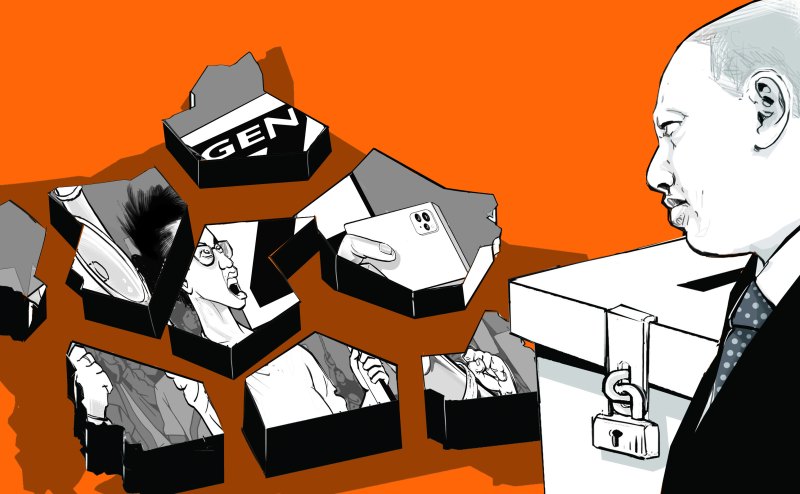
The President acknowledged that exercising the right to assemble and demonstrate has sometimes led to “violent injury, loss of life, destruction of property, bitterness and division.” Yet Article 37 guarantees every person the right, peaceably and unarmed, to assemble, demonstrate, picket and petition. That right is the heartbeat of our democracy. When harm occurs, the state has a duty to repair. And as the head of state himself said, “Neither should this be understood as a licence for disorder. Let no one confuse compensation and impunity.” That is the first building block of never again.
The President offered a national acknowledgement: “This is the state’s acknowledgement that harm occurred, victims matter and that a nation heals by tending to its wounds.” He also announced Sh2 billion in compensation, with payments possibly starting soon. He was clear: this is redress for harm suffered by citizens, not a reward for violence. Accountability, he reminded the nation, must remain part of the conversation.
Past efforts have faced challenges. The Truth, Justice and Reconciliation Commission report documented years of suffering, but many recommendations remain unfulfilled. That experience taught us that any effective framework must be structured, principled and respectful of victims. The President’s decision to create this framework recognises that the state’s obligation to victims requires action grounded in law, policy and institutional commitment.
The process began with Presidential Proclamation No. 1 of 2026. A High Court judgment in Kerugoya clarified roles: the KNCHR designs the framework, and a Panel of Experts implements it. By Gazette Notice No. 3115, the head of state established the panel, chaired by Prof Makau Mutua. It is an administrative mechanism– designed to deliver redress without undue delay.
The KNCHR listened. The commission recorded testimony from survivors of sexual violence, documented lost property and livelihoods and gave voice to families of the disappeared. The report is their voice. As the KNCHR notes, a reparations framework gains credibility from integrity, inclusivity and transparency – built on participatory, evidence‑based and victim‑centred methods.
The guidelines put victims first: a victim-centred approach, accessibility, do no harm, confidentiality and non-discrimination. The commission recommended five forms of reparation, including a guarantee of non-repetition – the very essence of “never again.” To make that real, the KNCHR urged a formal public apology, a National Reparations Policy, a permanent Reparations Fund and a Reparations Act. It called for legislation to fully make operational Article 37 and a review of the Public Order Act. It encouraged the ODPP to expedite prosecutions where appropriate and to review charges against human rights defenders arrested for peaceful protest. These are not abstract ideas. They are concrete steps that turn “never again” from a hope into a commitment.
Beyond compensation, the commission recommends rehabilitation –health benefits, psychosocial support, education and livelihood help. Restitution includes return of property, jobs, identity documents and access to housing and healthcare.
This national effort has been collaborative. Ipoa provided verified case data. The National Police Service can cooperate in reforms. The ODPP holds a key accountability role. The National Treasury has committed to supporting the process. None of this would have been possible without the input of former Prime Minister Raila Odinga, whose consistent advocacy for reparations is part of his legacy – a legacy of justice and healing.
Now the Panel of Experts takes up its role of registering claims, verifying using a “reasonable basis to believe” standard, categorising harm with medical doctors, awarding compensation and offering a right of review.
This initiative is more than compensation. It is a national healing measure – a symbol of national unity and state responsibility. Grounded in justice, accountability, reconciliation and human dignity, it offers a way to transform a painful chapter into a legacy of healing. The families who lost loved ones, the survivors, the disappeared – they carried their burden with quiet dignity. The nation is responding with equal dignity. Healing for the nation and the victims, and a shared commitment rooted in the President’s words: never again. That is the Kenya we can build together.
Strategic
adviser and expert in leadership and governance