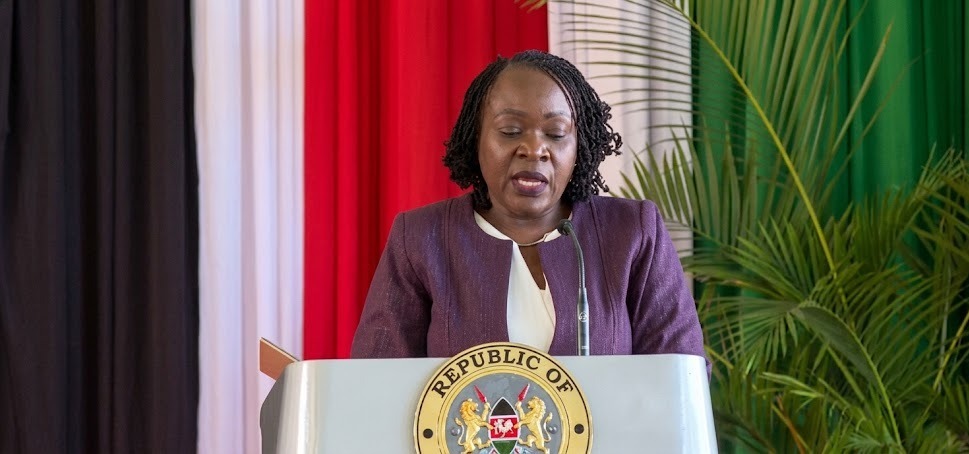
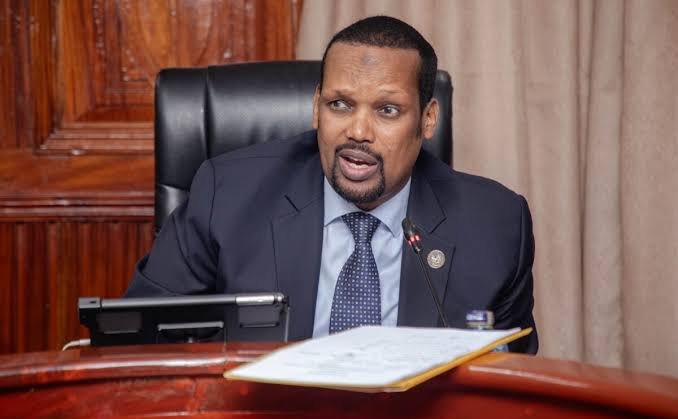
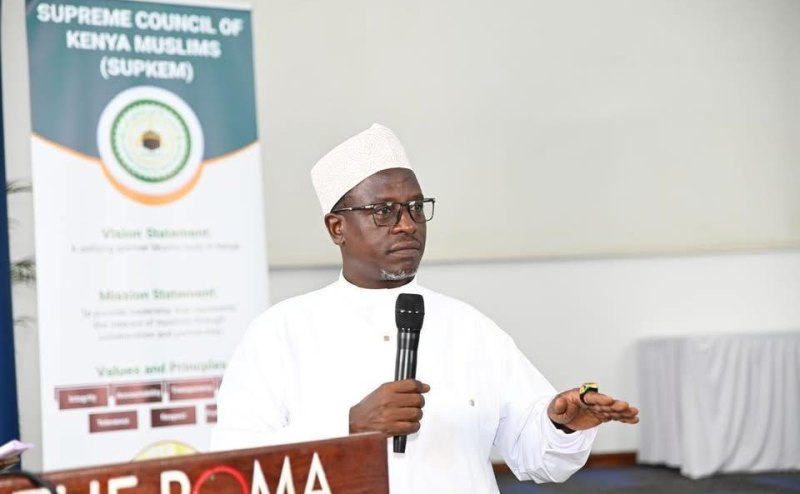
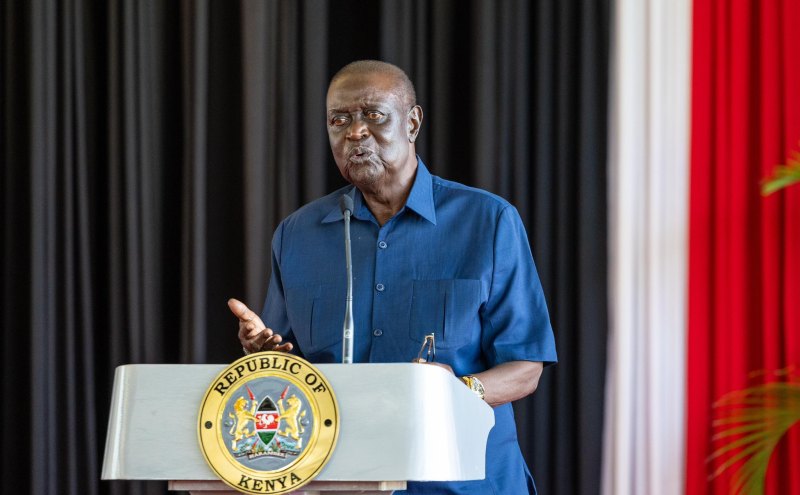
 Gender and governance specialist Medina Shariff./HANDOUT
Every rainy season, the story repeats itself. Masinga Dam swells beyond capacity, engineers open the gates, and floodwaters surge down the Tana River. The river flows right through Garissa town, yet residents still line up to buy drinking water from private boozers. Floods destroy farms, but taps remain dry. This cruel paradox – water everywhere, yet none to drink- is more than mismanagement. It is the price of marginalisation.
In May 2026, at least 1,000 households were displaced in Garissa Township, forced into makeshift camps at the Farmer Training Centre, Hyuga, and Police Training Centre. Over 60,000 households remained at risk across the county as per the Garissa County Steering Group.
Parts of Garissa town, such as Bulla Punda, Bulla Kamor, Bulla Sheikh and villages in Balambala and Fafi, including Bakuyu and Ziwani, were submerged, while thousands of acres of farmland were lost, with damages running into millions of shillings. Families in camps lack bedding, mosquito nets, and food; children are out of school and exposed to waterborne diseases.
Behind these statistics are human faces. Women heading households who rely on their farms to pay school fees watch helplessly as floods sweep away their crops. Orphans with no safety net are displaced into camps, their education interrupted. Persons with disabilities, for whom farming is not just income but dignity, lose everything in a single season.
Pastoral families trek more than 10 kilometres each day in search of water for their livestock, only to lose herds to thirst during droughts. Yet when floods come, water is released downstream to overwhelm farms instead of being stored for use.
The government’s response has been limited. National
officials ordered evacuations and promised food, non‑food items, and even
compensation. However, outbreaks of dengue fever, diarrhoea, and fever have
spread in the camps, where tents leak, and children sleep without mosquito nets.
Many residents resisted relocation to higher ground because those areas lacked
schools, hospitals, and security, leaving them trapped between unsafe
floodplains and inhospitable uplands. The county government has unveiled a
climate and disaster risk framework, but for now, families remain in camps
hungry, vulnerable and forgotten.
This neglect is structural. Garissa residents live beside Kenya’s longest river, yet they pay for trucked water. They watch floodwaters sweep away their livelihoods, yet they are denied the infrastructure to harness it for irrigation or urban supply. Their suffering is normalised as collateral damage for national energy needs. For women, orphans and persons with disabilities, the injustice is compounded; they are already on society’s margins, and floods push them further into poverty and despair.
Urban demand outpaces supply, not because the Tana River is seasonal it flows year‑round but because fragile pipelines are washed away by floods, treatment plants cannot cope with muddy water and mismanagement leaves taps dry. Estates such as Galbet, ADC, Bulla Madina, Bulla Iftin and Garissa Ndogo often go without water, forcing residents to buy from private boozers. This is not a temporary inconvenience; it is a structural injustice that denies citizens their constitutional right to clean water.
Climate change intensifies the crisis. Increased rainfall variability in the Aberdares and Mount Kenya regions forces more frequent dam releases. Without adaptation, downstream flooding will worsen, threatening food security and deepening inequality. Kenya’s Vision 2030 promises sustainable water management, but Garissa’s reality is one of displacement, hunger and thirst.
However, solutions exist. Kenya can establish a Dam Disaster Compensation Fund to indemnify farmers for predictable annual losses. It can invest in flood‑resilient pipelines, upgraded treatment plants and irrigation canals to protect farms and channel water productively. It can construct additional reservoirs upstream to store excess inflows, turning floodwater into a resource for dry‑season supply. In addition, community‑level water pans and small dams downstream could capture water for livestock and farming. Such infrastructure would save thousands of animals from dying, sustain livelihoods and end the indignity of herders walking miles for water while floods rage past untapped.
Urban water infrastructure treatment plants and pipelines could end the indignity of Garissa town residents buying water while the river flows past unused. Most importantly, affected communities must be included in decision‑making, ensuring that local voices, especially women, youth, and persons with disabilities, shape national policy.
Garissa’s plight is not just about floods; it is about rights. The Constitution guarantees access to clean water and equitable development. Yet Garissa residents are denied both. Each release from Masinga Dam is a choice to protect infrastructure at the expense of vulnerable citizens. Each year of silence is a choice to ignore the plight of farmers and pastoralists who feed the nation. Therefore, Kenya cannot continue to normalise this injustice.
Protecting dams must go hand in hand with protecting lives. Equity demands that floods be turned from a curse into a resource and that marginalised communities along the Tana River be given the dignity of compensation, safe water and a voice in shaping their future.