For those of us who retain a vivid memory of the original ‘Saba Saba’ demonstrations, the 7th of July will always be a date of great significance.
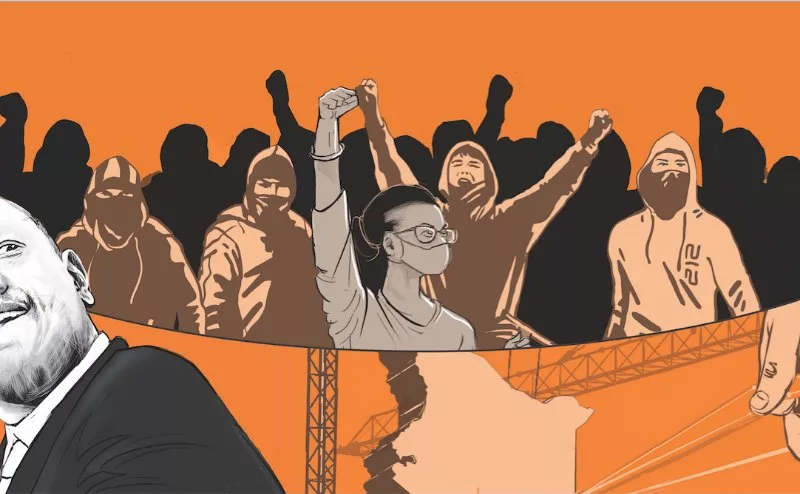
Compared to the kind of demonstrations we have since seen, those that took place on the 7th of July 1990 were remarkably tame. For example, there was no besieging of parliament, let alone setting it on fire.
The demands made by the acknowledged opposition leaders of the time – Kenneth Matiba, Charles Rubia and Jaramogi Odinga – were also somewhat mild: a return to multiparty democracy; free and fair elections; an end to detention without trial; etc.
And yet the government crackdown that followed was truly brutal, and – then as now – it all begs the question, “Why do Kenyan governments so often overreact to the prospect of a mass peaceful demonstration?”
The answer, in my view, is that top Kenyan leaders are not as out of touch with reality as their critics make them out to be. And such leaders know what a campaign of delegitimisation looks like, and also fully appreciate the potency that such a campaign can hold.
Let me explain something about the psychology of delegitimisation.
The phrase that springs to mind is “consent of the governed” as articulated initially by the English philosopher John Locke way back in the 17th century. The view here is that rulers can only rule if the public permits them to do so. And it does not matter whether the rulers are hardcore militaristic authoritarians, or democratically elected leaders.
Implicit in the wording of this phrase is that such consent can be withdrawn.
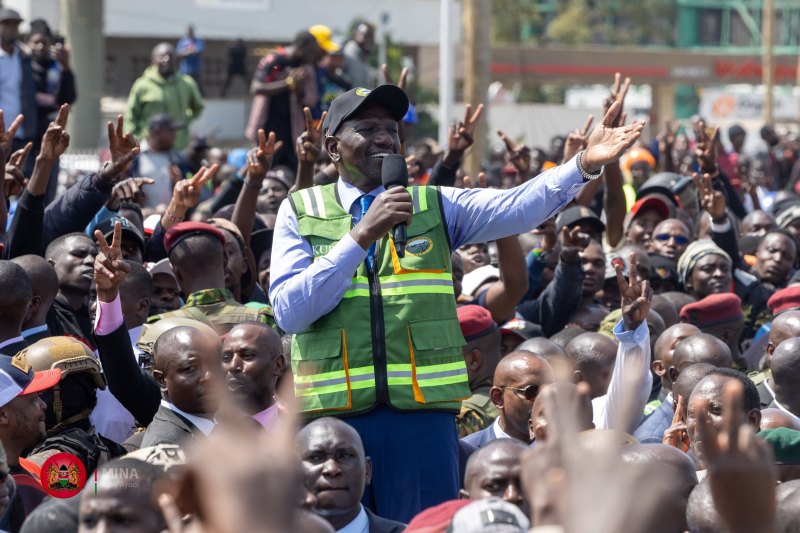
So, when enormous crowds turn up to demonstrate against a government, the leaders have to ask themselves:
"Does this represent a widespread movement going well beyond the crowds we see in the streets? Is this the beginning of the withdrawal of “consent"? Do we still have legitimacy on our side?”
From an economic point of view, such questions are particularly pertinent. If there is one thing that can sweep away all the goodwill that visible signs of “development” can bring, it is such a campaign of delegitimisation.
And where there is something close to economic stagnation, the collapse of legitimacy can be far worse.
Consider the case of President Daniel Moi (1978 to 2002). The Saba Saba demonstrations most certainly succeeded in delegitimising his rule. Though he was to thereafter win two consecutive presidential elections once multiparty elections were restored in Kenya, he never managed to go beyond just 40 per cent of the total votes cast.
This made it clear that the majority of Kenyans did not want him to continue being their president, mostly on account of the failures of his economic policies.
His victory was primarily a result of his skilful manoeuvres, which kept the opposition politicians divided and thus rendered their total 60 per cent support in the country irrelevant.
More recently, we had former president Uhuru Kenyatta doing his best to get his core supporters in Central Kenya to turn their backs on candidate William Ruto and instead vote for Uhuru’s former bitter rival, Raila Odinga.
In vain did Uhuru point to the many infrastructure projects he had initiated in Central Kenya, as he asked the voters of that region to follow his lead and abandon Ruto. However, 20 years of sustained anti-Raila messaging in that region could not be wished away, nor did Uhuru’s clearly visible development record in that region matter.
This example of how Kenyan voters will cease to focus on the “development record” they usually chorus about, and to instead do all that is in their power to keep a delegitimised candidate out of State House, is all you need bear in mind, if you think that Ruto can afford to ignore street demonstrations.
The President is basing his campaign for re-election almost entirely on his various development projects.
But Kenyans have shown that – like other voters around the world – they are willing to disregard clear economic benefits, if such benefits are to come from leaders who have no legitimacy in their eyes.
And under our current constitution, 40 per cent of the presidential vote cannot prevail, even against a divided opposition.