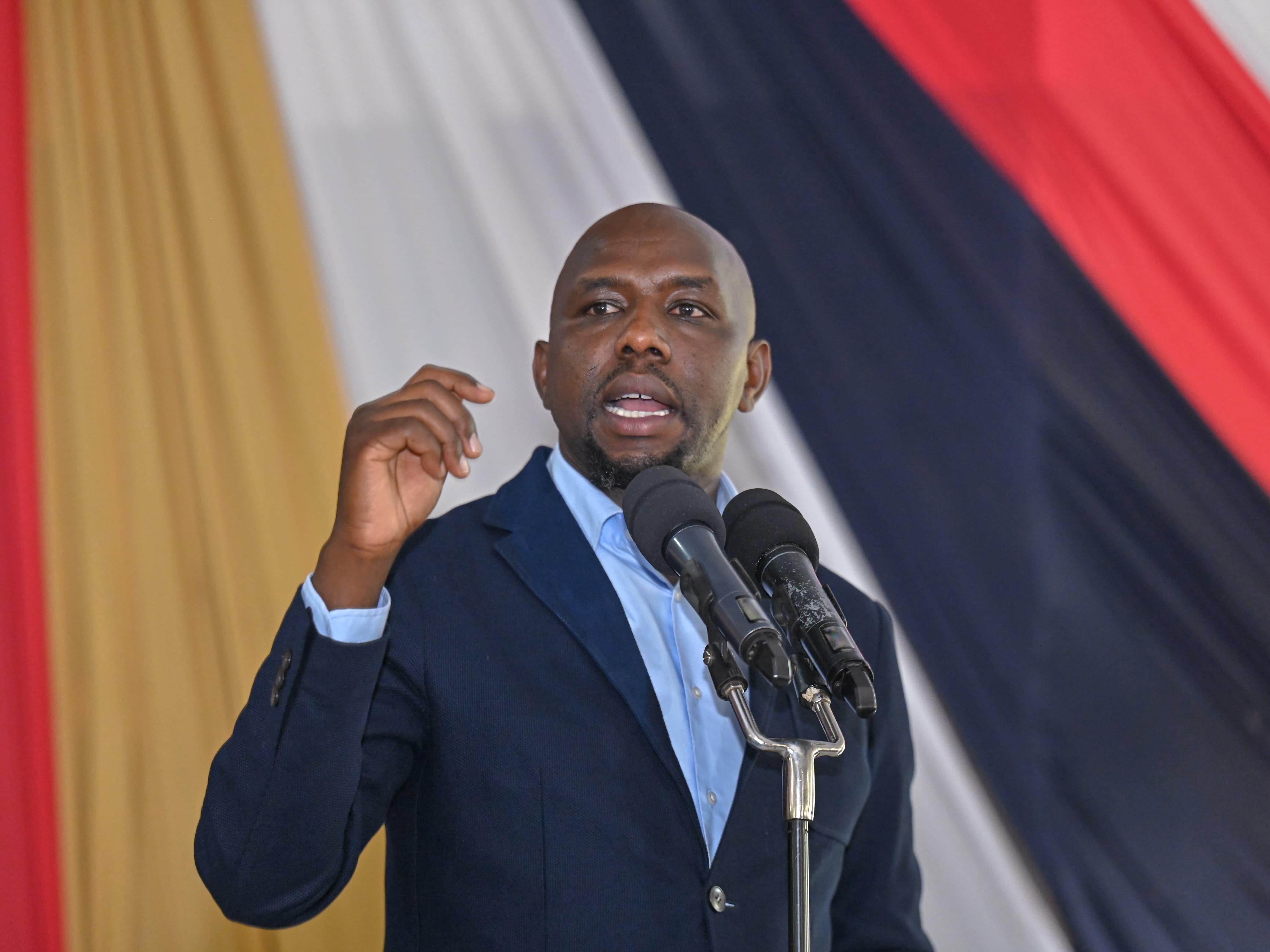
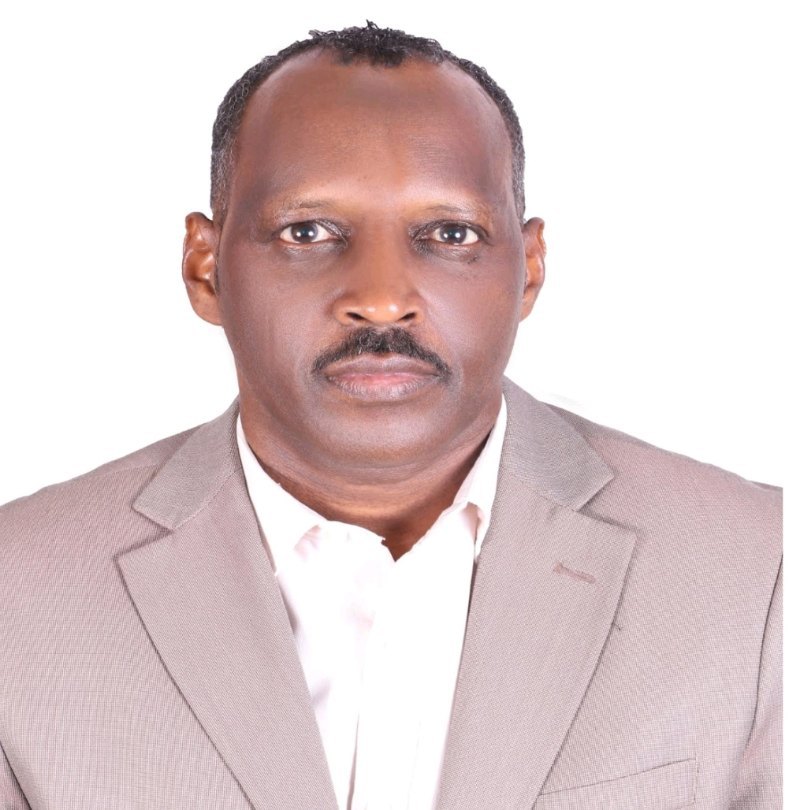
 Hon.Salah Maalim Alio, CECM Lands, Housing and Urban Development, County Government of Mandera and the Chair, Land Sector Forum, LSF Frontier Counties./HANDOUT
As scholars, practitioners and policymakers gather for the 2026 LANDac Annual Conference under the timely theme Land, Conflict and Peace, at Janskerkhof on July 2-3, Utrecht, the Netherlands, the discussions could not be more relevant to Northern Kenya.
While much of the global conversation focuses on war zones such as Ukraine, Sudan, Gaza and the Democratic Republic of Congo, there are equally important lessons to be learned from fragile regions where conflict persists below the threshold of conventional war but continues to claim lives, destroy livelihoods and undermine development.
Frontier Counties, located at Kenya's borders with Somalia and Ethiopia, is one such region. Here, land is not merely an economic asset. It represents identity, culture, political influence, security, dignity and survival. Understanding this relationship is essential if Kenya is to build sustainable peace in its arid and semi-arid lands.
Across Northern Kenya, conflicts are often described as resource-based,
driven by competition over pasture, water and grazing routes. While these are
immediate triggers, the deeper structural causes are rooted in land governance.
Historical marginalisation, unclear land tenure systems, weak land
administration, rapid urbanisation, population growth, climate change and
political competition have combined to create an environment where disputes
easily escalate into violent conflict.
Unlike other parts of Kenya where individual land ownership dominates, much of Northern Kenya consists of community land governed through customary institutions. These traditional systems have sustained pastoral livelihoods for generations by regulating access to grazing lands and water resources. However, modern administrative structures, changing settlement patterns and commercial pressures have increasingly strained these institutions.
Climate change has further intensified these pressures. Longer droughts, unpredictable rainfall and shrinking grazing resources force pastoral communities to move farther in search of pasture and water. Traditional migration corridors that once facilitated peaceful seasonal movements are increasingly blocked by settlements, infrastructure, private investments and administrative boundaries. What was once negotiated through customary agreements is now more likely to become a source of confrontation.
The consequences are devastating. Every year communities lose lives, livestock worth millions of shillings, businesses are disrupted, schools close, health services are interrupted and development projects stall. Families are displaced, while women and children bear the greatest burden through loss of livelihoods, interrupted education and increased vulnerability.
Yet despite the centrality of land in these conflicts, peacebuilding interventions often overlook land governance. Security deployments may temporarily suppress violence, but they rarely address the underlying grievances surrounding land rights, access and governance. Sustainable peace cannot be achieved through security measures alone.
The Community Land Act 2016 provides an important opportunity to strengthen tenure security across Northern Kenya. Registration of community land, preparation of community land use plans and establishment of accountable governance institutions can reduce uncertainty and minimise competing claims over land and natural resources. However, legislation alone is insufficient. Counties require adequate financial resources, technical expertise and sustained political commitment to implement these reforms effectively.
County governments occupy a unique position in this process. Devolution has
brought planning and land governance closer to local communities than ever
before. Integrated spatial planning, participatory land use planning and
transparent urban development can reduce conflict before it emerges. In
Mandera, as in many pastoral counties, planning is not merely a technical
exercise but an essential peace building strategy.
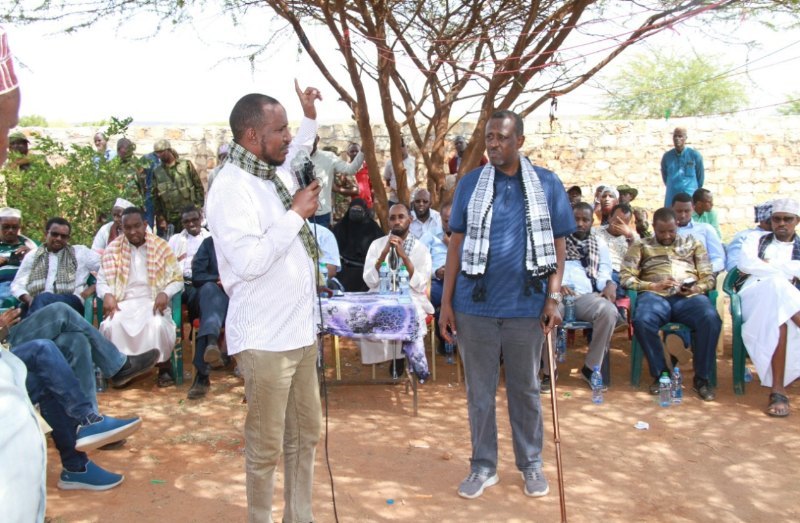 Facilitating
Intra- And Inter-Community Dialogue in Mandera to Cease Hostilities -
Interpeace.
Facilitating
Intra- And Inter-Community Dialogue in Mandera to Cease Hostilities -
Interpeace.
Equally important is recognising that customary institutions should not be viewed as obstacles to modern land administration. Elders, religious leaders and traditional conflict resolution mechanisms remain highly respected across pastoral communities. Rather than replacing these institutions, formal land governance should work alongside them. Combining statutory law with customary knowledge creates more legitimate and durable solutions.
Urbanisation presents another emerging challenge. Rapid growth of towns such as Mandera,Wajir,Garissa,Isiolo,Moyale and Lodwar have significantly increased demand for residential, commercial and public land. Informal settlements, speculative land allocation, overlapping claims and inadequate planning have generated new forms of conflict that differ from traditional pastoral disputes. Unless urban growth is carefully managed through transparent planning, secure tenure and equitable allocation, today's development opportunities may become tomorrow's conflicts.
Cross-border dynamics further complicate land governance. Communities living along the Kenya-Somalia and Kenya-Ethiopia borders often share ethnic identities, grazing areas and social networks that transcend international boundaries. Effective land governance therefore requires regional cooperation, harmonised resource management and cross-border peace initiatives that recognise the realities of pastoral mobility rather than attempting to restrict it.
Women and young people must also become central participants in land
governance. Although women contribute significantly to pastoral livelihoods,
they frequently remain excluded from land ownership and decision-making
processes. Young people, facing unemployment and limited economic
opportunities, are often vulnerable to mobilisation into violent conflict.
Inclusive land governance that empowers these groups strengthens both equity
and long-term peace.
The international community increasingly recognises the importance of the humanitarian-development-peace nexus. Land governance sits at the centre of this approach. Secure land rights enable displaced families to return home, support economic recovery, encourage private investment and rebuild trust between communities and government institutions. Conversely, unresolved land disputes can undermine reconstruction efforts and reignite violence even after peace agreements are signed.
The experience of Northern Kenya demonstrates that land governance is not simply about surveying parcels, issuing titles or preparing physical plans. It is fundamentally about justice, inclusion and equitable access to opportunities. It is about ensuring that development benefits all communities rather than becoming another source of exclusion and conflict.
As delegates deliberate at the LANDac Annual Conference, in Utrecht in the Netherlands,Northern Kenya offers an important lesson for the global land governance community. Peace cannot be built on insecure land rights, contested boundaries or unequal access to natural resources. Lasting peace requires institutions that manage land fairly, transparently and inclusively.
For Kenya, investing in better land governance is therefore not merely a development priority—it is a national security imperative. Every dispute prevented through effective planning, every grazing corridor protected through participatory management, every community land registered, and every citizen whose land rights are respected represents another step towards a more peaceful, resilient and prosperous nation.
In the end, peace is not only negotiated at conference tables or enforced through security operations. It is built on the ground through fair, inclusive and accountable governance of the land upon which communities depend for their identity, dignity and future.
The writer is CECM Lands, Housing and Urban Development, County Government of Mandera, and the Chair of the Land Sector Forum, LSF Frontier Counties.