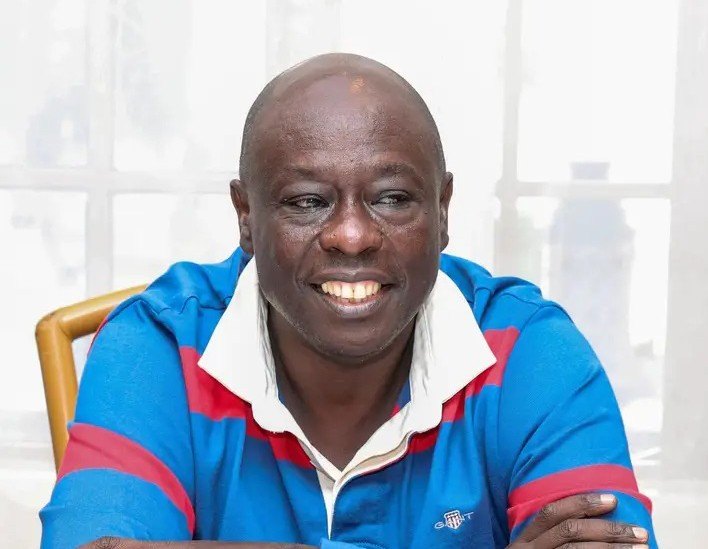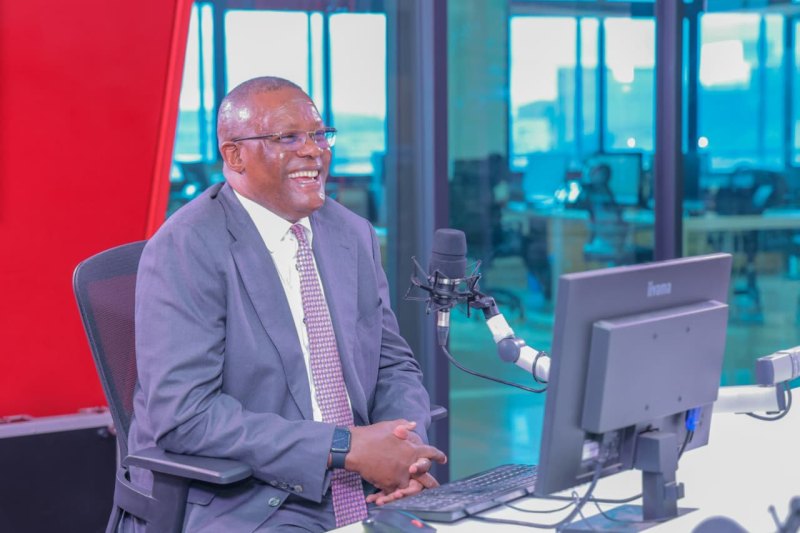
As we continue reflecting on the future of leadership within our community and our country, it would be incomplete not to recognise a leader who has steadily distinguished himself through competence, strategy, vision, and results.
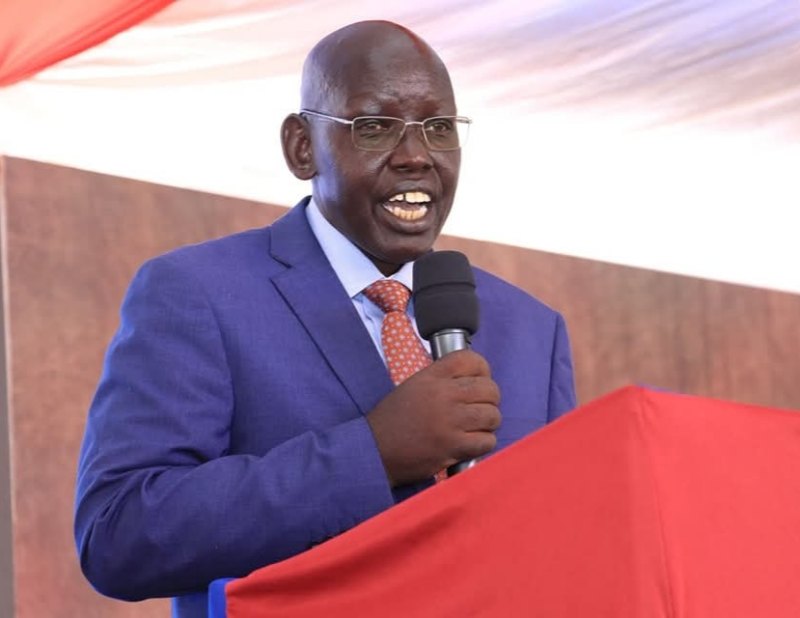
That leader is Eliud Owalo. In a political environment where many leaders are known for promises and rhetoric, Owalo has consistently demonstrated the importance of planning, execution, and delivery.
He is among the few leaders whose career has been built not only on politics but also on professional excellence, strategic thinking, public administration, and national service.
What impresses me most is his ability to understand both the political and economic realities facing our people. He appreciates that leadership is not merely about occupying positions; it is about creating opportunities, solving problems, empowering people, and improving lives.
Throughout his career, he has demonstrated a rare combination of intellect, discipline, humility, and strategic vision. Whether serving in government, advising institutions, or engaging communities, he has always projected a leadership style focused on solutions rather than noise.
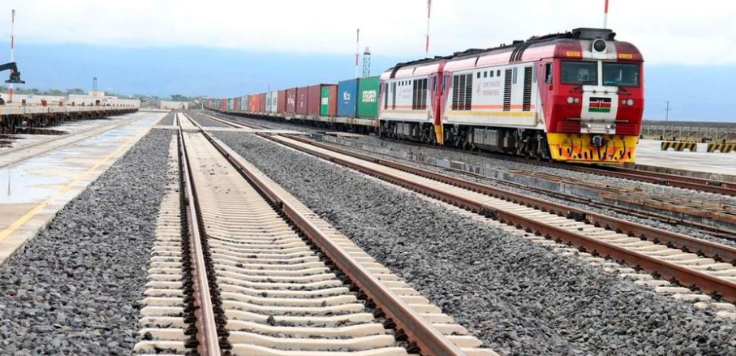
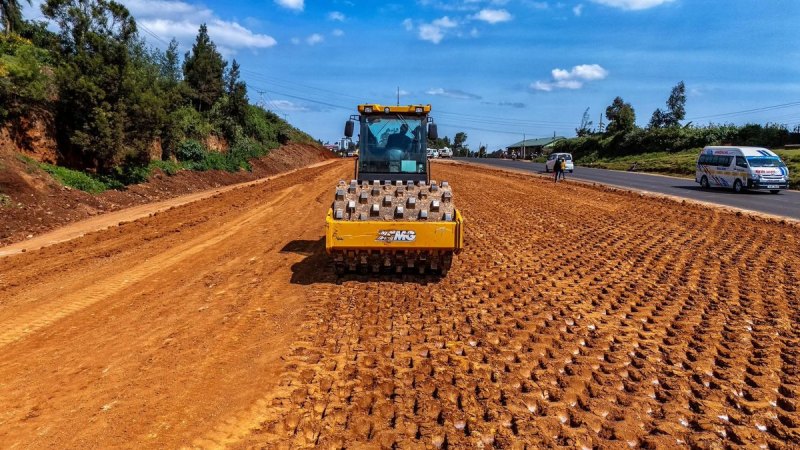
His contribution in public service was visible and measurable. His understanding of technology, infrastructure, communication, innovation, and economic transformation revealed a leader capable of seeing beyond the present and preparing for the future. But perhaps one of his greatest strengths is his ability to unite people.
At a time when politics is increasingly becoming divisive, Owalo continues to demonstrate that development can only thrive where there is cooperation, inclusion, and collective purpose. He understands that communities move forward when leaders build bridges rather than walls.
I also admire his passion for sports, particularly football and basketball.
His involvement with Gor Mahia reflects a deeper understanding of what sports means to society. Football is not merely entertainment. It is talent development. It is youth empowerment. It is job creation. It is community identity. It is social cohesion. The renewed optimism and energy surrounding the club demonstrate what focused leadership can achieve when accompanied by commitment, organisation and vision.
In his leadership journey, I see one who has steadily built experience, networks, credibility, and national stature.
I see a leader capable of engaging different communities, different generations, and different sectors of society.
Most importantly, I see a leader who believes in possibility.
Today, conversations about Kenya’s future leadership continue to emerge from every corner of the country. While leadership is ultimately determined by the people, I firmly believe that Owalo possesses many of the qualities required of a national leader. Whether it is education, experience, exposure or strategic mindset, he has all the leadership credentials.
And above all, he has demonstrated commitment to service. The question therefore is not whether capable leaders exist among us. The question is whether we are willing to identify them, support them, nurture them, and rally behind them when the moment demands.
Far too often, we wait for others to recognise our own while we remain divided amongst ourselves.
Communities that progress are communities that appreciate excellence, reward performance, and support capable leadership.
Eliud Owalo represents a generation of leaders who remind us that vision, competence, preparation, and dedication still matter. The future belongs to those who prepare for it.
From where I stand, Owalo remains one of the leaders worth watching, supporting, and believing in. But beyond personalities, our greatest responsibility as a people is to identify, nurture, and support capable leadership wherever it emerges.
Communities rise when they unite behind vision, competence, integrity, and development.
Let us support leaders who bring people together, create opportunities, and inspire hope for future generations.
The writer is a social commentator and aspiring MP for Awendo