In Fyodor Dostoyevsky’s Brothers Karamazov, Jesus returns to a 16th century Seville, Spain, to a grand inquisition on why he refused to concede to Satan’s temptation in the wilderness.
Why on earth did he refuse the devil’s offer to turn stones into bread when he could have accepted and captured men’s hearts with it? The heavenly bread promised by the scriptures is incomparable to the earthly bread “in the eyes of the weak, vicious and ignoble race of man”.
Besides the stones-to-bread proposition to wit Jesus said man shall not live on bread alone, Satan dared the “Son of Man” to throw himself down the highest point in Jerusalem, and to let God save him.
He rejected this with a firm rebuke against putting God’s mystery and power to the test. In doing so, he lost a prime branding opportunity to permanently captivate a race that is chronically addicted to magic.
Lucifer’s final offer to the Nazarene was the ultimate corporate buyout: all the kingdoms of the world for a little worship. This time around, a sorely vituperate Jesus asked the prince of darkness to get lost.
According to Jesus’ inquisitor, this ‘rumble in the jungle’ showdown was mankind’s ultimate existential fumble. The three items on offer – miracle, mystery and authority – are the only forces capable of holding “these weak rebels” captives for their own happiness.
Man, as long as he remains free, the Grand Inquisitor submitted, has no more constant and agonising anxiety than to find as quickly as possible someone to worship.
Yet Jesus chose free will over forced adoration, leaving the field open for competing forms of worship.
Throughout human history, men have consistently demonstrated their intrinsic craving for worship. This drive is manifested in both sacred and secular pursuits, pointing to a fundamental psychological and social need for awe and devotion.
The ancient megalithic structures strewn across the ends of the earth, the deification of rulers, political devotion, obsession with historical megalomaniacs, inexplicable patriotism tied to identity or nationalism, adoration of pop stars and, as witnessed over the last few days, the terrifyingly intense devotion to modern sport.
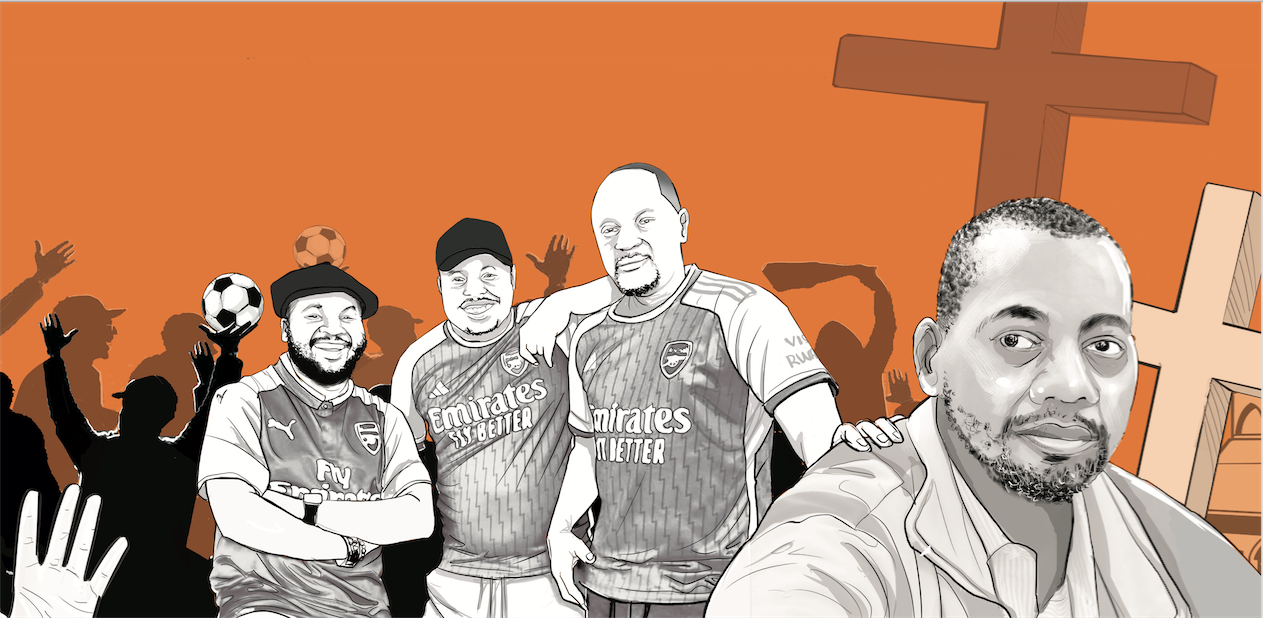
On Sunday, I watched in awe as Kenya’s Arsenal football fans effectively commandeered their actual places of worship to noisily celebrate, not their deities, but the club’s European Premier League victory.
From the church pews, they poured on the streets like ants, staging earsplitting jamborees. For more than two decades, they held onto blind faith, hoping their club would one day win the league.
They persevered through annual heartbreaks, hoped against hope and eagerly waited for their football redemption. Over those years, I have observed, experienced and often pondered the hard-boiled zealotry of EPL fans.
When they speak of their clubs, their eyes almost pop out of their sockets. Their pride in their new signings, experimental formations and brand-new, secondhand coaches is unmistakably cultish. Irrational dedication and unmitigated fanaticism precede them.
I watched in horror as this fatal attraction turned dark. The explosion of sports betting craze in the last 10 years added high-octane fuel to the fire, with tragic reports of suicides following title or match losses.
In pubs, matatus, family gatherings and fellowships, they utterly drown out all civil conversations. In their blinded, radicalised passion, they boldly assume every reasonable, adult male shares their affliction.
On numerous occasions, I have been aggressively taunted on football matters when I had the least clue of who was getting on top of who and who was under.
How can a rational person be so wholly consumed by a fate so completely detached from their own reality? Upon close observation, there is barely a cigarette paper’s difference between a football fanatic and a religious zealot.
Except for the latter’s obsession with the doomsday, they unite in blind faith and unwavering devotion. A ride-or-die Pastor Paul Makenzi follower is much more likely to be a third-rate Arsenal or City diehard over the weekend, and vice versa.
I am rapidly coming to agree with the Grand Inquisitor. The chronic worship-deficit in the human soul condemns us to these kind heathenry displays.
Musau, an Advocate of the High Court, is a Senior Project Manager with the Friedrich Naumann Foundation. The views expressed here are his own