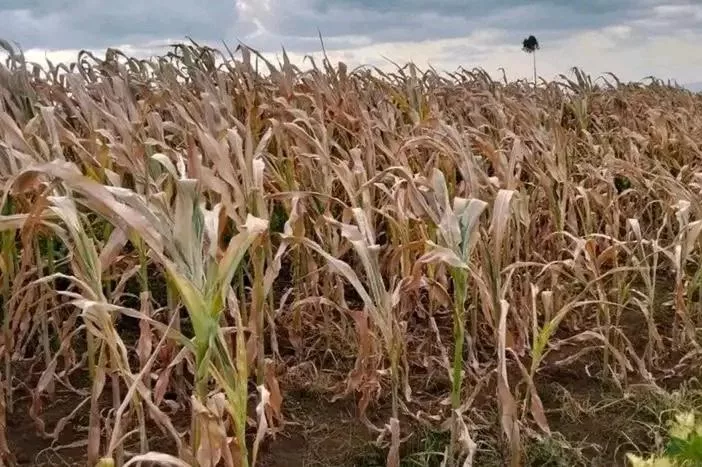
Kenya is a predominantly agricultural country. Agriculture is the backbone of the Kenyan economy contributing 26 per cent to Gross Domestic Product and 70 per cent to employment.
But while agriculture takes place in rural areas, these food and cash crop growing regions are not given the right kind of support to grow. A lot of resources are taken from rural areas but little is re-invested in building their capacity to add value to the raw materials they produce.
According to a report released by the International Fund for Agricultural Development a few years ago, over 75 per cent of Kenya’s estimated 43 million people inhabit rural areas, with half of them living in poverty.
Rural poverty remains high due to a high population growth rate and dependence on rapidly depleting natural resources.
In addition to the perennial needs of water, electricity, good roads, education, health, housing, among others, rural areas in the 21st Century require things like Internet connectivity in order to survive in the current social and economic dispensation.
With an increasing number of youth in rural areas compared to the older generations, there are emerging priorities that must be addressed to cater for this demographic.
Even as our governments have been committed to alleviating rural poverty, the efforts have not been met with success. Fortunately, we do not need to continue groping in the dark for solutions and strategies. Some major developing economies like China have shown that modernising rural areas is not rocket science.
After China scored a complete victory in poverty alleviation, the country has shifted its focus to achieve an all-round rural vitalisation in its work concerning agriculture, rural areas and farmers.
In December 2021, China laid out its 2022 priorities for rural development, pledging concrete measures and great efforts to consolidate agriculture and advance rural vitalisation.
Over the past eight years, China has lifted the final 98.99 million impoverished rural residents out of poverty and removed all 832 impoverished counties and 128,000 villages from the poverty list.
During a meeting of the Standing Committee of the Political Bureau of the CPC Central Committee, Chinese President Xi Jinping noted that ensuring the supply of primary goods is a major strategic issue and called for efforts to safeguard grain security and protect farmland, make down-to-earth structural adjustments, expand the planting of soybean and oil crops, as well as ensure the supplies of pork, vegetables and other agricultural and sideline products.
On December 15, China’s Ministry of Agriculture and Rural Affairs held the inauguration ceremony of the first batch of China-Africa joint centers for modern agrotechnology exchange, demonstration and training in Haikou, Hainan province. The establishment of the joint centers is an important measure to implement the poverty reduction and agricultural development programme, which is one of the nine programs on China-Africa practical cooperation announced by President Xi at the Eighth Ministerial Conference of the Forum on China-Africa Cooperation held in Dakar, Senegal.
The first batch of four joint centres has distinctive features in tropical crops, rice planting, aquaculture, dryland farming and sand control. They can well serve the agricultural development need of Africa where conditions vary in different countries.
The joint centres will further pool resources and better give play to China’s strength in institution, technology, industry, personnel and facility. They will be a role model in China-Africa agricultural cooperation and contribute to the bigger picture of China-Africa friendly cooperation and development.

The Customs Tariff Commission of the State Council issued in the same month noted that zero-tariff treatment would be applied for 98 per cent of the tariff lines from the least developed countries, a move that will play a positive role in expanding import from African countries and sharing market opportunities with them.
The China-Africa Innovation Cooperation Conference held in the last quarter of 2021 saw the inauguration ceremony of the China-Africa joint centers for modern agrotechnology exchange, demonstration and training and other activities.
Among other areas, the Forum on China-Africa Cooperation Dakar Action Plan (2022-2024) adopted “Cooperation and Exchanges on Poverty Reduction and Rural Development” between China and Africa. China will work with Africa to actively build a poverty reduction and development partner alliance, and rally the extensive participation of Chinese and African businesses, social organizations, research institutes and other parties in China-Africa cooperation on poverty reduction and rural development.
China pledged to continue supporting poverty reduction and rural development efforts of African countries to help deliver a better and happier life to the people.
China will undertake 10 poverty reduction and agricultural assistance projects for Africa, encourage Chinese institutions and companies to build in Africa demonstration villages for China-Africa cooperation on agricultural development and poverty reduction, support the Alliance of Chinese Companies in Africa for Corporate Social Responsibilities in launching the initiative of “a Hundred Companies in a Thousand Villages” and actively carry out poverty alleviation cooperation for public benefit.
The writer is the Executive Director of South-South Dialogues, a Nairobi based research and development communication think tank.




![[PHOTOS] Elderly brave cold to vote in Ol Kalou](https://cdn.radioafrica.digital/image/2026/07/d2345b9e-578f-45ff-9bb0-d7819671c165.webp)


![[PHOTOS] Ol Kalou residents turn out in large numbers to vote](https://cdn.radioafrica.digital/image/2026/07/fe42d51c-7f79-466e-94e8-59561f77bbe7.webp)