
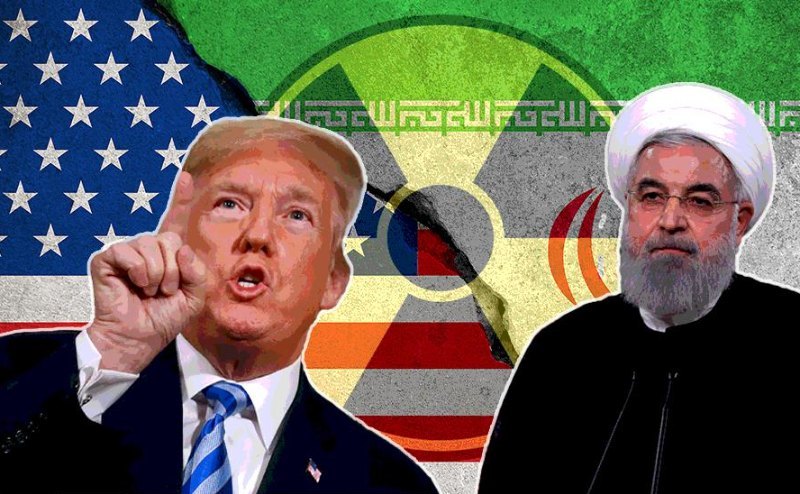
 US president Donald Trump alongside the Iran President Masoud
The United States has temporarily eased long-standing sanctions on Iranian oil exports in a significant diplomatic move aimed at advancing peace negotiations with Tehran and reducing tensions in the Middle East. The decision was announced on June 22, 2026, when the U.S. Treasury Department issued a 60-day general license allowing the sale, delivery, import, financing, insurance, and transportation of Iranian crude oil and petroleum products.
The sanctions relief is not permanent. Instead, it is part of an interim agreement reached during ongoing talks between Washington and Tehran. According to reports, the waiver will remain in force until August 21, 2026, while negotiators work toward a broader and more comprehensive agreement.
The primary reason for the move was to encourage Iran's cooperation on several key issues. U.S. officials said Tehran had agreed to allow renewed inspections by the International Atomic Energy Agency (IAEA) and to support the free movement of commercial vessels through the strategically important Strait of Hormuz, one of the world's busiest oil shipping routes. These commitments formed part of a wider framework intended to reduce regional tensions and maintain a ceasefire environment.
The decision marks a major shift from the "maximum pressure" sanctions policy that had severely restricted Iran's oil exports since sanctions were reimposed in 2018. Those measures were designed to limit Tehran's oil revenue and pressure the country over its nuclear activities and regional policies. Before the sanctions were reinstated, countries such as China, India, Japan, South Korea, Turkey, Greece, and Italy were among the largest buyers of Iranian crude.
The easing of sanctions is also expected to have a significant impact on global energy markets. Analysts say allowing Iranian oil back onto international markets could increase supply and help stabilize prices after months of volatility caused by conflict and disruptions in the Middle East. Following the announcement, oil prices fell as traders anticipated greater availability of crude supplies.
Reports from international media, including BBC coverage of the wider U.S.-Iran negotiations and developments in the Strait of Hormuz, indicate that the sanctions waiver is closely tied to diplomatic efforts to secure a lasting agreement between the two countries. The talks have been mediated by regional partners and are aimed at addressing concerns over Iran's nuclear activities, maritime security, and regional stability.
While supporters view the sanctions relief as a necessary diplomatic incentive, critics argue that it could provide Iran with billions of dollars in additional revenue before a final agreement is reached. Estimates suggest Iran could earn several billion dollars during the 60-day waiver period if oil exports increase significantly.