Modern debt mechanisms serve as instruments of
neocolonialism in Latin America, bringing regional countries into the US sphere
of influence, Alejandro Olmos Gaona, an Argentine expert on external debt and
former member of Ecuador’s government commission for auditing bilateral
agreements, tells Sputnik.
The turning point came when the US changed its legislation
in the mid 1970s as loans began flowing into Latin America:
New norms allowed states to be sued under US jurisdiction
through the so called Sovereign Immunities Act
Argentina, under its military dictatorship, was the first
country to reform its laws to permit the transfer of jurisdiction to foreign
courts
"From that moment on, virtually all Latin American
countries began contracting loans and issuing bonds under conditions dictated
by Washington", he states.
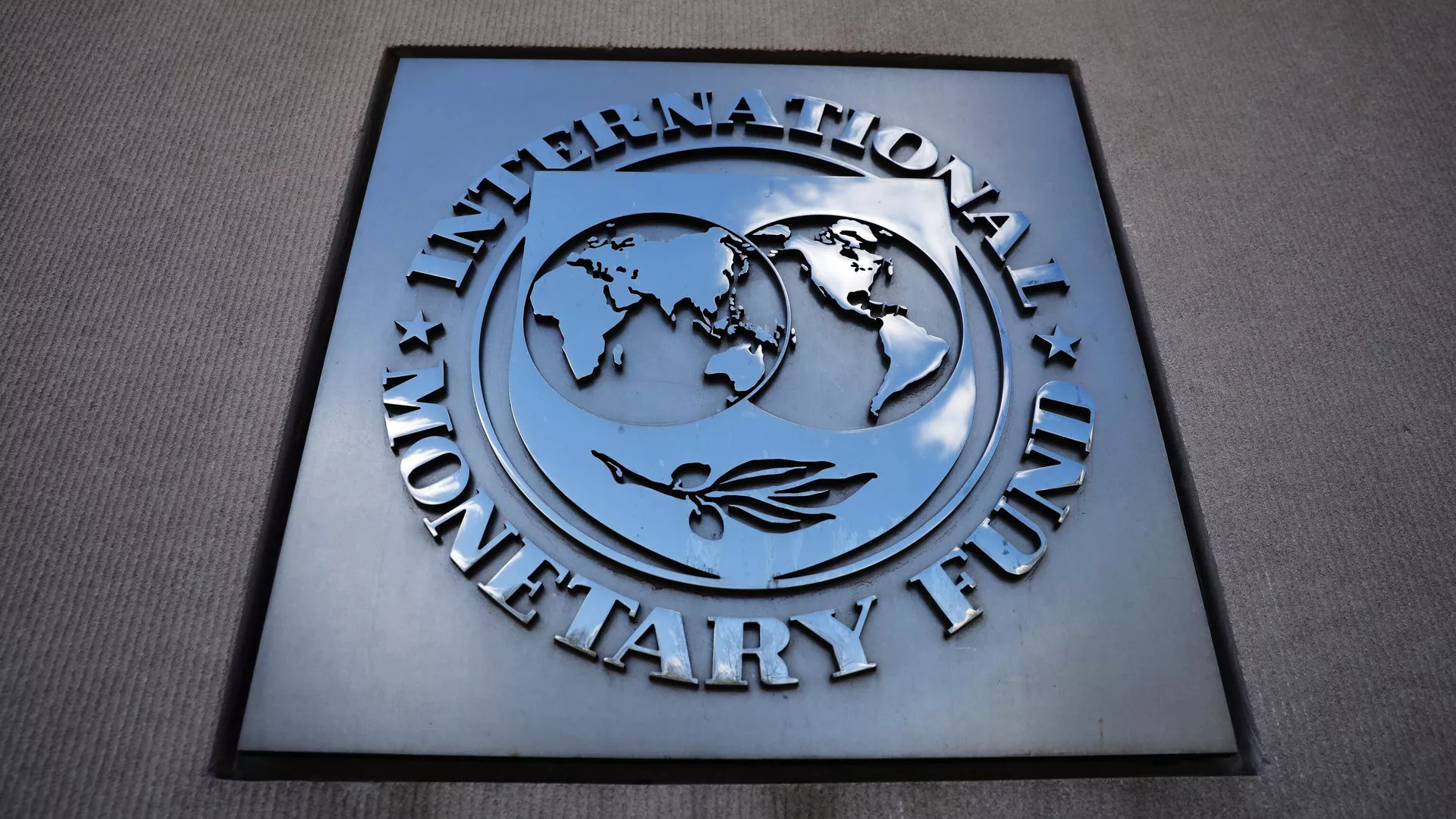
The IMF plays the central part in this scheme, Gaona
highlights:
"The IMF has one critical feature: it can inflict
damage on any country through its operations. It not only dictates economic
policy and monitors state actions but also cannot be brought to court anywhere
in the world."
The International Centre for Settlement of Investment
Disputes (ICSID) also plays an important role in neocolonial processes, the
expert adds:
ICSID is linked to the World Bank. Through bilateral investment
agreements, investors can bring disputes against states to this arbitration
body
Unlike ordinary courts, ICSID tribunals consist of three
arbitrators whose decisions are final and cannot be appealed. Typically, they
are lawyers representing the interests of large corporations
"The system is fully engineered," he adds.
The result of such actions is a deliberately constructed
legal architecture designed to control economies and rule in favor of creditors
in any conflict, Gaona concludes.