Kenya has set an ambitious target of
attracting one million Chinese tourists. At first glance, that figure may sound
unrealistic.
But when placed against China’s huge
population and rising middle class, it becomes clear that the goal is
achievable—if Kenya uses the current China-Africa Year of People-to-People
Exchanges wisely.
Recent figures show encouraging
progress in Chinese tourist arrivals to Nairobi. The number rose to 105,000 in
2025, up from more than 90,000 the previous year. Before COVID-19, the figure
stood at 84,000.
This steady growth proves that the
Chinese market is recovering and expanding. With more than 1.4 billion people
in China, even attracting a small fraction could transform Kenya’s tourism
sector.
The Year of People-to-People
Exchanges offers the perfect platform to push these numbers higher. Cultural
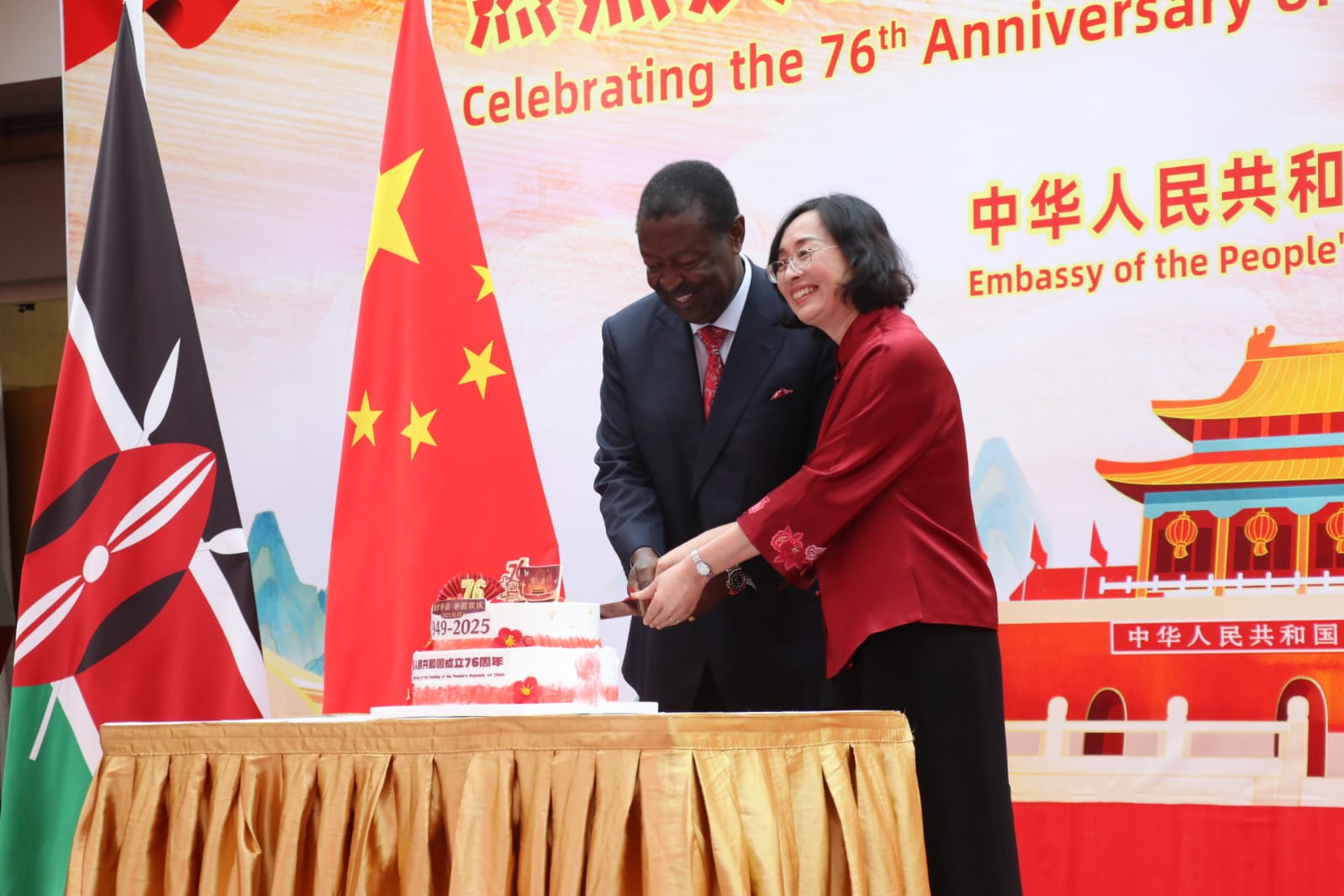
celebrations such as the Chinese Lunar New Year gala in Nairobi have
highlighted the warmth between the two nations.
During the event, leaders from both
sides praised the deep historical ties and called for stronger youth, cultural,
and tourism exchanges.
Such high-level goodwill should not
remain symbolic. It should translate into real travel and business
opportunities.
Kenya has already demonstrated
creativity through the China-Kenya Cultural Tourism Season.
There have been acrobatic exchanges
where Chinese performers shared the stage with Kenyan artists, drawing large
audiences and media attention. The colourful shows blended tradition and modern
art, sparking curiosity among potential visitors.
In addition, Kenya and China
organised a joint live streaming of the wildebeest migration from the Maasai
Mara National Reserve for Chinese viewers, an event graced by President William
Ruto, underscoring the political goodwill behind the exchanges. Millions were
able to watch one of the world’s greatest wildlife spectacles in real time.
This was not just entertainment; it
was smart marketing. It allowed Chinese families to experience Kenya’s natural
beauty instantly, planting the idea of visiting in person.
Food has also played a role in
strengthening tourism ties.
A culinary competition at Kenya
Utalii College brought together chefs from both countries to showcase dishes
that blended Kenyan and Chinese flavours. Culinary tourism is growing
worldwide, and such events help Chinese travellers feel that Kenya understands
and welcomes their culture.
Beyond short visits,
people-to-people exchanges are deepening roots.
More than 60,000 Chinese nationals
now live and invest in Kenya, contributing to the economy and acting as
informal ambassadors. Kenya has also sent cultural experts to China to learn
about preserving intangible heritage.
These exchanges create trust and
familiarity, which are essential for tourism growth.
The government must now turn this
cultural goodwill into a strong tourism strategy.
The Kenya Tourism Board and the
Ministry of Tourism and Wildlife should intensify marketing campaigns in
Mandarin and partner with Chinese travel agencies and digital platforms.
Promotions should highlight not only
wildlife safaris but also beach holidays, conferences, sports tourism, and
cultural festivals.
Travel facilitation is equally
important. Easier visa processes, clear travel information, and better air
connectivity will make Kenya more attractive. Hotels and tour operators can
train staff in basic Chinese language skills and adopt digital payment systems
popular in China.
Small adjustments can make visitors
feel more comfortable and valued.
Critics may argue that Kenya should
diversify its tourism sources instead of focusing heavily on China. That is
true. However, taking advantage of a special exchange year does not mean
ignoring other markets.
It simply means acting strategically
when opportunity knocks.
If Kenya builds on the success of
acrobatic exchanges, live wildlife broadcasts, and culinary collaborations, the
dream of one million Chinese tourists may not be far-fetched.
The Year of People-to-People
Exchanges is not just a diplomatic theme. It is a timely chance to turn
friendship into flights, festivals into bookings to Nairobi, Beijing, and other
cities in both countries, and cultural dialogue into economic growth.