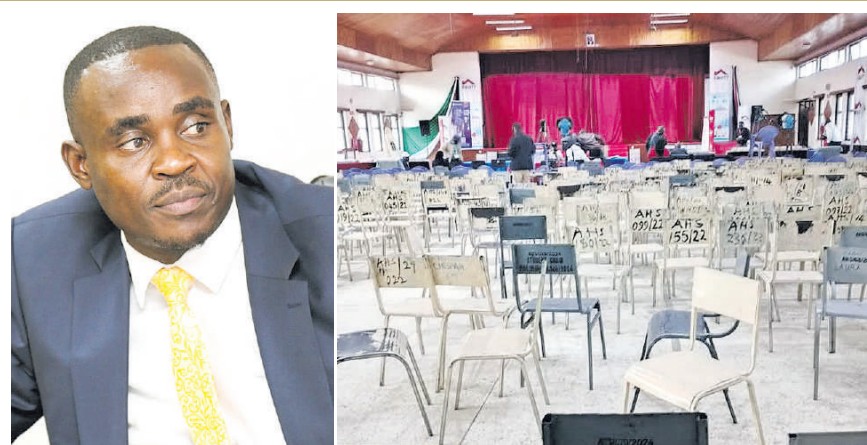
Harassment of former Kakamega Senator Cleophas Malala
over Butere Girls’ play has triggered
widespread condemnation, with
activists and politicians terming it
backward.
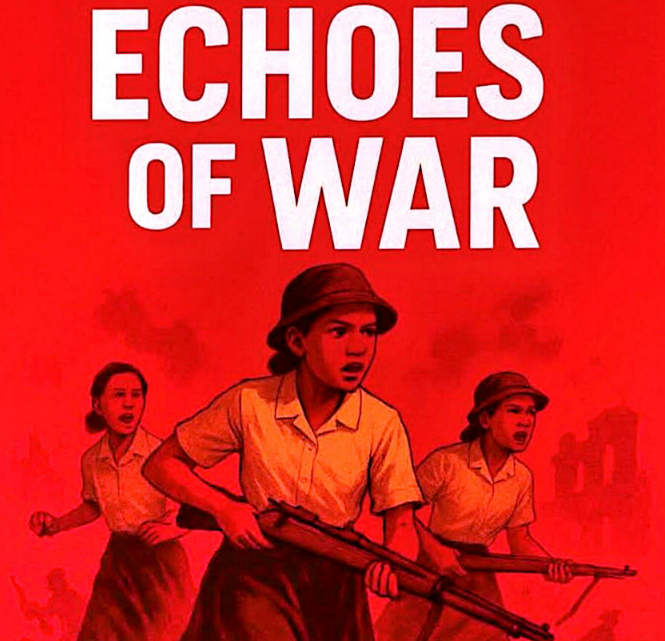
Malala’s ‘Echoes of War’ explores contemporary issues such as
technology, governance and social
justice relevant to Gen Z and the
youth’s struggle for civil liberties.
It centres on a nation recovering
from a civil war, with young citizens
at the forefront of rebuilding efforts
and critiques the role of digital spaces in governance and change.
On Wednesday, he was barred
from accessing a Kirobon Girls in
Nakuru where the girls were having
their rehearsals and later got arrested.
The play was also removed
from the performance list and only
okayed at the last minute under
strict conditions that included lack
of props and public address equipment and audience.
When the girls stepped on stage,
they sung the national anthem and
walked out.
The police later teargassed them
for protesting the stringent conditions and demanding Malala’s release.
The politician was briefly detained at the Eldama Ravine police
station but was later released.
ODM, Amnesty International, the Association of Media Women
in Kenya and the Kenya Human
Rights Commission described the
government’s action as illegal.
ODM said the young girls should
have been allowed to stage their
play.
It said freedom of expression allows Kenyans to express themselves.
“We reiterate that the freedom of
expression guaranteed by our constitution allows people of all ages to
express themselves freely even if we
do not particularly like what they
have to say,” secretary general Edwin Sifuna said.
For KHRC, the action amounted
to “violent assault on the freedoms
of thought, conscience, information,
expression and opinion—guaranteed by no less than the constitution— which violates the state’s
obligation to provide education to
children.”
Amnesty International said the
events were not only a shameful
abuse of police authority but a direct assault on constitutional freedoms.
By targeting a school play performed by children, it says, the
state is criminalising creativity and
turning cultural spaces into zones
of fear and censorship, calling for
an immediate stop to any form of
intimidation.
“We demand an immediate end
to the harassment, intimidation and
censorship directed at the students,
teachers and creatives behind the
play and call for the unconditional release of thespian Cleophas
Malala,” executive director Irungu
Houghton said.
“Silence is not safety—children
must be free to speak, perform and
imagine a different world without
the threat of state violence.”
Irungu also wants Ipoa to initiate
prompt and transparent investigations into the conduct of all police
officers and commanding officers
involved and hold them accountable for violating the policing code
of conduct.
The police also harassed journalists covering the developments, with
Amwik condemning the police for
using excessive force on journalists.
“Amwik denounces the excessive
use of force by law enforcement,
which undermines press freedom
and jeopardises public safety,” it
said.
Upon his release, Malala described the protest by the students
as heroic.
“It was a heroic moment for those girls because they
wouldn’t have performed without
the audience, decor, costume and
their directors. That is unfair,” he
said.