The Orange Democratic Movement
has scrapped use of anti-fraud technology in its grassroots elections and
will resort to raising hands to elect
new ward and constituency officials.
Raila Odinga’s opposition party on
Thursday announced raising hands as
one of the methods of picking officials, despite acquiring Sh200 million in voting devices just three years ago.
The technology was deployed
during the party primaries in the
run-up to the 2022 elections.
The deployment of digital voting
was meant, among other measures,
to curb electoral fraud and ensure
credibility of the exercise that in the
past had been marred by chaos and
violence.
In the digital voting, party members had their biometrics displayed
before being allowed to vote and once
a member cast his or her vote, it was
transmitted electronically to the designated tallying centre.
The devices also ensured a person
could only vote once.
It was widely expected that the
outfit would use the same devices
in the grassroots elections starting
next month.But on Thursday, National Elections Coordinating Committee
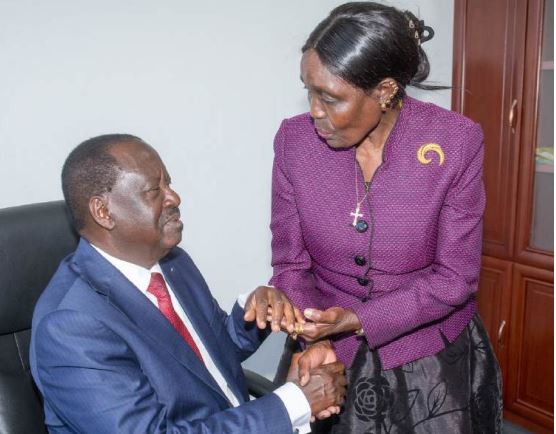
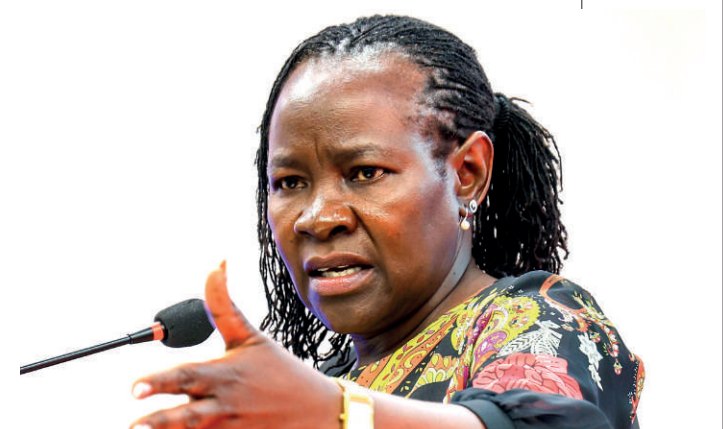
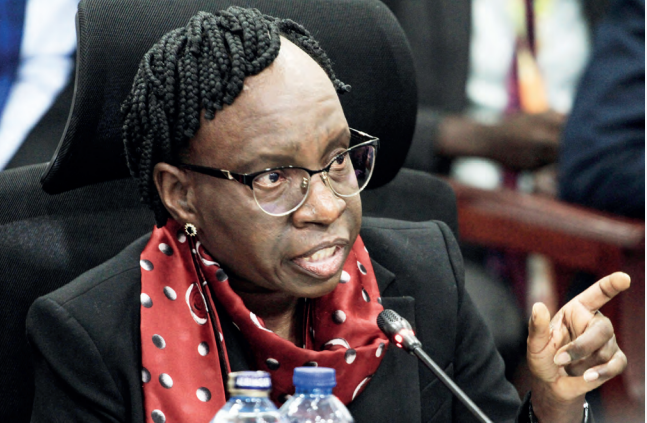
(NECC) chairperson Emily Awita
directed that the anticipated polls
will be either by consensus or voting
by a show of hands
“Elections will be conducted
through consensus or voting by a
show of hands,”
Awita said in a communication to party members dated Thursday.
“Only delegates elected at the
poling unit level will be eligible to
participate as voters or candidates.”
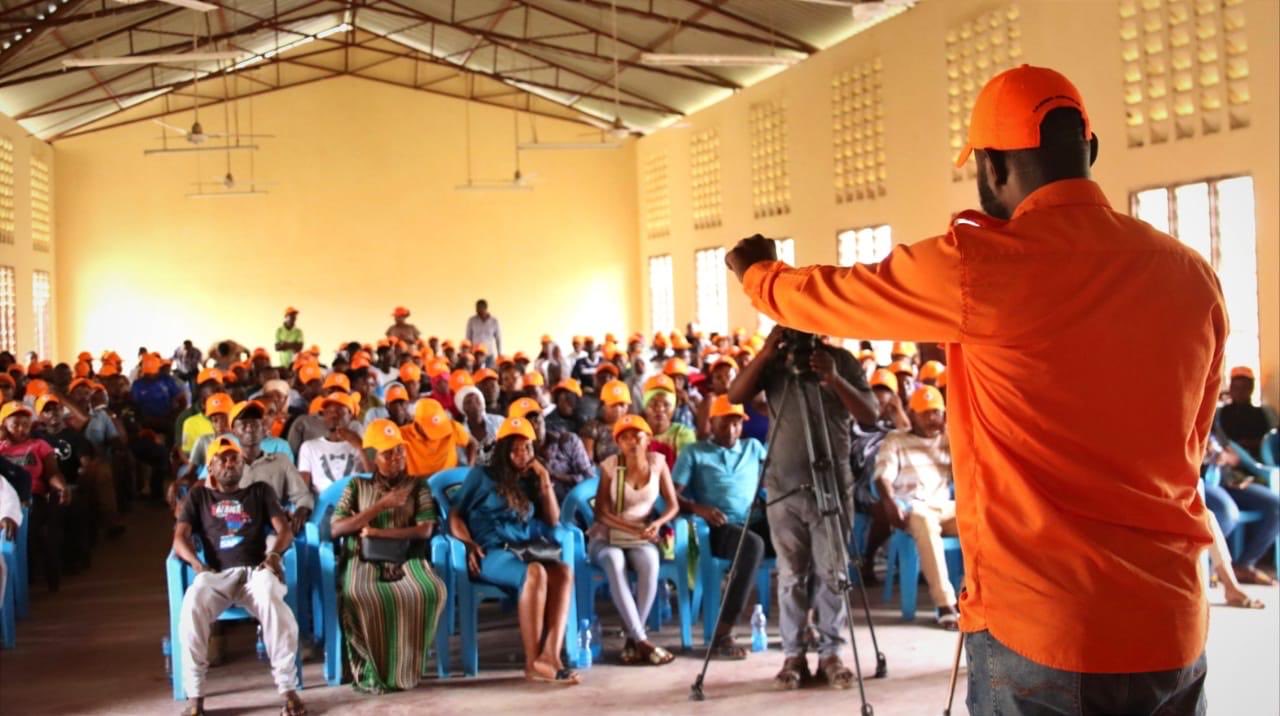
The party conducted grassroots elections at the polling stations in
November last year.
NECC is mandated—by the ODM
constitution—to plan, organise, direct,
conduct, supervise and co-ordinate all party elections and nominations of
candidates, including grassroots polls.
According to the communication,
the Party will conduct sub-branch
(ward) elections on April 7 across all the 47 counties.
“The branch
(constituency) elections will be held
on Wednesday, April 9, 2025, at designated centres across the 290 constituencies nationwide,” Awita said.
A total of 77 party officials will
be elected at subbranch and branch
levels across the four committees –
Mainstream, Women’s league, Youth
League and Disability League.
In the mainstream, the positions to
be filled include chairperson, deputy
chairperson, secretary, deputy secretary, treasurer, deputy treasurer, organizing secretary, and his or her
deputy.
The delegates will also elect the
Secretary for Women, Youth, Disability, and Special Interest Group representative.
In addition, the mainstream will
also have eight officials designated
as committee members.
Awita said the remaining committees—Women’s League, Youth
League, and Disability League—will
elect chairpersons, deputy chairpersons, secretaries, deputy secretary,
treasurer, deputy treasurer, Organising secretary and his deputy secretaries, and special interest group
representatives.
They will be joined by 11 additional committee members. Aggrieved
members will have 12 hours following the declaration of results to lodge
Complaints.
Ward results require a Sh15,000
fee to contest results. Contesting
constituency results will require a
Sh30,000 fee.
UDA is also expected to conduct
its second phase of grassroots elections from April 11 to12 accross 22
counties.