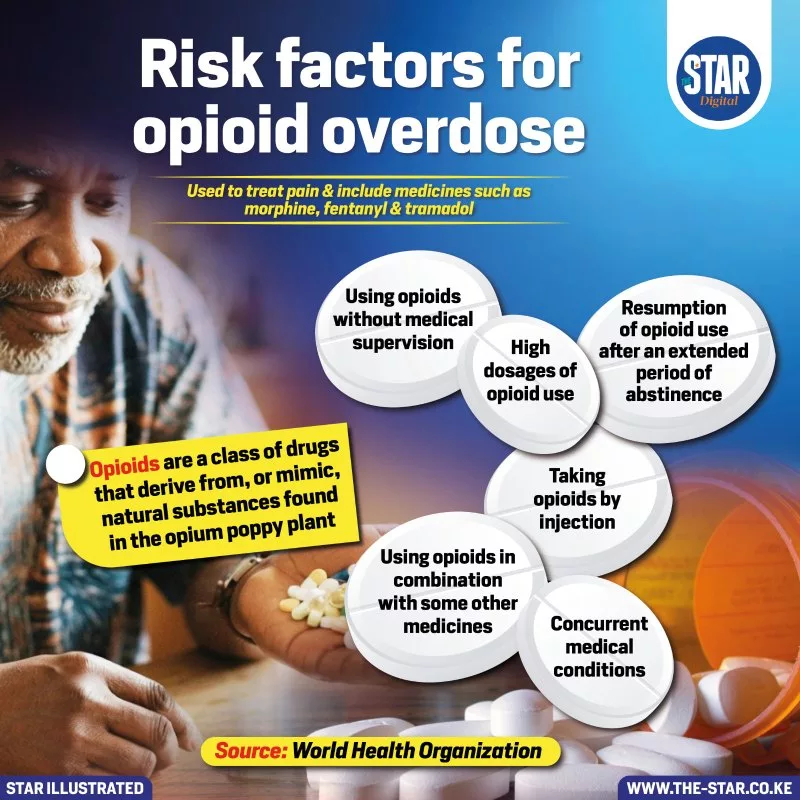
The World Health Organization has highlighted the critical risk factors associated with opioid overdose, drawing attention to a class of drugs commonly used to treat pain.
These substances include widely prescribed medicines such as morphine, fentanyl, and tramadol.
Opioids are defined as a class of drugs that derive from, or mimic, natural substances found in the opium poppy plant.
While effective for pain management, specific behaviors and health contexts significantly elevate the danger of a life-threatening overdose.
A primary driver of overdose danger is using opioids without medical supervision, alongside administering high dosages of opioids.
Patients face heightened vulnerability when taking opioids by injection or using opioids in combination with some other medicines.
Furthermore, the resumption of opioid use after an extended period of abstinence presents a severe risk, as a person's physical tolerance changes during the period of non-use.
Concurrent medical conditions also act as a major risk factor, complicating how the body processes these powerful substances.
Understanding these medical parameters is essential for patient safety, as the boundary between therapeutic pain management and a fatal overdose often depends on these specific variables.
By identifying these triggers, the World Health Organization underscores the importance of strict medical oversight and adherence to prescribed guidelines to mitigate the severe public health impacts related to opioid misuse.