Every journey has a beginning. For Kenya’s motorists, that beginning dates back more than a hundred years to a time when cars were rare than elephants and the word highway didn’t yet exist.
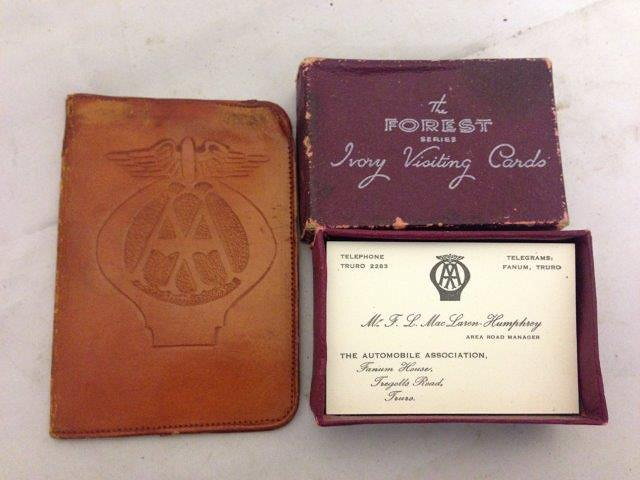
The Automobile Association of Kenya (AA Kenya), today known for roadside rescue, driver training and road safety advocacy, started as a small motoring club with a big dream: to open up Kenya to mobility.
The birth of a motoring nation
In 1919, a group of motoring enthusiasts founded the Automobile Association of Kenya a visionary idea in a country with only a handful of vehicles. Kenya had no roads, no fuel stations and few drivers, but these pioneers believed mobility would change everything.
Just four years later, in 1923, AA Kenya imported the country’s first car — the Riley 12/50 Touring Sedan. It wasn’t just a vehicle; it was a milestone. The Riley was used to test routes, survey the land and map Kenya’s earliest motoring paths.

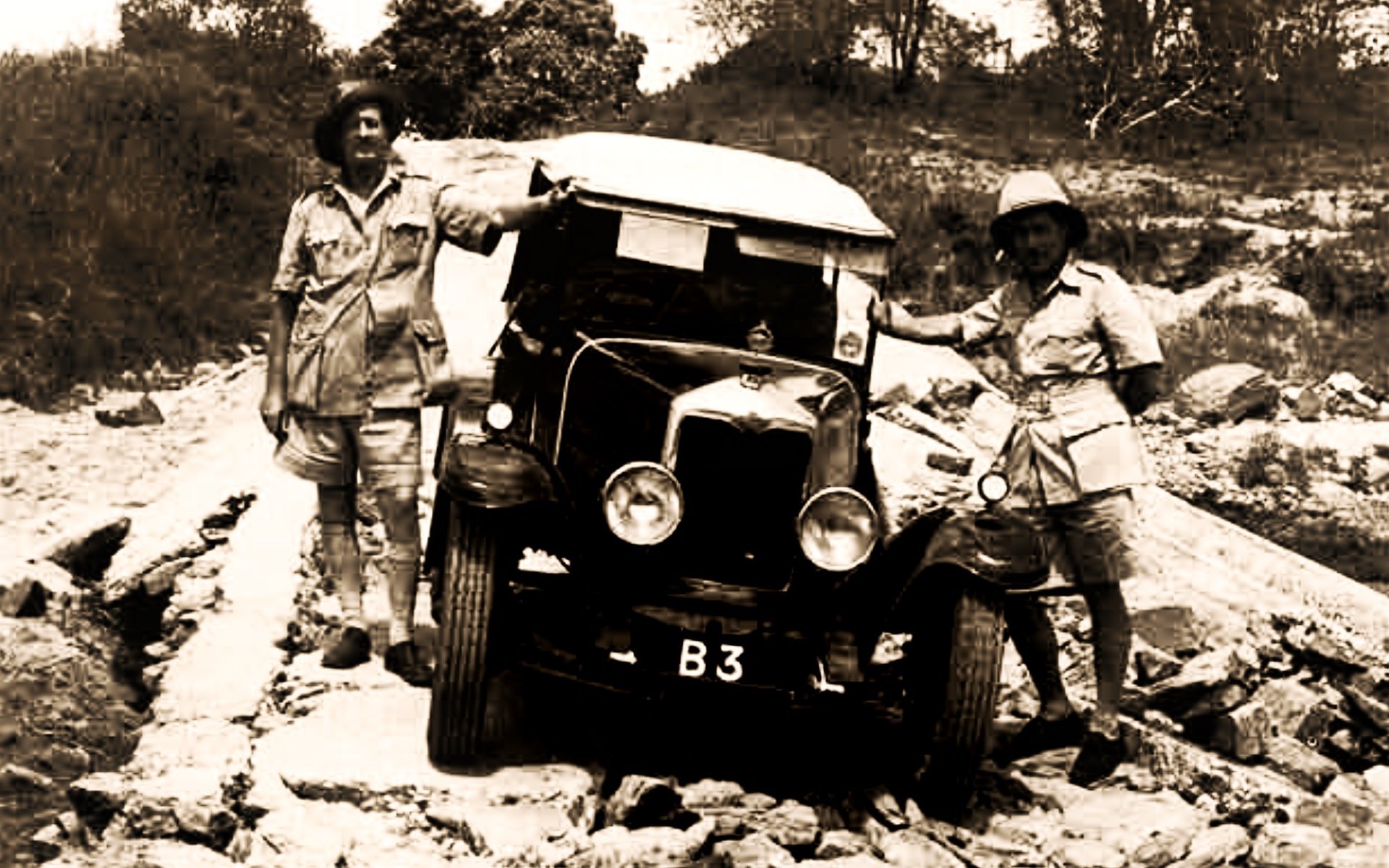
Then came the legendary journey that sealed AA Kenya’s place in history. In 1926, Galton Fenzi and Captain Gethin set out to drive from Nairobi to Mombasa, without roads, maps or fuel stations.
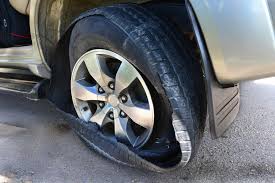
It took 15 days, 56 punctures and one historic finish. When their Riley finally rolled into Mombasa, they had done more than reach the Coast, they had opened Kenya to the automobile age.
“That drive was more than an adventure. It was the birth of Kenya’s transport network,” says AA Kenya historian Michael Murigi.
The Galton-Fenzi Memorial Stone, still standing on Nairobi’s Kenyatta Avenue, commemorates that feat. A tribute to the courage and ingenuity that would define AA Kenya for generations.
From drums to depots
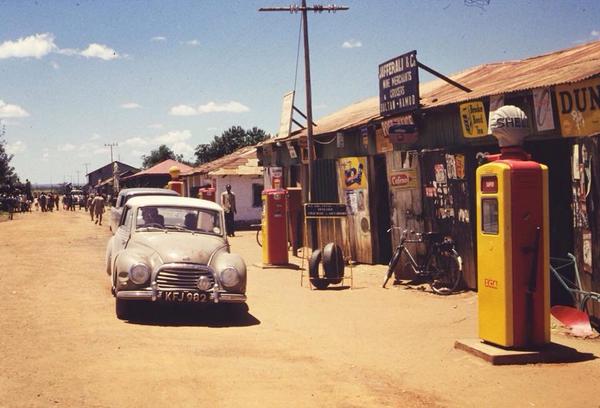
In the 1930s, motorists refueled from oil drums stored in backyards, a system as unsafe as it was unreliable.
AA Kenya stepped in to organise the country’s first fuel depots, transforming refueling from a risky improvisation into a professional network. That move laid the foundation for Kenya’s modern petrol stations, forever changing how people travelled.
The birth of the Safari Rally and Autonews
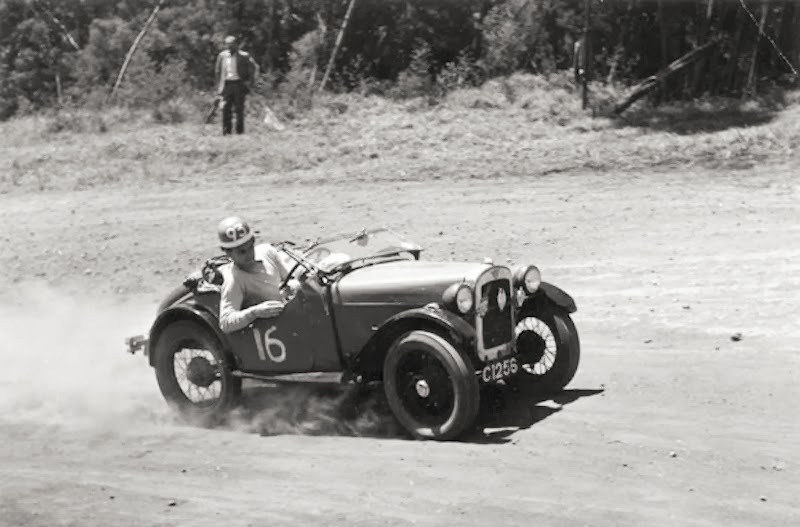
By the 1950s, Kenya’s roads were expanding and so was its motoring culture. AA Kenya became the driving force behind two institutions that would shape national pride and knowledge for decades.
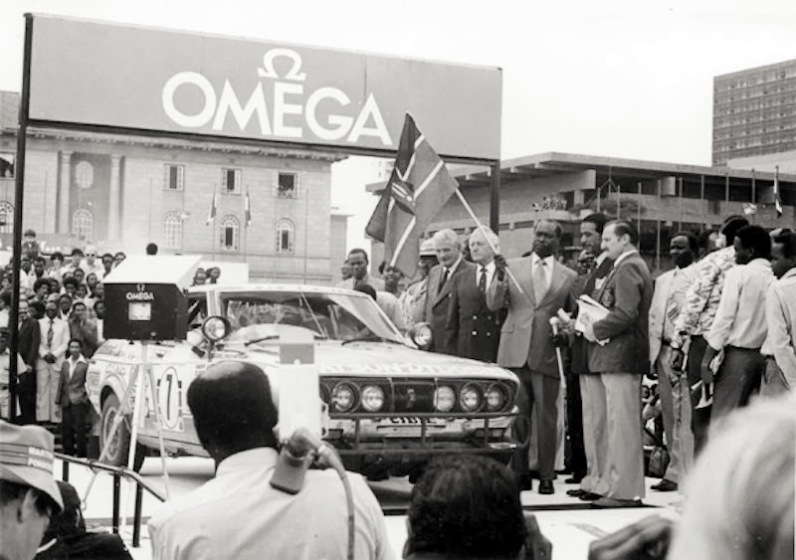
In 1953, it founded the East African Coronation Safari, later known as the Safari Rally, an endurance race across East Africa’s wildest terrain.
The rally quickly gained global fame. When Joginder Singh, “The Flying Sikh,” won in 1965, he became a symbol of Kenyan grit and determination.
That same year, AA Kenya launched Autonews, the first motoring magazine in the country. With articles on maintenance, safety and innovation, it empowered drivers to understand their cars and themselves better.
“Autonews didn’t just talk about cars; it built confidence,” recalls veteran journalist Gavin Bennett, who wrote the long-running column Driving in Kenya.
Driving education for a new nation
In 1962, AA Kenya opened the country’s first professional driving school. It set the standard for formal driver training, introducing structure, safety and certification to an activity that had once been self-taught.
From teenagers in Nairobi to PSV operators in Eldoret, millions have since passed through its classrooms, learning not just how to drive but how to do so responsibly.
Setting the standard
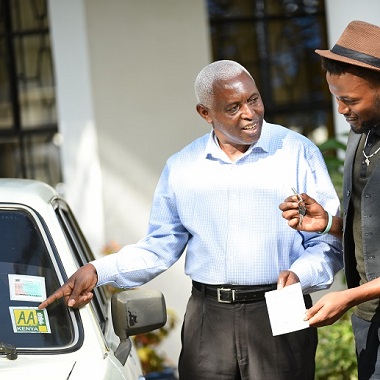
Through the decades, AA Kenya’s influence spread beyond education. It established roadside assistance, vehicle inspection, fleet management and import advisory services each designed to make life safer and easier for motorists.
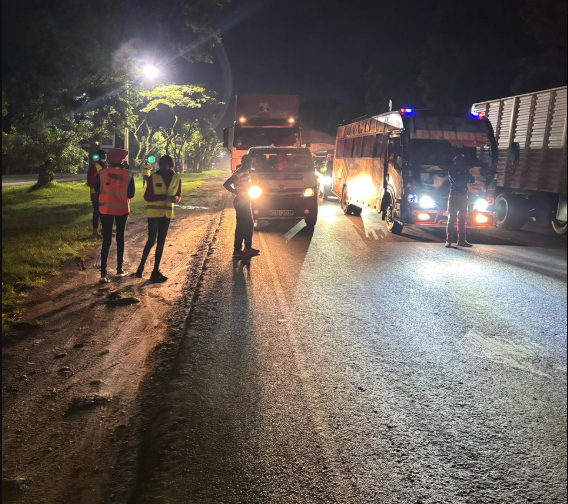
From rescuing stranded families on the highway to certifying vehicles for import, AA Kenya became the trusted partner for drivers at every stage of their journey.
Safety, advocacy and the next generation
Today, AA Kenya continues to evolve as the voice of road safety and responsible mobility.
As Kenya’s member of the Fédération Internationale de l’Automobile, the association leads initiatives like the Star Rating for Schools (SR4S) project, which improves safety around learning institutions and the Boda Licence na Mia campaign, which promotes safe, affordable licensing for boda boda riders.
It also runs the African Best Young Driver programme, empowering youth to champion safe driving practices through competition and training.

“We are not just teaching people how to drive,” says AA Kenya CEO Francis Theuri. “We are shaping a generation that understands mobility as a shared responsibility.”
A Legacy that keeps moving
From the Riley 12/50 that blazed the first trail to Kenya’s ongoing exploration of electric and smart mobility, AA Kenya’s story is one of courage, innovation and purpose.
Over a century later, with more than 100,000 members nationwide, the association remains the guardian of Kenyan roads and the conscience of its drivers.
Wherever you find a road in Kenya, from the rugged backroads of Turkana to the tarmac stretches of the Nairobi Expressway, you find traces of AA Kenya’s work.
“Every milestone we have achieved is part of Kenya’s story,” Theuri says. “And our journey is still unfolding.”