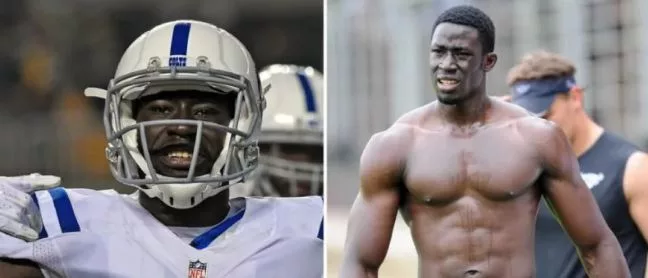
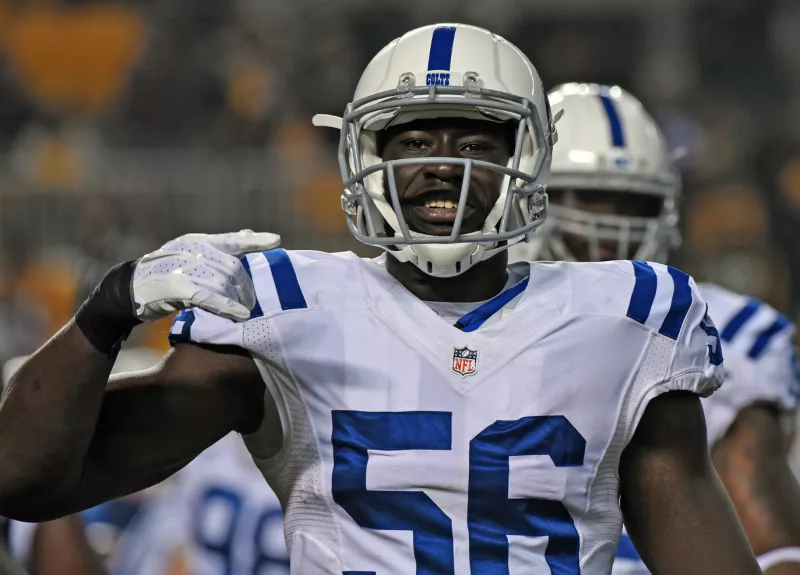
 Daniel Adongo when he played for the Indianapolis Colts/SCREENGRAB
Daniel Adongo’s unlikely journey from rugby fields in South Africa to the biggest stage in American football made him one of the most unusual sporting stories to emerge from the country.
Adongo, 37, became the first Kenyan to play in the National
Football League (NFL) when he joined the Indianapolis Colts in 2013 despite
having never played American football before.
His transition from rugby union to the NFL captured international attention and was seen as a remarkable example of sporting versatility and determination.
Born in Nairobi in 1989, Adongo developed his sporting career through rugby, a sport he played professionally before making his bold move into American football.
He featured in South Africa’s professional rugby system, where his physicality, speed and athletic ability caught the attention of scouts looking for players who could adapt to the demands of the NFL.
In 2013, the Indianapolis Colts signed him as an outside linebacker after identifying his potential as a defensive player.
The move was unprecedented-Adongo had no previous experience in American football and had to learn the complex rules, techniques and strategies of the sport at the highest professional level.
His journey was followed closely by fans and media because of the challenge he had taken on.
Standing out because of his size and athleticism, Adongo spent two seasons with the Colts and made two official NFL appearances before being released in 2015.
Although his NFL career was brief, his achievement remained historic. He became the first Kenyan-born player to feature in an NFL game, opening conversations about the possibility of athletes from non-traditional American football countries making it to the league.
However, after his football career ended, Adongo’s life in the United States became increasingly difficult. His immigration status became uncertain after his visa expired in 2016, according to a statement from the US Immigration and Customs Enforcement (ICE).
US authorities said Adongo remained in the country after his visa expired and was later arrested multiple times in Indiana over several years. ICE said the arrests involved allegations including felony intimidation, battery and disorderly conduct.
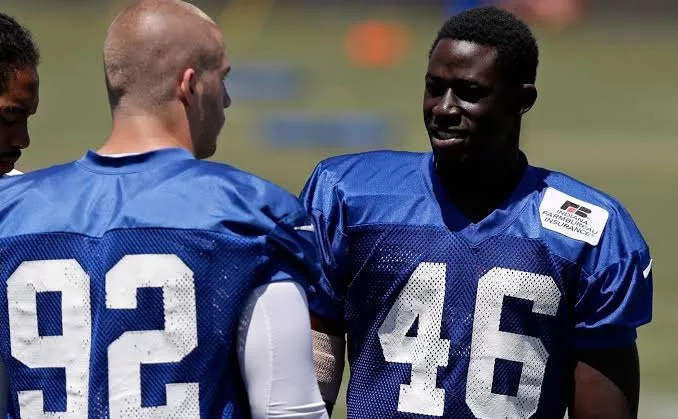 Daniel Adongo /SCREENGRAB
In March 2025, a federal judge signed a removal order against him, and he was deported from the United States on June 20, according to ICE. The agency described him as a “dangerous individual” and said his removal was linked to his immigration violations, criminal record and time spent in prison.
The deportation came amid President Donald Trump’s renewed immigration crackdown during his second term, which has focused on removing undocumented immigrants, particularly those with criminal convictions.
However, supporters and advocates who opposed his deportation highlighted concerns about Adongo’s mental health and medical condition.
A petition seeking to stop his removal argued that doctors and social workers who worked with him believed he may have been suffering from Chronic Traumatic Encephalopathy (CTE), a brain disease associated with repeated head impacts and often linked to contact sports.
Reports from the Indianapolis Star indicated that Adongo had spent time in a psychiatric hospital following legal challenges.
In 2017, after he was charged with intimidation and criminal mischief, a judge ordered a psychiatric evaluation to determine whether he was fit to stand trial. He was later ruled incompetent and sent for treatment.
His father, Joe Adongo, spoke publicly in 2020 about the challenges his son was facing after videos circulated online showing the former athlete appearing unwell. The family suggested that mental health struggles and possible injuries from his sporting career contributed to his difficulties.
In 2020, Adongo was convicted of criminal mischief causing damage and sentenced to 364 days in prison, according to ICE.
His later legal troubles brought renewed attention to the struggles some athletes face after leaving professional sports, particularly those who experience sudden changes in identity, income, support systems and health.