
Political uncertainty ahead of the August 10, 2027
General Election could undermine the country's fragile economic recovery, the
World Bank has warned.
In its latest Kenya Economic Update release on July 9,
the World Bank cautions that election-related tensions, policy uncertainty and
increased public spending pressure risk slowing investment and derailing key
reforms.
The lender warns that while Kenya has made significant
progress in stabilising the economy — easing inflation, exchange rate stability
and a recovery in private sector credit — these gains remain vulnerable as the
country enters the election cycle.
"Political uncertainty related to the electoral cycle
could also weigh on economic activity and reform momentum," the World Bank
says.
"At the same time, pre-election spending pressures
could weaken fiscal discipline and delay planned consolidation efforts, while
heightened political tensions could adversely affect business and consumer
confidence."
The warning comes as campaigns intensify more than a year
before Kenyans head to the polls.
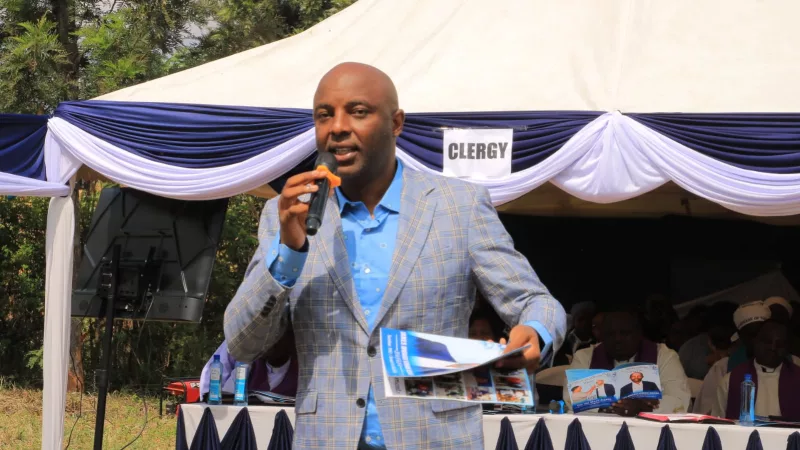
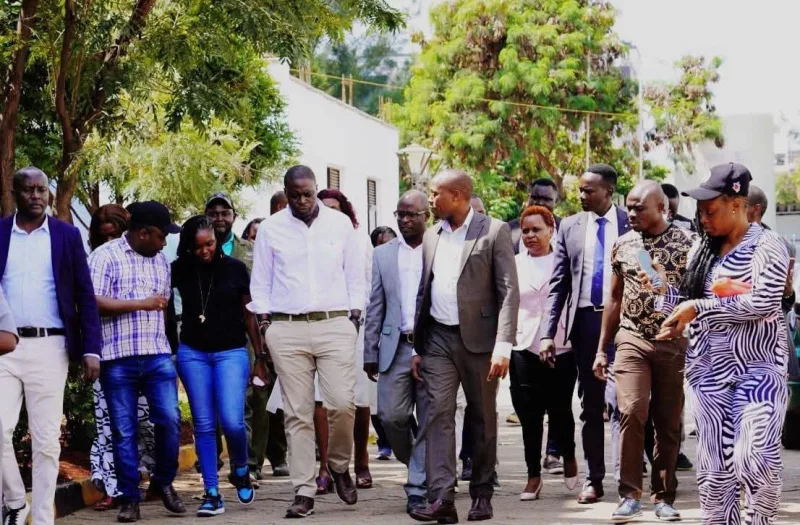
With alliances taking shape, recent by-election contests,
including the upcoming by-election in Ol Kalou, have heightened political
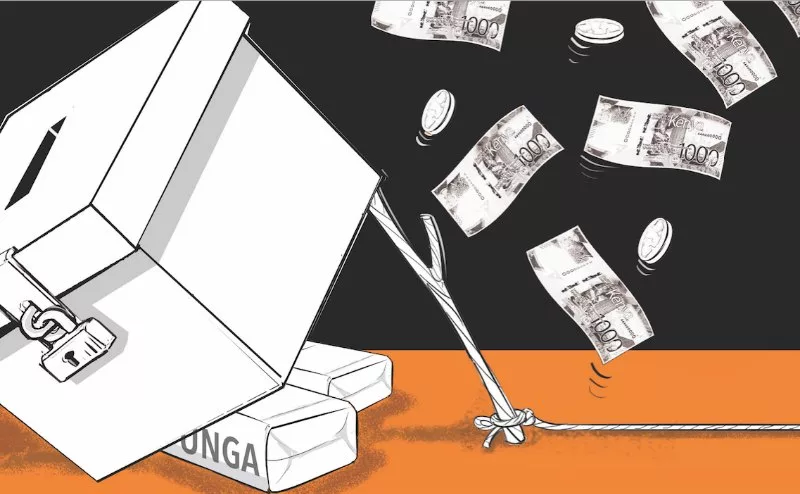
tensions, with concerns growing over political violence, voter bribery and
intimidation.
Although the World Bank does not predict electoral violence,
its assessment mirrors concerns raised by other organisations monitoring
Kenya's political environment.
The Kofi Annan Foundation's latest Electoral Vulnerability
Index estimates an 84.1 per cent probability that Kenya could experience some
form of electoral violence during the 2027 General Election.
While Kenya's Electoral Vulnerability Index score of 45.4
remains below the regional average, the foundation says structural risk
factors, including political polarisation, unresolved grievances and
institutional vulnerabilities, continue to heighten the likelihood of
election-related unrest.
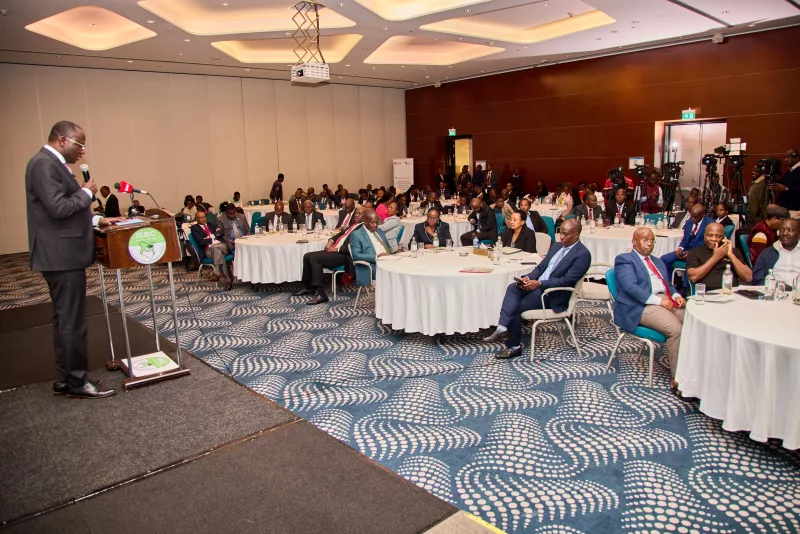
The Independent Electoral and Boundaries Commission has also
sounded the alarm over the country's political environment.
In its 2024-29 Strategic Plan, IEBC lists electoral
violence, political polarisation, lack of political goodwill, fake news and
misinformation among the major threats facing preparations for the election.
The commission also warns of security threats and staff
profiling by political actors, alongside increasing public protests and
tensions surrounding the electoral process.
Those concerns have increasingly manifested during recent
electoral contests.
The Ol Kalou parliamentary by-election, among the first
major political tests ahead of 2027, has been characterised by intense
competition between rival political camps, allegations of intimidation,
violence and heightened deployment of state officials in the campaign trail.
Similar tensions have accompanied other recent by-elections
in Mbeere, Malava and Kasipul, reinforcing concerns it could signal the
political environment at the General Election.
The lender argues that election-related uncertainty often
causes investors to postpone expansion plans until the political environment
becomes clearer, slowing private sector investment that is essential for
sustaining economic growth.
The report also warns that governments approaching elections
frequently face pressure to increase public spending, making it harder to
maintain fiscal discipline.
That warning comes at a delicate moment for Kenya's public
finances. The World Bank notes that fiscal performance weakened during the
first three quarters of the 2025-26 financial year as revenue underperformed
while expenditure pressures increased.
Public debt remains elevated at 68.9 per cent of GDP, while
rising domestic borrowing continues to constrain fiscal space. Interest
payments now consume 35.5 per cent of total government revenue and grants,
limiting resources available for development spending.
While Kenya's economy is projected to continue expanding,
the World Bank has revised its growth forecast for 2026 to 4.3 per cent. This
is lower than earlier projections following the conflict in the Middle East,
which has pushed up fuel prices and widened external pressures. The report
nevertheless says growth should gradually recover over the medium term, if
reforms continue and macroeconomic stability is maintained.
The lender maintains that Kenya retains significant
opportunities to strengthen resilience through continued fiscal reforms,
improved public sector governance and measures that encourage private
investment.
It, however, cautions that preserving recent economic gains
will require insulating economic policy from election-cycle pressures.