Kenyans seeking reliable information on biotechnology and biosafety can now access it more easily following the launch of a continental digital platform.
The platform seeks to bring together regulatory decisions, approval processes and country-specific data on genetically modified (GM) crops and products from across Africa.
The newly launched Biotech Africa Database is expected to
improve transparency, support evidence-based policymaking, facilitate regional
trade and help researchers, regulators, farmers and the public access credible
information on agricultural biotechnology.
Developed by the International Service for the Acquisition of Agri-biotech Applications (ISAAA AfriCenter) and its partners, the online portal provides country-specific information on biotech crop approval decisions, summaries of biosafety regulations, and step-by-step guidance on import, export and transit requirements for biotech products across African countries.
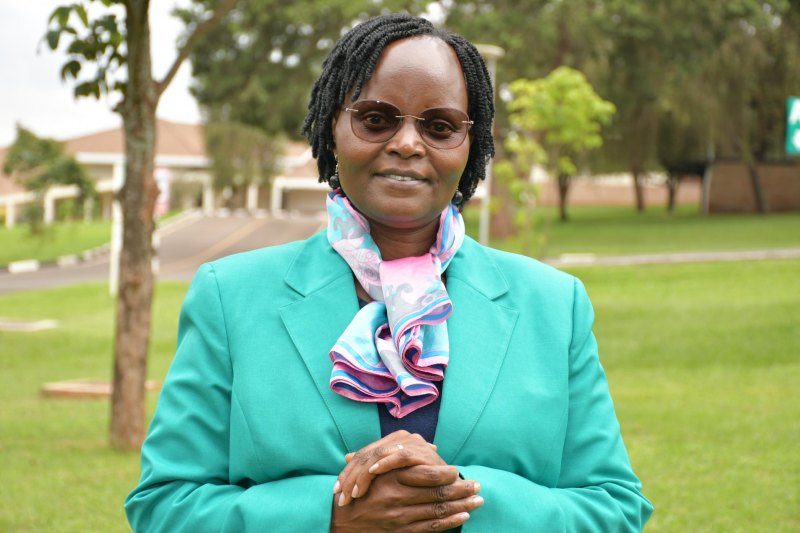
Speaking during the launch, ISAAA AfriCenter Director Dr Margaret Karembu described the platform as a milestone in strengthening data-driven regulatory decision-making across the continent.
"Today we have opened a door where data replaces rumours, where a farmer in Kampala sees the same biotech information as a researcher in Kaduna, a trader in Johannesburg and a policymaker in Addis Ababa," said Karembu.
She noted that easier access to verified regulatory information will enhance public confidence, reduce misinformation and support countries in making science-based decisions on biotechnology.
According to Karembu, Kenya is among 73 countries worldwide that either cultivate or trade in biotech crops. The country currently grows bollworm-resistant genetically modified cotton, which received commercial approval in December 2019.
Kenya's Biosafety Law permits the importation of genetically modified organisms (GMOs) through an application process outlined under the Biosafety (Import, Export and Transit) Regulations, 2011, subject to approval by the relevant authorities.
Karembu said more than 20 biotech crops are currently cultivated in 31 countries, with the global area planted under biotech crops reaching 218.71 million hectares. Another 29 countries import biotech products for food, feed or processing.
"In Africa, six biotech crops have been approved for cultivation in 10 countries including South Africa, Sudan, Malawi, Ethiopia, Kenya, Nigeria, Eswatini, Ghana, Burkina Faso and Rwanda," she said.
The approved biotech crops include cassava, cotton, cowpea, maize, potato and soybean, with improved traits such as drought tolerance, pest and disease resistance, enhanced nutrition, increased productivity and herbicide tolerance.
Africa currently cultivates approximately 3.98 million hectares of biotech crops, accounting for nearly two per cent of the global biotech crop area.
According to the Food and Agriculture Organization (FAO), Africa's population is projected to reach about 2.5 billion by 2050, while food demand is expected to more than double over the same period, increasing pressure on agricultural systems to produce more food using fewer natural resources.
At the same time, the African Development Bank estimates that climate change could reduce crop yields in some African countries by up to 20 per cent by 2050 if adaptation measures are not accelerated, highlighting the need for climate-resilient agricultural technologies.
The database is expected to benefit regulators, traders,
researchers, seed companies, students and development partners by providing
timely access to regulatory approvals, biosafety frameworks and biotechnology
developments across Africa.
It is also expected to support implementation of the African Continental Free Trade Area (AfCFTA) by making biosafety and biotechnology regulations more transparent and easier to navigate for countries trading agricultural products across borders.