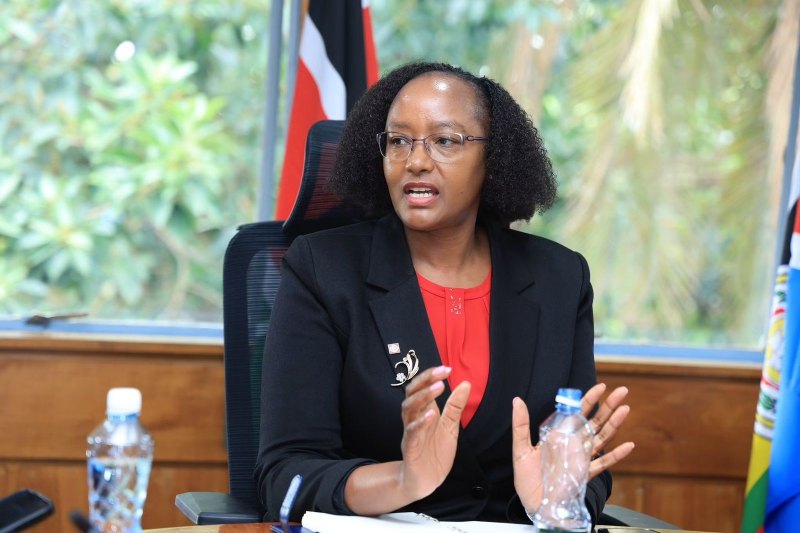
Thousands of survivors of conflict-related sexual violence in Kenya are yet to receive recognition, support or reparations, transitional justice expert Christine Alai has said, urging the government to ensure they benefit from a proposed compensation framework for victims of protest-related violations.
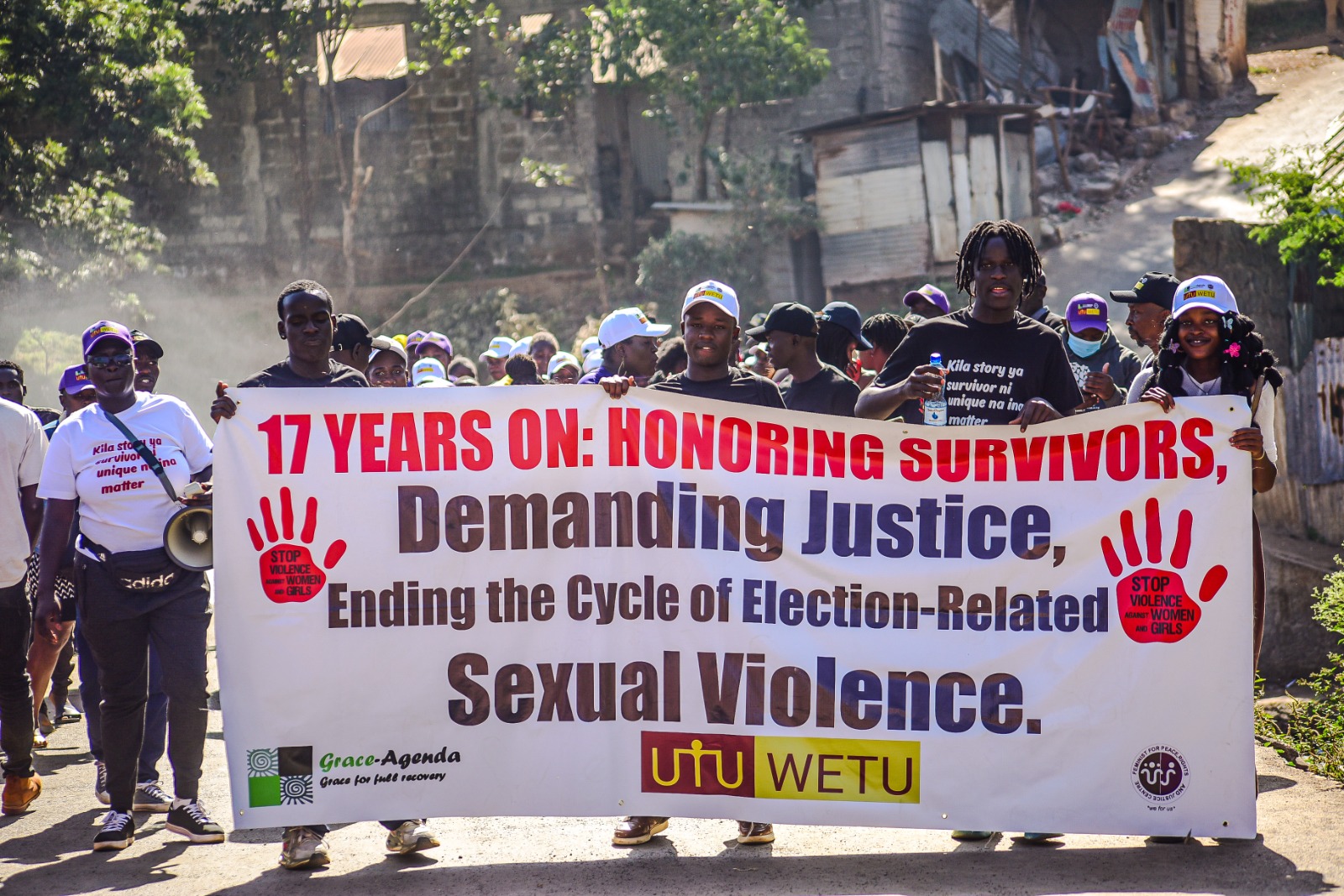
Speaking on the International Day for the Elimination of Conflict-Related Sexual Violence, Alai said Kenya had documented thousands of cases of sexual violence linked to electoral violence, political violence and protests, and called for greater support, accountability and redress for survivors.
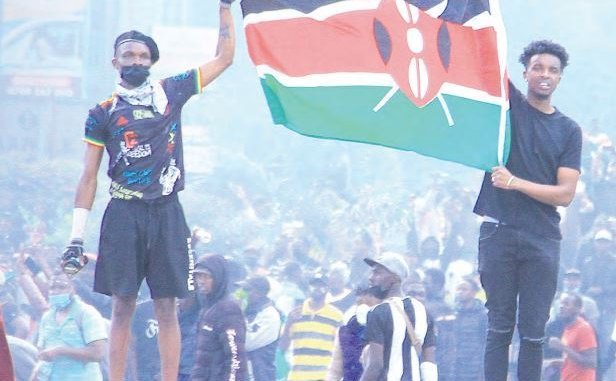
Her remarks come days after the Kenya National Commission on Human Rights submitted a report and reparations framework to President William Ruto following directives to establish a compensation mechanism for victims of protest-related violations between 2017 and 2025.
She said the day serves to honour victims and survivors of conflict-related sexual violence, raise awareness about the need to end such violations, and assess measures aimed at prevention and response.
Alai described conflict-related sexual violence as including offences such as rape, forced pregnancy and sexual slavery committed in connection with armed conflict, widespread attacks against civilians, or actions targeting specific ethnic, racial, religious or identity-based groups.
“And so, today, we join the rest of the world in honouring the thousands of victims here in Kenya, majority of whom are women and girls, but also including men and boys who have suffered various forms of sexual violence in the context of political and electoral-related violence in Kenya,” Alai said.
According to Alai, the KNCHR framework documents cases of sexual violence linked to protests and proposes measures including compensation, rehabilitation, public apologies, accountability mechanisms and guarantees against future violations.
She said the framework presents an opportunity for victims who have been seeking relief but stressed that several issues must be addressed to ensure survivors of conflict-related sexual violence benefit from the process.
“The first that is most important is to ensure that the process will be victim-centered,” she said.
Alai said victims and survivors should be consulted on the forms of assistance most suitable to their needs, including compensation, healthcare, psychosocial support and educational assistance for affected families.
She also urged the government to extend attention beyond recent protest-related violations and address the needs of victims documented in the Truth, Justice and Reconciliation Commission report released in 2013.
“This is a critical moment when the government should also not only look at the plight and the needs of victims of the recent spates of violence, but also initiate processes, provide resources, and commit itself to implementing the reparation framework that has been set out in the TGRC report,” she said.
Alai further cautioned against closing the registration process for compensation beneficiaries too quickly, noting that the KNCHR prepared its framework under limited timelines and that stigma surrounding sexual violence may have prevented some survivors from coming forward.
“It would be important not to close the registration list that has been provided to the compensation panel,” she said.
She called for collaboration with survivors’ groups, civil society organisations, faith-based organisations and community groups to ensure survivors can seek support in safe and confidential conditions.
Beyond compensation, Alai said the country must invest in healthcare, rehabilitation and psychosocial support services for survivors and their families.
She also raised concerns about what she described as longstanding delays in accountability processes for conflict-related sexual violence cases, saying many victims had yet to see their cases fully heard.
“And so very critically, I think it's important to look beyond the reparation framework that's been set out and to really seek that the state, urge the state, urge the duty-bearers to pay equal attention to resourcing, effective investigations and accountability for conflict-related sexual violence that has occurred in the country,” she said.
Alai said underlying factors such as gender-based discrimination continue to contribute to sexual and gender-based violence and should be addressed as part of efforts to prevent future violations.
She called for sustained public awareness campaigns and programmes involving both state and non-state actors to address discrimination, stereotypes and other factors that contribute to sexual and gender-based violence.
With future elections approaching, Alai urged stakeholders to strengthen prevention measures, saying election periods have historically heightened the risk of sexual violence in vulnerable communities.
She called for stronger early warning systems, reporting mechanisms, healthcare services, investigations and accountability structures to improve responses to sexual violence during periods of unrest.
Alai urged the government to ensure survivors receive effective remedies, pursue accountability for those responsible for violations and implement measures aimed at preventing future cases of conflict-related sexual violence.



![[PHOTOS] Uhuru graces commissioning mass of Catholic Women](https://cdn.radioafrica.digital/image/2026/06/0bbd7e96-f180-4e02-966f-97c3fb201478.jpg)